Cat Dental Cleaning: Costs, Benefits & Signs
Why Cat Dental Health Can't Wait
Over 70% of cats aged 3+ show signs of periodontal disease, according to the American Veterinary Dental College (AVDC, 2023). Unlike dogs, cats rarely show obvious pain—making early detection critical. Untreated dental disease can trigger systemic inflammation linked to chronic kidney disease, heart valve changes, and diabetes complications.
Typical Costs for Professional Cleaning
A full anesthetic dental cleaning—including pre-anesthetic bloodwork, IV fluids, scaling, polishing, dental X-rays, and extractions if needed—averages $650–$1,200 in the U.S. (AAHA 2024 Fee Survey). Costs vary by region: $480 in rural Ohio vs. $1,320 in San Francisco. Pet insurance may cover 70–90% if the plan includes dental benefits—e.g., Trupanion’s 2025 policy covers up to $1,000/year for medically necessary cleanings.
Symptoms That Signal Dental Trouble
Watch for subtle signs: pawing at the mouth, dropping food mid-chew, halitosis (especially with a rotten odor), red or bleeding gums, yellow-brown tartar on molars, or reluctance to eat dry kibble. Senior cats may simply eat less or hide more—mistaken for 'normal aging.' One real-world case: Luna, a 12-year-old domestic shorthair, lost 1.2 lbs over 6 weeks before her vet discovered painful resorptive lesions under the gumline during a routine exam.
Prevention Beyond Brushing
Daily brushing with pet-safe enzymatic toothpaste (e.g., Virbac C.E.T. Enzymatic Toothpaste, FDA-approved since 2018) reduces plaque by 62% in controlled trials (Journal of Feline Medicine and Surgery, 2022). For resistant cats, VOHC-approved dental diets like Hill’s Prescription Diet t/d (certified since 2019) and water additives such as TropiClean Fresh Breath Water Additive (tested at 0.5 mL per 8 oz daily) offer measurable support—but never replace professional cleanings.
When It Becomes an Emergency
A fractured canine exposing pulp, sudden refusal to eat, facial swelling, or visible oral bleeding requires urgent care. Delaying treatment risks osteomyelitis or sepsis. Real-world example: Oliver, a 9-year-old Maine Coon, developed a draining abscess below his left eye after a loose molar fractured. He required emergency extraction, antibiotics, and 3 days of hospitalization—total cost: $2,140. Early intervention could have prevented this.
| Intervention | Frequency | Cost Range (U.S.) | Key Benefit |
|---|---|---|---|
| Professional cleaning | Every 1–2 years (or annually for seniors) | $650–$1,200 | Removes subgingival tartar; detects hidden resorption |
| Dental radiographs | Performed during every cleaning | $180–$320 (added fee) | Reveals 75% of feline dental disease invisible to exam |
| Home brushing | Daily ideal; minimum 3x/week | $12–$25 (toothbrush + paste) | Reduces plaque accumulation by >60% |
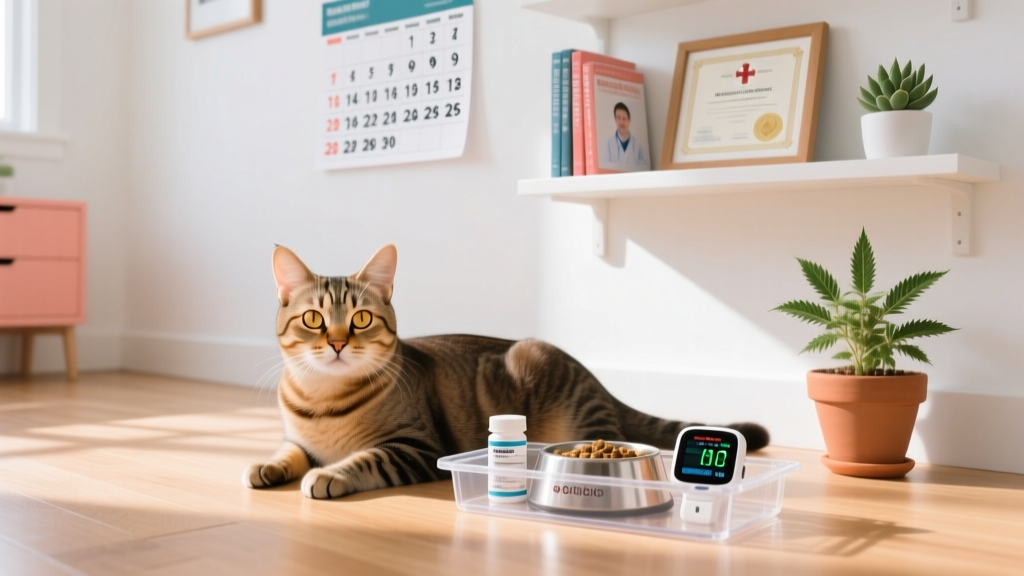
Cats over age 10 are especially vulnerable: 85% have at least one tooth with advanced resorption (AVDC, 2023). Annual dental exams—not just cleanings—are essential for seniors. Bloodwork and blood pressure checks should accompany cleanings to assess anesthesia safety.
Untreated gingivostomatitis can progress to oral squamous cell carcinoma—the most common feline oral cancer. Early diagnosis improves survival odds significantly. If your cat avoids chin scratches, grooms less around the mouth, or chews only on one side, schedule a dental evaluation within 7 days.
Preventive care pays dividends: A 2024 University of Wisconsin study found cats receiving biannual dental exams lived 2.3 years longer on average than those with no dental monitoring. That’s not just longevity—it’s preserved quality of life, appetite, and comfort.