Cat Lymphoma: Most Common Feline Cancer Type
1. Introduction: Why Cat Lymphoma Matters to Cat Owners
Hearing the word “cancer” connected to your cat is frightening, and it can also feel confusing—especially when your cat’s symptoms look like everyday issues such as picky eating, vomiting, or weight loss. Lymphoma is the most common cancer diagnosed in cats, and it can affect cats of many ages and lifestyles.
The good news is that lymphoma is often treatable, and many cats feel better quickly once therapy begins. When owners recognize early warning signs and seek veterinary care promptly, it can make a real difference in comfort, treatment options, and overall quality of life.
2. Overview: What Is Feline Lymphoma?
Lymphoma is a cancer of lymphocytes, a type of white blood cell. Lymphocytes are part of the immune system and travel throughout the body in lymph nodes, the spleen, bone marrow, and other tissues. Because lymphocytes can be found almost anywhere, lymphoma can develop in many different organs.
How lymphoma behaves: Cancerous lymphocytes multiply and can form tumors or cause widespread infiltration in organs. This disrupts normal organ function—such as digestion in the intestines or breathing in the chest.
Common forms (by location):
- Gastrointestinal (GI) lymphoma: Affects the stomach and/or intestines; the most common form today.
- Mediastinal lymphoma: Occurs in the chest (often near the thymus and lymph nodes); can cause breathing issues.
- Multicentric lymphoma: Affects multiple lymph nodes and organs throughout the body.
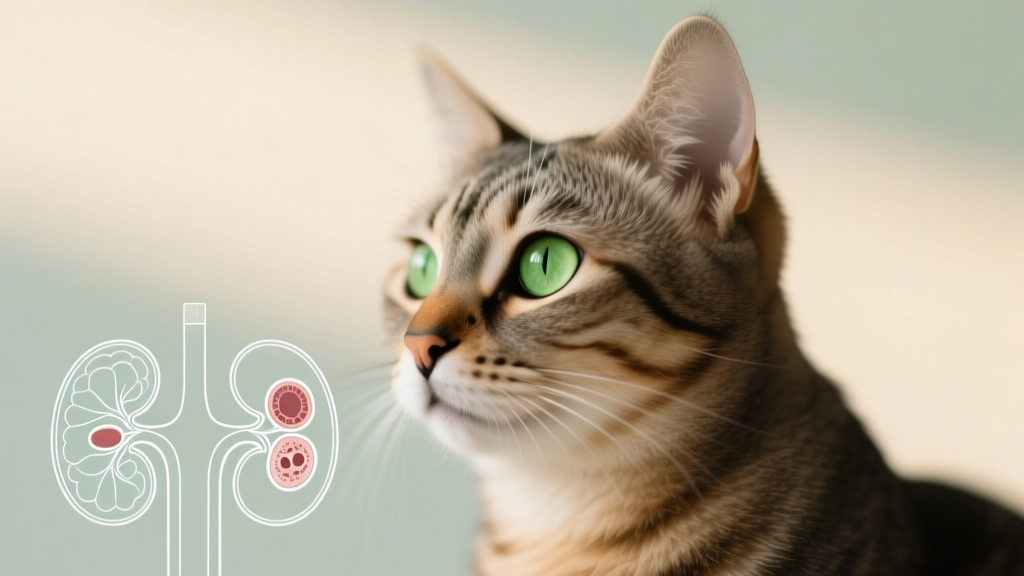
- Renal lymphoma: Involves the kidneys; can affect kidney function and sometimes spreads to the nervous system.
- Nasal lymphoma: Can mimic chronic upper respiratory disease with persistent nasal symptoms.
- Cutaneous (skin) lymphoma: Less common; may appear as lumps, plaques, or persistent skin inflammation.
High-grade vs. low-grade lymphoma: Veterinarians often describe lymphoma as high-grade (fast-growing, more aggressive) or low-grade (slow-growing, more subtle). This distinction helps guide treatment and expectations.
3. Symptoms and Warning Signs to Watch For
Lymphoma symptoms depend on where the cancer is located. Many signs are nonspecific, meaning they can also happen with infections, inflammatory conditions, or other chronic diseases. That’s why veterinary evaluation is so valuable—especially if changes persist longer than a week or two.
General warning signs:
- Weight loss (even with normal appetite)
- Reduced appetite or picky eating
- Lethargy, hiding more, sleeping much more than usual
- Decreased grooming or a dull coat
- Fever that comes and goes
GI lymphoma symptoms:
- Vomiting (especially repeated or worsening)
- Diarrhea or soft stool
- Constipation in some cases
- Loss of appetite or “eats a little, then walks away”
- Abdominal discomfort, bloating, or sensitivity
Mediastinal (chest) lymphoma symptoms:
- Fast or labored breathing
- Open-mouth breathing
- Coughing (less common in cats than in dogs, but possible)
- Reduced energy, reluctance to move
Multicentric lymphoma symptoms:
- Enlarged lymph nodes (often under the jaw, in front of shoulders, behind knees)
- Decreased appetite, weight loss
- General weakness
Nasal lymphoma symptoms:
- Chronic nasal congestion, noisy breathing
- One-sided or persistent nasal discharge
- Frequent sneezing or pawing at the nose
- Nosebleeds
Practical tip you can do today: Keep a simple “symptom diary” for 7–14 days. Track appetite, vomiting/diarrhea, weight (if possible), breathing rate at rest, and energy levels. Bring it to your vet appointment—it helps a lot.
4. Causes and Risk Factors
Lymphoma is complex, and in many cats there is no single identifiable cause. Veterinarians focus on known risk factors and patterns that can increase the likelihood of lymphoma.
Key risk factors include:
- Feline leukemia virus (FeLV): Historically one of the strongest links to lymphoma, especially mediastinal lymphoma in younger cats. FeLV is less common now thanks to testing and vaccination, but it still matters.
- Feline immunodeficiency virus (FIV): FIV affects immune function and may increase cancer risk, including lymphoma.
- Chronic inflammation: Long-term inflammation in tissues may contribute to cancer risk over time. For example, chronic intestinal inflammation has been studied in relation to GI lymphoma.
- Age: Lymphoma can occur at any age, but many cases occur in middle-aged to older cats. FeLV-associated lymphoma may be seen in younger cats.
- Environmental exposures: Research continues in areas such as secondhand smoke exposure and environmental chemicals. While no single factor explains most cases, reducing avoidable exposures is a reasonable precaution.
What owners often ask: “Did I do something wrong?” Almost always, the answer is no. Lymphoma can happen even in well-cared-for cats with excellent diets and indoor lifestyles. The focus now is getting accurate answers and a treatment plan tailored to your cat.
5. Diagnosis: Methods and What to Expect at the Vet
Diagnosing lymphoma takes a step-by-step approach. Your veterinarian will aim to confirm whether lymphoma is present, identify where it is, and determine how advanced it is (often called staging). This guides treatment and prognosis.
Common diagnostic steps:
- Physical exam: Checking weight, hydration, abdominal feel, and lymph node size.
- Bloodwork: Complete blood count (CBC) and chemistry panel evaluate anemia, infection/inflammation indicators, liver/kidney values, and overall health.
- FeLV/FIV testing: Often recommended for cats with suspected lymphoma, especially if status is unknown.
- Urinalysis: Helps assess kidney function and hydration, and supports safe treatment planning.
- Imaging:
- X-rays: Helpful for chest masses, fluid, or enlarged lymph nodes.
- Ultrasound: Very useful for GI lymphoma, abdominal lymph nodes, liver, spleen, and kidneys.
- CT scan: Sometimes recommended for nasal disease or complex cases to guide biopsies and radiation planning.
Sampling the tissue (often the deciding step):
- Fine-needle aspirate (FNA): A small needle collects cells from a lymph node or mass. This is minimally invasive and can sometimes provide quick answers.
- Biopsy: A larger tissue sample is taken endoscopically or surgically. Biopsy is often needed to distinguish lymphoma from inflammatory disease, especially in the intestines.
- Specialized tests: Your vet may recommend cytology review by a pathologist, histopathology, immunohistochemistry, or PCR for antigen receptor rearrangements (PARR) to help classify lymphoma type.
What this means for you: It’s normal for diagnosis to take multiple visits and tests. If finances are a concern, tell your veterinarian early. Many clinics can prioritize the most informative tests first.
6. Treatment Options (Medical, Surgical, Home Care)
Treatment depends on lymphoma location, grade, and your cat’s overall health. Many cats tolerate treatment better than people expect. The main goal is often good quality of life, with the longest comfortable time possible.
Medical treatment
- Chemotherapy: The most common treatment for many lymphoma types. Cats often handle chemo with fewer side effects than humans because veterinary oncology aims for quality of life, not maximum tolerated doses.
- High-grade lymphoma: Often treated with multi-drug protocols (for example, combinations that may include vincristine, cyclophosphamide, doxorubicin, and prednisone). These are typically given on a schedule over weeks to months.
- Low-grade GI lymphoma: Often managed with oral chemotherapy (commonly chlorambucil) plus a steroid (prednisolone). This can be very manageable for many families.
- Steroids (prednisolone): Can reduce inflammation and shrink lymphoma temporarily. Steroids can improve comfort quickly, but starting steroids before sampling can sometimes make diagnosis harder. Ask your vet when steroids are appropriate.
- Supportive medications: Antinausea meds (like maropitant or ondansetron), appetite support, B12 (cobalamin) for GI disease, probiotics (vet-recommended), and pain control if needed.
Surgical treatment
- Surgery is not usually a cure for lymphoma, because lymphoma often involves microscopic spread. Surgery may be recommended when:
- There is an intestinal blockage or a single mass that must be removed
- A biopsy is needed and other sampling methods are not adequate
Radiation therapy
- Radiation can be very effective for certain localized forms, especially nasal lymphoma. Your veterinarian may refer you to a veterinary oncologist or specialty center.
Home care and day-to-day support
- Nutrition: Offer highly palatable, digestible food. Warm food slightly to enhance aroma. Avoid abrupt diet changes unless your vet recommends a specific diet.
- Hydration: Encourage water intake with fountains, multiple bowls, and wet food. Ask your vet if subcutaneous fluids are helpful for your cat.
- Stress reduction: Keep routines consistent, provide quiet resting areas, and ensure easy access to litter boxes and food/water (especially for weak cats).
- Medication routine: Use a written schedule. Ask about compounded liquids or smaller tablets if pilling is difficult.
- Monitor at home: Track weight weekly, appetite daily, vomiting/diarrhea episodes, and energy levels.
Always consult a veterinarian: Home care supports treatment, but lymphoma requires professional diagnosis and medical guidance. Never start leftover medications (especially steroids) without your vet’s direction.
7. Prevention Strategies and Early Detection Tips
Not all lymphoma cases are preventable, but there are meaningful steps that reduce risk and increase the chances of catching illness early.
Prevention and risk reduction:
- FeLV prevention: Test new cats, keep cats indoors when possible, and discuss FeLV vaccination with your veterinarian—especially for kittens and any cat that may be exposed to other cats.
- FIV risk reduction: Reduce fighting and roaming. Neuter/spay to decrease roaming and aggression. Test cats with unknown status.
- Avoid secondhand smoke exposure: If anyone in the home smokes, keep smoke outside and away from the cat’s living space. Reducing exposure benefits overall respiratory and cancer risk health.
- Regular wellness care: Annual exams for adult cats and twice-yearly exams for seniors can catch weight loss, enlarged lymph nodes, and subtle changes earlier.
Early detection tips you can start today:
- Weigh your cat monthly (weekly for seniors or cats with chronic conditions)
- Pay attention to “small” changes: slightly reduced appetite, more hiding, or mild vomiting that becomes more frequent
- Learn what normal breathing looks like at rest; a relaxed cat should breathe comfortably without effort
- Schedule a vet visit if vomiting or diarrhea persists beyond 24–48 hours, or sooner if your cat seems weak or dehydrated
8. Prognosis and Quality of Life Considerations
Prognosis varies widely. The lymphoma type (location and grade), FeLV/FIV status, how advanced it is at diagnosis, and response to treatment all matter.
What many owners want to know: “Will my cat suffer?” The goal of lymphoma treatment in cats is comfort and normal daily living—eating, resting, seeking affection, using the litter box comfortably. Many cats on appropriate therapy return to “themselves” and enjoy good days for months, and sometimes longer.
Quality-of-life checklist (at home):
- Is your cat eating enough to maintain weight or at least not losing rapidly?
- Is nausea/vomiting controlled?
- Is breathing easy and quiet at rest?
- Is your cat interacting, purring, grooming, or choosing favorite spots?
- Is pain well controlled (no hunched posture, hiding due to discomfort, or vocalizing)?
Work with your veterinarian: Many clinics use quality-of-life scales and can help you decide when to adjust medications, try a different therapy, or focus on comfort care.
9. When to Seek Emergency Veterinary Care
Some lymphoma complications can become urgent quickly. Contact an emergency veterinarian right away if you notice:
- Difficulty breathing: open-mouth breathing, extended neck, pronounced chest/abdominal effort, or blue/pale gums
- Severe lethargy or collapse
- Inability to keep down water or repeated vomiting that leads to weakness
- Signs of dehydration: very tacky gums, sunken eyes, profound weakness
- Sudden hind-end weakness or walking abnormally (especially if renal or neurologic involvement is possible)
- No urination or straining in the litter box (this can be life-threatening and may be unrelated to lymphoma but still urgent)
- Uncontrolled bleeding (including persistent nosebleeds)
10. FAQ: Common Questions About Cat Lymphoma
Is lymphoma contagious to other cats or people?
Lymphoma itself is not contagious. However, viruses associated with higher lymphoma risk—especially FeLV—can be transmitted between cats. If your cat is diagnosed with lymphoma, ask your vet whether FeLV/FIV testing is recommended and how to protect other cats in the household.
Does my cat have to see a veterinary oncologist?
Not always. Many general practice veterinarians can manage certain lymphoma cases, especially low-grade GI lymphoma. A veterinary oncologist can be very helpful for complex cases, high-grade lymphoma, radiation therapy planning, or if you want the widest range of protocol options.
Will chemotherapy make my cat very sick?
Many cats tolerate chemotherapy surprisingly well. Side effects can happen—such as reduced appetite, vomiting/diarrhea, or low white blood cell counts—but veterinarians choose doses and schedules designed to keep cats feeling good. Your vet will also give you warning signs to watch for at home.
How is GI lymphoma different from inflammatory bowel disease (IBD)?
They can look very similar because both can cause vomiting, diarrhea, and weight loss. Ultrasound findings may overlap, and sometimes biopsy is needed to tell them apart. The treatment approach can differ, so getting the most accurate diagnosis you can afford is worthwhile.
Should I change my cat’s diet if lymphoma is suspected or confirmed?
Diet changes should be guided by your veterinarian. In general, the best diet is one your cat will reliably eat and digest well. For GI lymphoma, your vet may recommend a highly digestible diet, novel protein, hydrolyzed diet, or added B12 support depending on your cat’s needs.
What can I do right now while waiting for the appointment?
- Write down symptoms, frequency, and when they started
- Weigh your cat (even a rough weight can help)
- Bring photos or videos of concerning signs (breathing effort, vomiting episodes, stool changes)
- Do not start leftover medications without veterinary advice—especially steroids
- If breathing seems abnormal, don’t wait—seek emergency care
If you’re worried your cat may have lymphoma—or any ongoing symptoms like weight loss, vomiting, diarrhea, or breathing changes—schedule a veterinary visit. A clear diagnosis and a thoughtful plan can make this feel far more manageable, and many cats respond well to treatment and supportive care.
For more cat health resources, symptom guides, and caring support for every life stage, visit catloversbase.com.