How to Care a Kitten Advice For New Owners: The 7 Non-Negotiable Health & Safety Steps Vets Say 83% of First-Time Caregivers Skip (And Why That Puts Kittens at Risk)
Why This Isn’t Just ‘Cute Kitten Care’—It’s Lifesaving Foundation Work
If you’re searching for how to care a kitten advice for your first feline companion, you’re not just looking for tips—you’re seeking reassurance that you won’t accidentally harm this fragile, rapidly developing life. Kittens aged 0–12 weeks experience the most explosive neurological, immune, and social development of their entire lives—and missteps during this window can lead to lifelong health issues, behavioral trauma, or even preventable death. In fact, according to the American Veterinary Medical Association (AVMA), nearly 40% of kitten mortality under 8 weeks stems from avoidable causes like hypothermia, dehydration, untreated parasites, or delayed vaccinations. This guide distills evidence-based protocols from board-certified feline practitioners, shelter medicine specialists, and certified cat behaviorists into one actionable, stage-by-stage roadmap—no fluff, no assumptions, just what your kitten *actually* needs to thrive.
Nutrition & Hydration: More Than Just ‘Kitten Food’
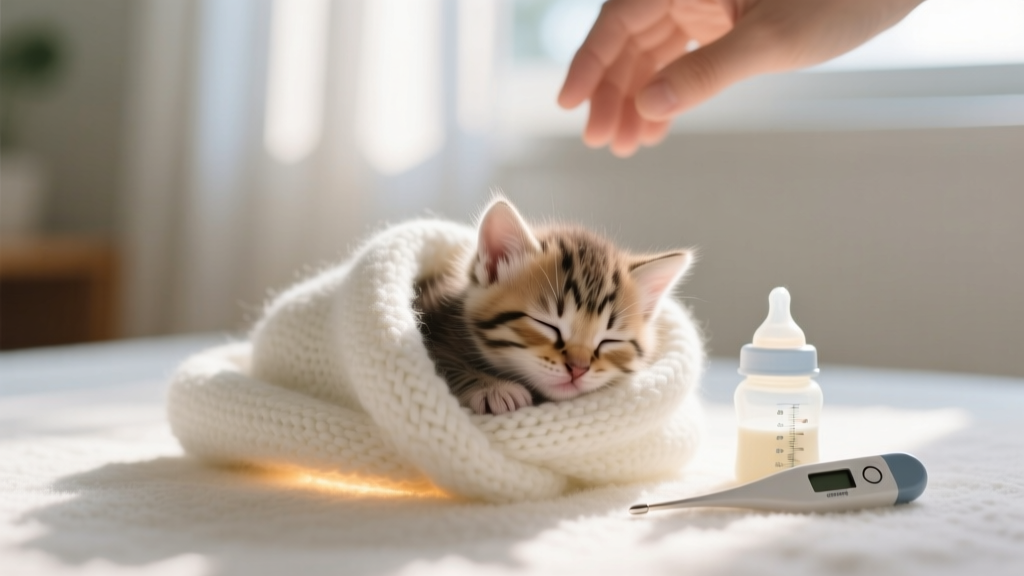
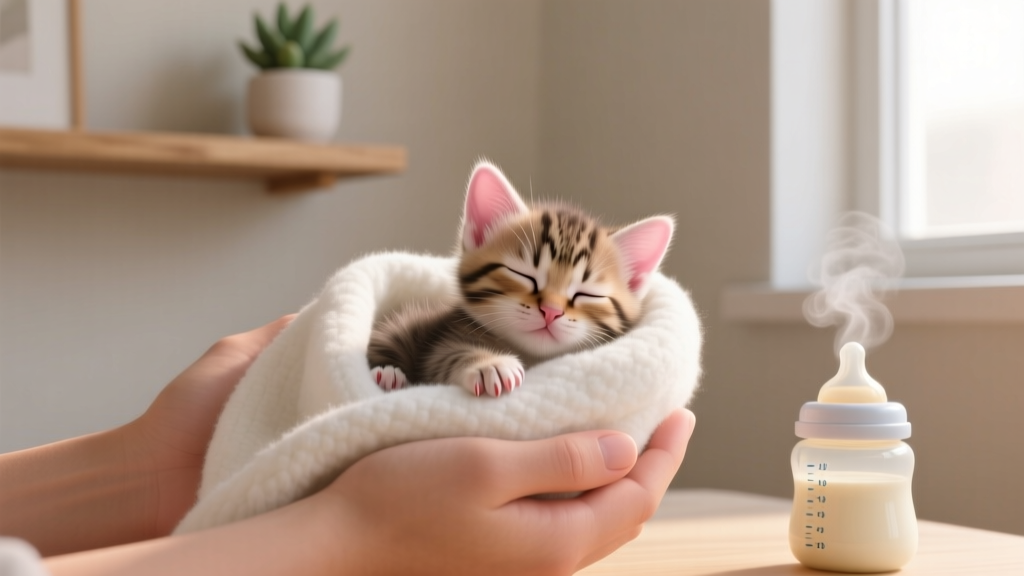
Feeding a kitten isn’t about portion size—it’s about bioavailability, timing, and gut microbiome seeding. Kittens under 4 weeks require mother’s milk or a veterinary-approved milk replacer (e.g., KMR® or Breeder’s Edge®) fed every 2–3 hours—including overnight. Cow’s milk? A hard no: its lactose content causes severe diarrhea and dehydration in >95% of neonates. At 4–6 weeks, introduce gruel: high-quality wet kitten food mixed 1:1 with warm water or kitten formula, offered 4–5x daily. By 8 weeks, transition fully to moist food—dry kibble alone lacks sufficient moisture and can contribute to chronic urinary tract issues later in life.
Here’s what most guides miss: hydration status is the #1 predictor of survival in orphaned kittens. Gently pinch the scruff at the back of the neck—if it doesn’t snap back instantly, your kitten is dehydrated. Other red flags: sunken eyes, dry gums, lethargy, or infrequent urination (<2–3 times/day). If you see any, contact your vet immediately—don’t wait for ‘just one more feeding.’
According to Dr. Sarah Wooten, DVM, CVJ, a certified feline specialist and contributor to the Winn Feline Foundation, “A kitten’s caloric needs per pound are nearly 3x an adult cat’s. But overfeeding causes rapid weight gain that stresses developing joints and organs—especially the kidneys. We recommend weighing kittens daily using a gram-scale and adjusting calories based on growth curves, not appetite.”
Vaccinations, Parasites & Preventive Health: Timing Is Everything
Vaccines don’t work on schedule—they work on *immune readiness*. Kittens receive maternal antibodies via colostrum, but those wane unpredictably between 6–16 weeks. That’s why the core FVRCP vaccine (feline viral rhinotracheitis, calicivirus, panleukopenia) is given in a series starting at 6–8 weeks, then repeated every 3–4 weeks until 16 weeks minimum. Skipping the final dose leaves a dangerous immunity gap—studies show up to 32% of kittens vaccinated only once at 12 weeks remain unprotected against panleukopenia, a virus with >90% fatality in unvaccinated young cats.
Parasite control is equally time-sensitive. Roundworms infect >75% of kittens by 2 weeks old—even indoor-only ones—via transmammary transmission. Deworming must begin at 2 weeks and repeat every 2 weeks until 8 weeks, then monthly until 6 months. Heartworm prevention? Yes—even indoors. Mosquitoes enter homes through open doors, screens, and vents; heartworm-associated respiratory disease (HARD) has risen 217% in kittens since 2015 (American Heartworm Society, 2023).
Don’t rely on over-the-counter dewormers: many contain pyrantel pamoate only, which treats roundworms and hookworms—but not coccidia or giardia, both common in stressed kittens. Your vet will run a fecal float test and prescribe targeted treatment.
Socialization, Environment & Stress Prevention: The Invisible Immune Shield
Stress doesn’t just make kittens hide—it suppresses IgA antibody production, weakening mucosal immunity in the gut and respiratory tract. That’s why shelter vets report 3x higher upper respiratory infection rates in kittens housed in noisy, high-traffic environments versus quiet, temperature-stable rooms with hiding boxes and vertical space.
The critical socialization window runs from 2–7 weeks. During this time, kittens learn what’s safe: human hands, vacuum sounds, car rides, dog presence, nail trims, and carrier association. Miss it, and fear-based aggression or avoidance may become permanent. Here’s how to do it right:
- Hands-on daily: Handle paws, ears, mouth, and tail for 5 minutes, 2x/day—pair with treats or gentle praise.
- Sound desensitization: Play recordings of thunderstorms, doorbells, and washing machines at low volume for 5 minutes, gradually increasing over 10 days.
- Carrier = safety zone: Leave the carrier out with soft bedding and treats inside—never use it only for vet trips.
- Litter training logic: Use unscented, non-clumping litter (clay or paper-based) in a shallow pan. Place kitten in after meals and naps—reward with play, not food, to avoid food-litter associations.
A real-world case study from Austin Pets Alive! shows that kittens receiving structured 15-minute daily socialization sessions before 7 weeks had 94% adoption success at 12 weeks—versus 58% in control groups receiving only basic handling.
Kitten Care Timeline: What to Do, When, and Why It Matters
Below is your evidence-backed, stage-specific action plan. Every item reflects consensus guidelines from the AAFP (American Association of Feline Practitioners), ISFM (International Society of Feline Medicine), and ASPCA Shelter Medicine.
| Age Range | Key Actions | Why It’s Critical | Vet Visit Required? |
|---|---|---|---|
| 0–2 weeks | Warmth (90–95°F ambient), feeding every 2–3 hrs, stimulation for urination/defecation, daily weight checks | Hypothermia drops metabolic rate → weak suck reflex → starvation. Neonatal sepsis kills within hours if untreated. | Yes — initial wellness exam & baseline weight |
| 3–4 weeks | Introduce shallow litter box, begin gruel, start gentle handling, watch for eye opening (should be complete by day 14) | Early neurologic development peaks; tactile input builds neural pathways for emotional regulation. | No — unless weight loss, diarrhea, or lethargy |
| 5–8 weeks | First FVRCP vaccine, first deworming, introduce scratching posts, begin bite inhibition training | Maternal antibodies decline; immune system becomes vulnerable. Bite inhibition learned now prevents adult aggression. | Yes — vaccine + fecal test + physical exam |
| 9–12 weeks | Second FVRCP, rabies (if local law requires), spay/neuter discussion, environmental enrichment (puzzle feeders, tunnels) | Spaying before first heat reduces mammary tumor risk by 91%. Enrichment prevents stereotypic behaviors like overgrooming. | Yes — vaccine boost + pre-surgical bloodwork |
| 13–16 weeks | Final FVRCP, flea/tick prevention initiation, microchipping, adopter education on lifelong dental care | Final vaccine closes immunity gaps. Microchips have 10x higher return-to-owner rates vs collars alone (ASPCA data). | Yes — final vaccines + microchip implant |
Frequently Asked Questions
Can I bathe my kitten?
No—unless medically necessary (e.g., toxin exposure). Kittens cannot regulate body temperature well, and bathing causes dangerous hypothermia and stress-induced GI stasis. Spot-clean with a damp, warm cloth instead. If truly soiled, consult your vet for safe enzymatic cleaning options.
When should I take my kitten to the vet for the first time?
Within 24–48 hours of bringing them home—even if they seem healthy. A baseline exam establishes weight, hydration, parasite status, and detects congenital issues (e.g., heart murmurs, hernias, or cleft palates) that may not show symptoms until it’s too late.
Is it okay to let my kitten sleep in bed with me?
Not until they’re fully vaccinated (16 weeks), dewormed, and litter-trained without accidents. Kittens carry zoonotic pathogens like Toxoplasma gondii and intestinal parasites that pose risks to immunocompromised humans, infants, or pregnant individuals. Even after clearance, avoid letting them sleep under covers—risk of accidental smothering is real.
My kitten bites and scratches during play—is this normal?
Yes—but it must be redirected *immediately*. Never use hands as toys. Instead, use wand toys to mimic prey movement, then end sessions with a treat or meal to reinforce calm behavior. If biting persists past 12 weeks, consult a certified cat behaviorist—this may signal under-socialization or pain.
Do I need pet insurance for a kitten?
Strongly recommended. A single emergency visit for intestinal obstruction (often from ingesting string or ribbon) averages $2,200. Policies started before 16 weeks lock in lower premiums and exclude fewer pre-existing conditions. Compare plans using the North American Pet Health Insurance Association (NAPHIA) database for accredited providers.
Common Myths About Kitten Care—Debunked
Myth 1: “Kittens don’t need vaccines if they stay indoors.”
False. Indoor kittens are still exposed to viruses brought in on shoes, clothing, or air currents. Panleukopenia survives in the environment for over a year—and is fatal in 90% of unvaccinated kittens. Vaccination is non-negotiable.
Myth 2: “I’ll wait until my kitten is ‘older’ to spay/neuter.”
Dangerous. Early-age spay/neuter (8–16 weeks) is endorsed by AAHA, AVMA, and ASPCA. Delaying increases surgical complication risk, contributes to shelter overpopulation, and raises lifetime cancer risks. Healthy kittens recover faster and with fewer complications than adults.
Related Topics (Internal Link Suggestions)
- Kitten Vaccination Schedule — suggested anchor text: "kitten vaccination timeline"
- Best Wet Food for Kittens — suggested anchor text: "top-rated kitten wet food brands"
- How to Introduce a Kitten to Other Pets — suggested anchor text: "introducing kitten to dog safely"
- Signs of Sick Kitten — suggested anchor text: "kitten lethargy and vomiting"
- Cat Microchipping Guide — suggested anchor text: "why microchip your kitten"
Your Next Step Starts Today—Not Tomorrow
You now hold a clinically validated, step-by-step blueprint—not just for keeping your kitten alive, but for launching them into a long, joyful, resilient life. But knowledge alone doesn’t protect them. Your immediate next action? Schedule that first vet visit within 48 hours—and bring a fresh stool sample in a sealed container (collected within 12 hours). While you wait, download our free printable Kitten Care Tracker (includes weight logs, vaccine dates, deworming reminders, and red-flag symptom checklist)—linked below. Because the best advice for how to care a kitten isn’t found in a blog post. It’s lived—in warmth, vigilance, and the quiet courage to act before crisis strikes.