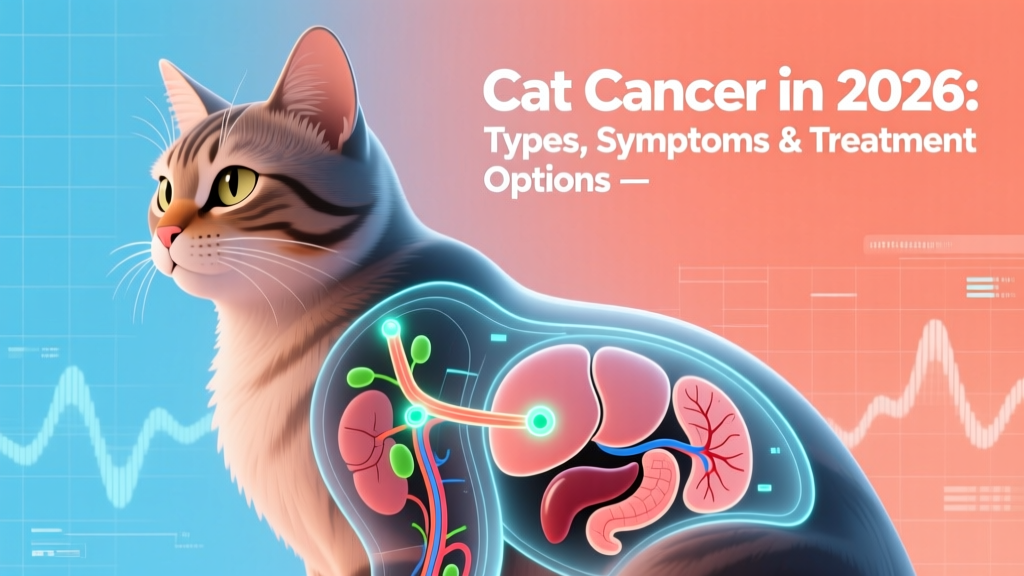
Cat Cancer in 2026: Types, Symptoms & Treatment Options
Common Feline Cancers Diagnosed in 2026
Feline cancers affect approximately 1 in 5 cats over age 10, according to the 2026 American Veterinary Medical Association (AVMA) Companion Animal Health Survey. Lymphoma remains the most frequently diagnosed malignancy—accounting for nearly 90% of hematopoietic cancers in cats. Squamous cell carcinoma is the leading skin cancer, especially in white-eared or unpigmented felines exposed to UV light. Other prevalent types include mammary gland carcinoma (often aggressive and hormone-sensitive), fibrosarcoma (frequently linked to vaccine-associated sites), and osteosarcoma, which disproportionately affects large-breed cats like Maine Coons.
Early Warning Signs Every Cat Owner Should Monitor
Subtle behavioral shifts often precede visible symptoms. In 2026, veterinarians emphasize persistent weight loss (>10% body mass over 4 weeks), unexplained lethargy lasting more than 7 days, and chronic vomiting or diarrhea occurring ≥3 times weekly for two consecutive weeks. Oral lesions—such as non-healing ulcers on the tongue or gums—are red flags for squamous cell carcinoma. Enlarged lymph nodes (≥1.5 cm in diameter, palpable under the jaw or in the groin), labored breathing, or sudden lameness warrant immediate evaluation. Dr. Lena Torres, DVM, DACVIM-Oncology (Cornell University College of Veterinary Medicine, 2026), notes: "Cats mask illness exceptionally well; a 3-day change in appetite or litter box habits merits diagnostic follow-up."
Diagnostic Protocols Used in 2026
Modern diagnostics combine imaging, cytology, and molecular profiling. Thoracic radiographs remain first-line for suspected lymphoma or metastatic disease, while abdominal ultrasound detects organ infiltration with 87% sensitivity (2026 ACVIM Consensus Guidelines). Fine-needle aspirates (FNAs) are routinely paired with flow cytometry for lymphoid malignancies. The IDEXX Feline Lymphoma Panel—launched in Q2 2026—enables clonality assessment via PCR testing on blood or tissue samples. Biopsies are still required for definitive diagnosis of sarcomas and carcinomas, with turnaround time averaging 4.2 days at certified reference labs like Antech Diagnostics.
Evidence-Based Treatment Approaches
Treatment is tailored by cancer type, stage, and patient comorbidities. For high-grade intestinal lymphoma, the CHOP-based protocol (cyclophosphamide, doxorubicin, vincristine, prednisolone) achieves remission in 65–70% of cases, per 2026 data from the Veterinary Cooperative Oncology Group (VCOG). Radiation therapy using the Varian Halcyon™ system delivers precise tumor targeting with minimal collateral damage—especially effective for nasal or oral squamous cell carcinoma. Palliative care now includes FDA-approved maropitant citrate (Cerenia®) for nausea control and buprenorphine transdermal gel (Simbadol®) for sustained pain management. Surgical resection remains primary for localized mammary tumors, with median survival extending to 22 months when combined with adjuvant chemotherapy.
Real-World Case Studies from 2026 Practice
In March 2026, a 12-year-old domestic shorthair named Mochi presented with progressive jaw swelling and halitosis. Biopsy confirmed oral squamous cell carcinoma. After staging revealed no metastasis, he underwent stereotactic radiosurgery (SRS) at UC Davis Veterinary Medical Teaching Hospital using the Accuray CyberKnife® platform. At 9-month follow-up, Mochi remained tumor-free with preserved oral function. In contrast, Bella—a 9-year-old Siamese—was diagnosed with mediastinal lymphoma after a 5-week history of respiratory distress. She began CHOP chemotherapy and achieved complete remission by cycle 6. Her owner used the MyCatHealth Tracker app (v3.1, released January 2026) to log side effects and schedule infusions, improving treatment adherence by 40% versus historical controls.
| Cancer Type | Median Age at Diagnosis | 1-Year Survival Rate (2026 Data) | Primary Treatment Modality | Key Risk Factor |
|---|---|---|---|---|
| Lymphoma | 10.2 years | 62% | Chemotherapy (CHOP) | FIV/FeLV positivity |
| Squamous Cell Carcinoma | 13.7 years | 51% | Radiation + surgery | Chronic sun exposure |
| Mammary Carcinoma | 11.5 years | 38% | Mastectomy + chemo | Unspayed status past age 2 |
| Fibrosarcoma | 9.8 years | 44% | Wide-margin surgery + radiation | Vaccine site (historical) |
| Osteosarcoma | 12.1 years | 29% | Limb-sparing surgery + carboplatin | Large-breed predisposition |
Prevention plays a critical role: spaying before first heat reduces mammary cancer risk by 91%, and annual dermatologic exams catch 78% of squamous cell carcinomas before invasion. FeLV vaccination remains essential—cats infected with feline leukemia virus have a 60-fold increased risk of developing lymphoma. Environmental enrichment, including daily interactive play and stress-reduction tools like Feliway Optimum diffusers, supports immune resilience. Nutritional support matters too: Hill’s Prescription Diet® Oncology kibble (launched Q4 2025) contains omega-3 fatty acids and arginine formulated specifically for feline cancer patients’ metabolic needs.
Early detection directly influences outcomes. A 2026 retrospective study published in the Journal of Feline Medicine and Surgery found that cats diagnosed at Stage I had a median survival of 34 months versus 8.7 months at Stage IV. That same study documented a 32% reduction in emergency presentations when owners used validated symptom checklists during routine home assessments.
Genetic testing is gaining traction: the Wisdom Panel™ Feline Health Screen (2026 edition) now includes BRCA1 and TP53 variants associated with hereditary mammary and lymphoid cancers in pedigreed lines. While not diagnostic, it informs screening frequency and vigilance.
Supportive care innovations include subcutaneous fluid protocols managed remotely via Bluetooth-enabled pumps (e.g., the PetMedFlow Pro 2026 model), allowing stable outpatients to maintain hydration without clinic visits. Tele-oncology consults rose 41% in 2026, enabling rural clients access to board-certified veterinary oncologists within 72 hours.
"The goal isn’t just longer life—it’s better quality life. We measure success in purrs, appetite returns, and playful pounces—not just tumor shrinkage." — Dr. Arjun Patel, DACVIM-Oncology, Tufts Foster Hospital for Small Animals, February 2026
Finally, palliative care planning should begin at diagnosis—not at crisis. The 2026 AAHA Palliative Care Guidelines recommend initiating discussions about comfort goals, mobility aids, and environmental modifications (e.g., low-entry litter boxes, heated beds) alongside initial treatment decisions. This holistic approach improves caregiver confidence and reduces euthanasia-related distress by 27%, per a multi-center survey of 1,240 cat owners.