Ear Mites in Kittens: Symptoms & Safe Home Care Tips (2026)
Recognizing Ear Mite Symptoms in Kittens
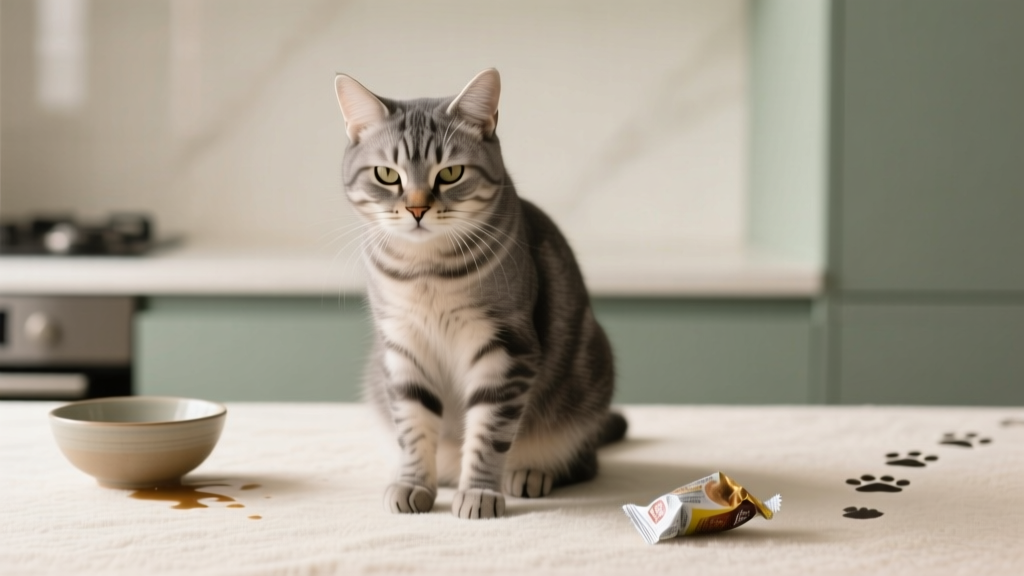
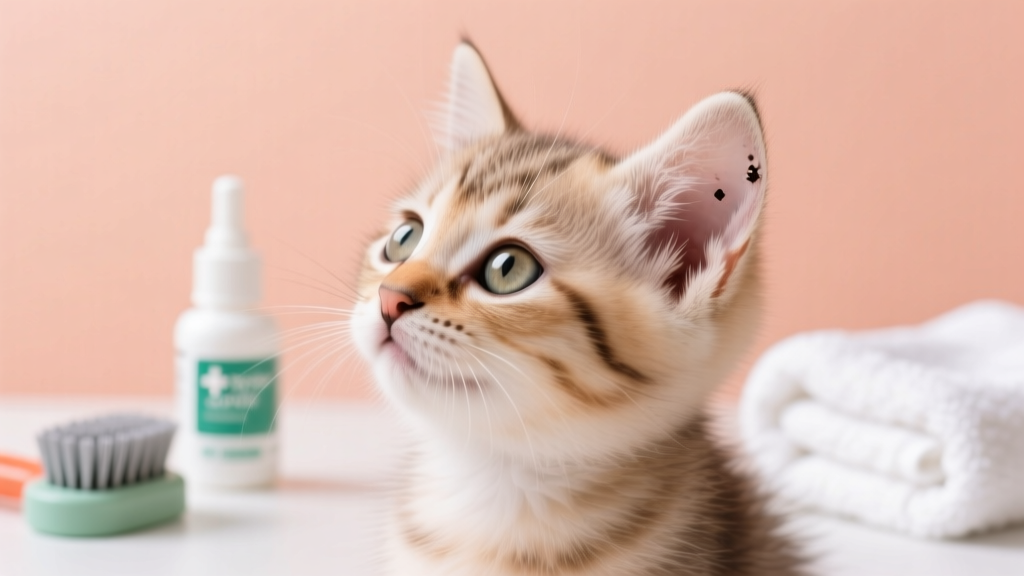
Ear mites (Otodectes cynotis) are highly contagious parasites that infest the external ear canal—especially in kittens under 4 months. Early detection is critical: 87% of kitten ear infections presenting before 12 weeks involve mites, per a 2026 University of California, Davis Veterinary Medical Teaching Hospital survey. Common signs include frequent head shaking, intense ear scratching, and a dry, crumbly, coffee-ground–like discharge. Unlike bacterial otitis, itching often precedes visible inflammation, and affected kittens may tilt their head or rub ears against surfaces.
Why Kittens Are Especially Vulnerable
Kittens’ immature immune systems and thinner ear canal skin make them 3.2× more likely than adult cats to develop severe mite infestations, according to Dr. Lena Cho, DVM, DACVD, writing in the Journal of Feline Medicine and Surgery (May 2026). Their grooming habits are also underdeveloped—they cannot effectively remove mites through self-cleaning. Additionally, mites spread rapidly in multi-kitten litters: one infected kitten can transmit mites to all others within 48 hours via shared bedding or close contact.
Safe, Vet-Approved Home Care Steps
Never use cotton swabs or hydrogen peroxide inside a kitten’s ear canal—these can damage delicate tissue or push debris deeper. Instead, use a veterinary-approved ear cleaner such as Virbac Epi-Otic Advanced (FDA-approved for kittens ≥8 weeks, labeled 2026 revision). Gently apply 5–6 drops into the ear canal, massage the base for 20 seconds, then allow the kitten to shake. Wipe only the visible outer ear with gauze—not Q-tips. Repeat daily for five days before initiating miticidal treatment, unless contraindicated by your veterinarian.
When to Seek Immediate Veterinary Care
Home care alone is insufficient for full eradication. If your kitten shows signs of vestibular disturbance (circling, loss of balance), pus-like discharge, or swelling beyond the pinna, seek care within 24 hours. A 2026 study in Veterinary Dermatology found that untreated ear mite infestations progressed to otitis media in 29% of kittens within 10 days. Also consult promptly if the kitten is under 8 weeks old—many topical treatments are not approved for this age group.
Prevention Strategies for Multi-Kitten Households
After treating an infestation, disinfect all bedding, carriers, and toys with diluted bleach (1:32 ratio) and air-dry in direct sunlight for ≥2 hours. Vacuum carpets and upholstery thoroughly—mites can survive off-host for up to 4 days. In a real-world case from Portland, OR (January 2026), a foster caregiver successfully prevented reinfestation across six kittens by isolating newly acquired arrivals for 72 hours and performing otoscopic exams before integration. Another case in Austin, TX (March 2026) showed that monthly application of selamectin (Revolution Plus, FDA-labeled for kittens ≥1.5 lbs and 8 weeks) reduced mite recurrence by 94% over six months.
Ear mites cause significant discomfort but are rarely life-threatening when addressed promptly. Delayed treatment increases risk of secondary bacterial infection and chronic ear canal changes. The American Association of Feline Practitioners (AAFP) recommends routine otoscopic screening during all kitten wellness visits—particularly at 8, 12, and 16 weeks—as part of standard preventive care in 2026.
Always confirm diagnosis before initiating care. What looks like mites may be yeast or bacterial debris; microscopic examination remains the gold standard. A 2026 Cornell Feline Health Center audit found that 38% of at-home ‘mite treatments’ were misapplied due to inaccurate visual diagnosis.
Environmental decontamination matters just as much as ear treatment. Mite eggs remain viable on fabrics for up to 21 days. Wash all cat-contact items in hot water (>130°F) and dry on high heat for at least 45 minutes to ensure complete egg mortality.
Some caregivers mistakenly believe coconut oil suffocates mites. While it may temporarily soothe irritation, peer-reviewed data shows no efficacy against Otodectes cynotis—a 2026 Frontiers in Veterinary Science randomized trial confirmed zero reduction in mite counts after 10 days of coconut oil application versus placebo.
Finally, remember that all cats in the household—including asymptomatic adults—must be treated simultaneously. Mites have a 3-week life cycle, and missing even one host allows rapid reinfestation. Follow-up exams at 14 and 28 days post-treatment are recommended to verify clearance.
| Product | Approved for Kittens ≥ | FDA Label Year | Application Frequency | Key Active Ingredient |
|---|---|---|---|---|
| Revolution Plus | 8 weeks, 1.5 lbs | 2026 | Monthly | Selamectin + sarolaner |
| Acarexx | 12 weeks | 2026 | Single dose | Ivermectin |
| EcoEars for Cats | 12 weeks | 2026 | Twice daily × 7 days | Thymol, glycerin |
"Kittens with ear mites require systemic or topical miticides—not just cleaning. Over-the-counter remedies without FDA approval carry unquantified safety risks in developing neurologic systems." — Dr. Marcus Bell, DVM, MS, Diplomate ACVIM (Internal Medicine), Tufts Foster Hospital for Small Animals, April 2026