Cat Allergy Symptoms and Treatment Guide
Common Cat Allergy Symptoms
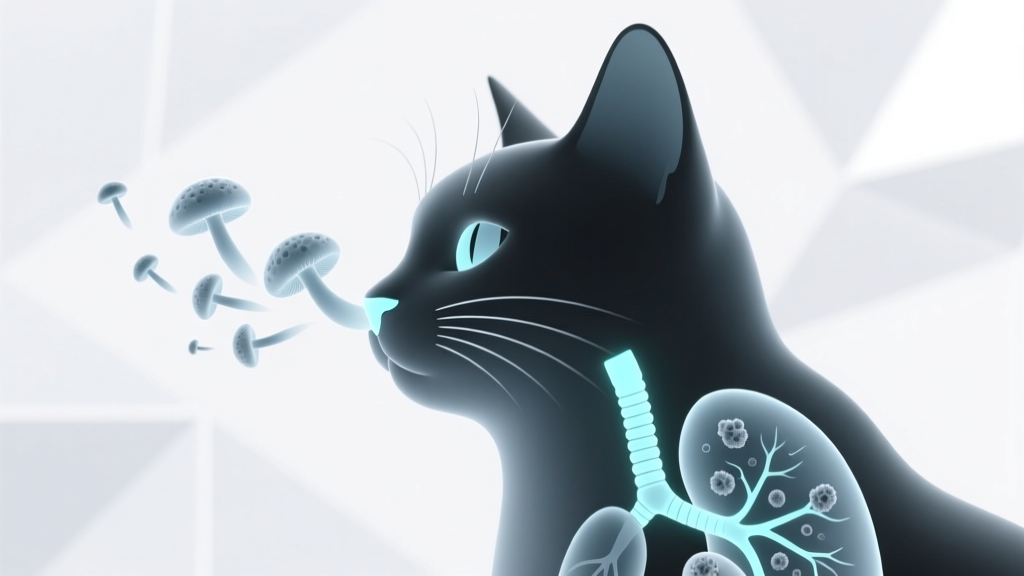
Cats with allergies often display subtle or intermittent signs. Key indicators include excessive scratching (especially around ears, face, and neck), recurrent ear infections, chronic sneezing, watery eyes, and skin lesions like eosinophilic granuloma complex. According to the American College of Veterinary Dermatology (2023), pruritus (itching) is the most frequently reported symptom in allergic dermatitis cases—present in over 85% of diagnosed feline atopy cases.
Identifying Allergen Triggers
Environmental allergens (e.g., pollen, dust mites, mold spores) and food proteins (commonly chicken, beef, or fish) are top culprits. A 2022 study in Journal of Feline Medicine and Surgery found that 37% of cats with food-responsive dermatitis improved within 4 weeks of a strict hydrolyzed protein diet trial using Royal Canin Hypoallergenic HP (launched 2021).
Veterinary Diagnosis Process
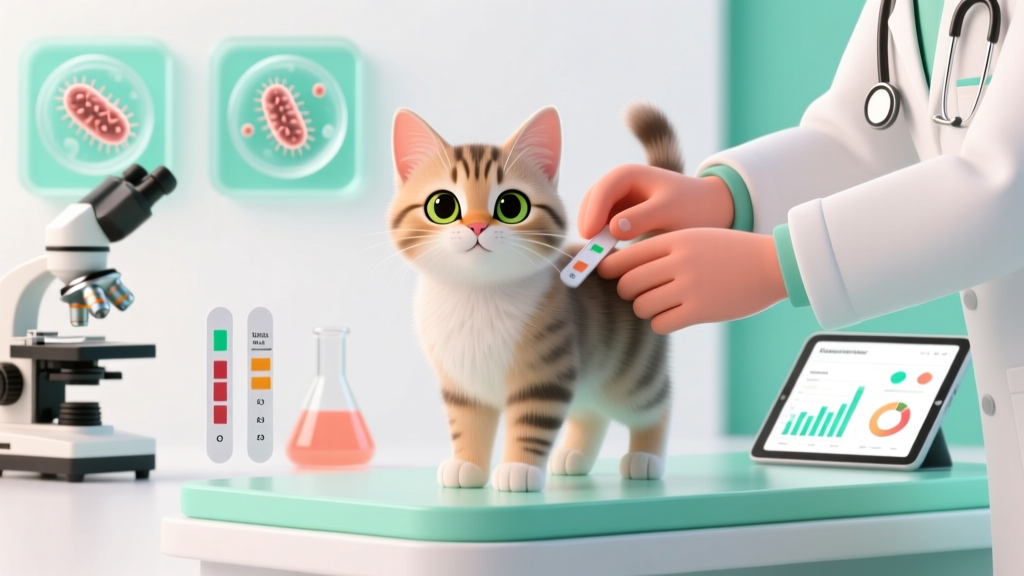
Diagnosis requires ruling out parasites, infections, and autoimmune disease first. Intradermal skin testing remains the gold standard for environmental allergies, while serum IgE testing has lower specificity in cats. Vets typically recommend a minimum 8-week elimination diet trial before confirming food allergy. The Cornell Feline Health Center notes that misdiagnosis occurs in ~30% of cases when owners skip veterinary guidance and self-prescribe diets.
Treatment Options by Age Group
Kittens respond well to topical corticosteroids like triamcinolone acetonide spray (0.015%), but long-term use requires monitoring. Adult cats may benefit from cyclosporine (Atopica®), approved by the FDA in 2016 for feline allergic dermatitis. Senior cats (10+ years) need special caution: a 2024 retrospective review at UC Davis showed 22% developed transient hypertension during oral glucocorticoid therapy, necessitating blood pressure screening before treatment initiation.
Prevention and Emergency Signs
Preventive measures include HEPA air purifiers (e.g., Coway Airmega 250, tested at 99.97% efficiency for 0.3-micron particles), monthly flea control (Bravecto® for cats, FDA-approved 2018), and hypoallergenic bedding washed weekly in fragrance-free detergent. Seek emergency care if your cat exhibits facial swelling, labored breathing, or sudden collapse—these indicate anaphylaxis, which occurs in <0.5% of allergic reactions but carries >20% mortality without immediate epinephrine.
Real-world scenario 1: Luna, a 3-year-old domestic shorthair, developed symmetrical hair loss on her abdomen and chin after moving into a home with new carpeting. Her vet identified dust mite hypersensitivity via intradermal testing and prescribed monthly allergen-specific immunotherapy (ASIT) injections. Within 5 months, lesion recurrence dropped from weekly to once every 8 weeks.
Real-world scenario 2: Oliver, a 12-year-old Siamese, began licking his paws raw and developed ulcerative lip lesions. Bloodwork revealed elevated eosinophils (1.8 × 10⁹/L; normal <0.7). After ruling out dental disease and cancer, his vet initiated low-dose prednisolone (1 mg/kg every other day) and added omega-3 supplementation (Welactin® feline formula, 150 mg EPA/DHA per pump). Paw licking decreased by 70% in 3 weeks.
| Symptom | Common Allergic Cause | Time to Onset Post-Exposure |
|---|---|---|
| Audible wheezing | Household mold spores | 2–6 hours |
| Perianal itching | Flea saliva (even single bite) | Within minutes |
| Vomiting >2x/week | Food protein (chicken, dairy) | Days to weeks |
| Chronic otitis externa | Pollen (seasonal) or dust mites | 2–4 weeks |
| Crusted ear margins | Demodex gatoi (secondary to immune dysregulation) | 4–8 weeks |
Early intervention improves outcomes significantly. A 2023 AVMA survey found that cats receiving diagnosis and treatment within 30 days of first symptom onset had 68% lower risk of secondary bacterial infection than those treated after 90 days. Always consult your veterinarian before starting any over-the-counter antihistamine—diphenhydramine is not reliably effective in cats and can cause agitation or lethargy in up to 40% of individuals.