Feline Brugia: Lymphatic Filarial Infection
1. Why this topic matters to cat owners
Most cat owners think of mosquitoes as a nuisance, not a health threat. But in some regions, mosquitoes can carry tiny паразitic worms that live in the lymphatic system (the body’s “fluid drainage and immune highway”). One of these parasites is Brugia, a type of filarial worm that can infect cats and cause lymphatic filariasis.
Feline Brugia infections are not as commonly discussed as heartworm disease, and that’s part of the problem—cats may go undiagnosed until swelling, skin changes, or chronic discomfort show up. Understanding how this infection happens, what signs to watch for, and how to reduce risk helps you protect your cat’s comfort and long-term health.
2. Overview: what is feline Brugia infection?
Brugia refers to a group of filarial nematodes (worm-like parasites). In certain parts of the world, Brugia species can infect animals and, less commonly, people. In cats, these worms primarily affect the lymphatic vessels and lymph nodes.
Here’s the basic life cycle in plain language:
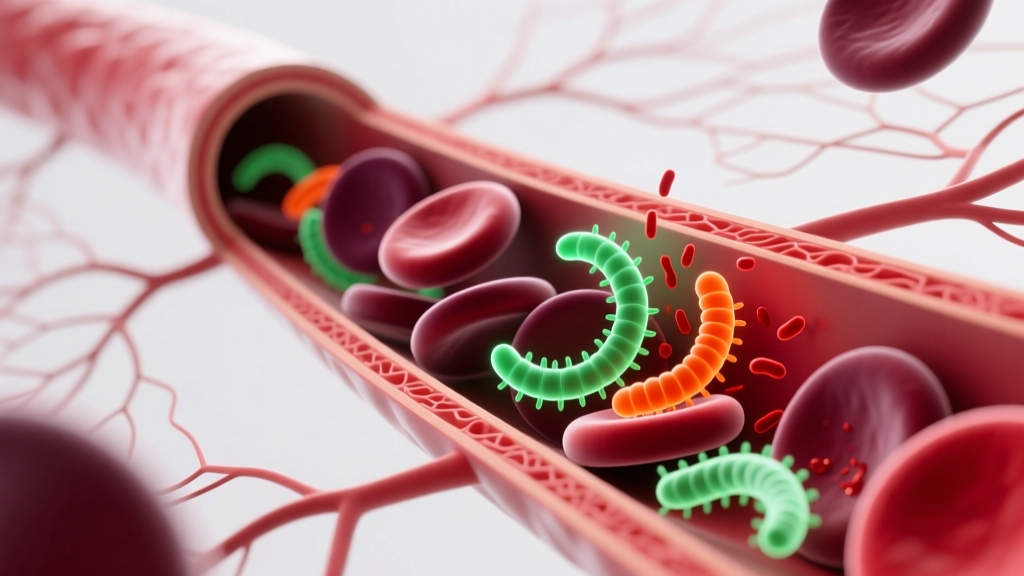
- A mosquito bites an infected animal and picks up microscopic baby worms called microfilariae.
- Inside the mosquito, the microfilariae develop into infectious larvae.
- When that mosquito bites another animal (including a cat), it deposits larvae into the skin.
- Larvae mature into adult worms that live in lymphatic tissues, where they can cause inflammation and blockage.
The lymphatic system normally drains fluid from tissues and helps the body fight infection. When lymph flow is disrupted—because of inflammation, scarring, or blockage—fluid can build up, leading to swelling and secondary skin problems.
Regional note: Brugia infections are more likely in areas where these parasites are established and mosquito exposure is heavy. If you live in or travel to tropical/subtropical regions, or areas where filarial parasites are known, it’s worth discussing parasite prevention with your veterinarian.
3. Symptoms and warning signs to watch for
Some cats carry filarial parasites with few obvious signs, especially early on. When symptoms occur, they often relate to disrupted lymph flow or inflammation.
Possible signs of lymphatic filarial infection in cats include:
- Swelling (edema) of a limb, paw, or other localized area
- Enlarged lymph nodes (you may notice firm “bumps” under the jaw, in front of the shoulders, or behind the knees)
- Skin changes over swollen areas: thickening, irritation, scabs, or recurrent infections
- Non-healing sores or repeated skin inflammation in the same region
- Discomfort or reduced mobility due to limb swelling
- Lethargy or reduced activity
- Reduced appetite (not specific, but can occur with chronic inflammation)
What makes these signs tricky: swelling and skin issues can also be caused by allergies, injuries, abscesses, arthritis, immune disease, cancer, or bacterial infections. That’s why veterinary evaluation matters—treating the wrong condition can delay relief.
4. Causes and risk factors
Feline Brugia infection happens when a cat is bitten by an infected mosquito. Not every mosquito carries filarial parasites, and not every exposed cat becomes clinically ill, but certain factors raise risk.
Common risk factors:
- Living in or traveling to endemic areas where Brugia is present
- High mosquito exposure (warm/humid climates, rainy seasons, nearby standing water)
- Outdoor access, especially at dawn/dusk when mosquitoes feed
- Lack of parasite prevention recommended by a veterinarian for your region
- Multi-pet environments where other animals might act as reservoirs (varies by region and parasite species)
Quick reality check: Even indoor cats can be bitten by mosquitoes that get into the home. Indoor lifestyle lowers risk, but it doesn’t eliminate it.
5. Diagnosis: what to expect at the vet
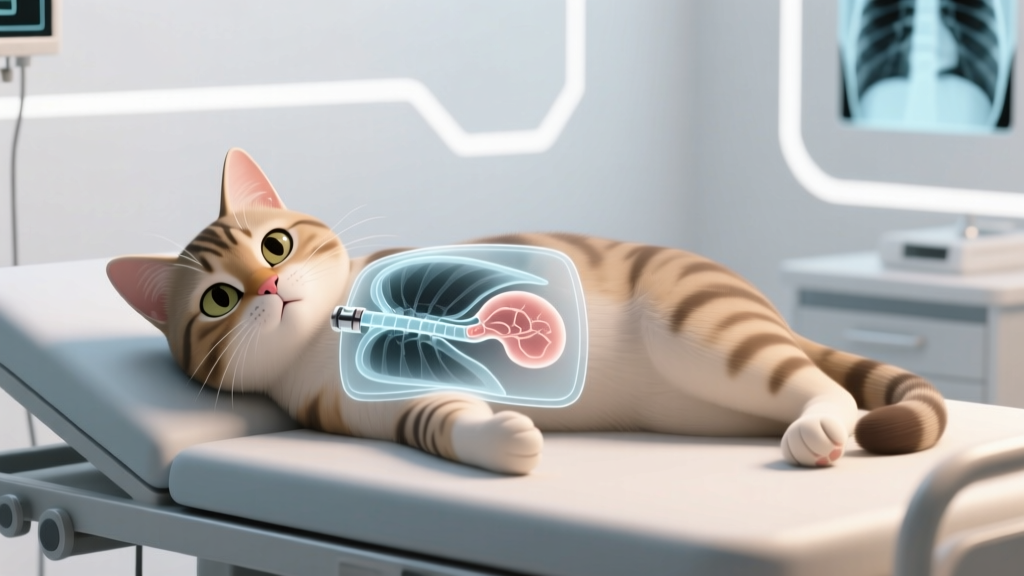
If your cat has swelling, enlarged lymph nodes, or recurring skin issues, your veterinarian will likely take a step-by-step approach. Diagnosis isn’t always a single test—sometimes it’s a combination of history, physical findings, and lab work.
Common diagnostic steps:
- History and exam
- Travel history, mosquito exposure, outdoor habits
- Location of swelling, skin condition, lymph node size
- Blood tests
- Blood smear or specialized tests to look for microfilariae
- Complete blood count and chemistry panel to assess inflammation and overall health
- Fine needle aspirate (FNA) of an enlarged lymph node or swelling
- May reveal inflammatory changes and occasionally parasite evidence
- Imaging (as needed)
- Ultrasound or radiographs to check deeper tissues and rule out tumors, abscesses, or other causes of swelling
What to tell your veterinarian right away:
- Any recent travel or relocation
- Whether you’ve noticed mosquitoes indoors or around your home
- Which preventives your cat is on (bring names/dates if possible)
- How quickly swelling appeared and whether it changes over the day
If Brugia or another filarial parasite is suspected, your vet may also discuss other mosquito-borne diseases and tailor testing to what’s common in your area.
6. Treatment options (medical, surgical, and home care)
Treatment depends on the parasite burden, the severity of lymphatic damage, and whether secondary issues (like bacterial skin infection) are present. Because medication choices and safety vary by country and individual cat health status, treatment should always be guided by a veterinarian.
Medical treatment
- Antiparasitic medications
- Your veterinarian may prescribe a drug protocol aimed at reducing microfilariae and/or adult worms.
- Close monitoring is important because killing parasites can sometimes trigger inflammatory reactions.
- Anti-inflammatory support
- If inflammation is significant, your vet may use medications to reduce swelling and discomfort.
- Antibiotics
- If there is a secondary skin infection (common when swelling stretches skin or impairs circulation), antibiotics may be needed.
- Pain control
- Safe feline-specific pain relief can improve mobility and appetite. Never give human pain meds unless your vet explicitly instructs you—many are toxic to cats.
Surgical or procedural care
- Drainage or wound care may be needed if swelling is complicated by abscesses or persistent fluid pockets.
- Biopsy may be recommended if the cause of lymph node enlargement is unclear or if cancer needs to be ruled out.
Home care and supportive steps
Home care focuses on comfort, preventing self-trauma, and keeping the skin healthy while medical therapy does its job.
- Use an e-collar if licking/chewing is worsening skin damage.
- Follow medication directions exactly and finish all prescribed courses.
- Keep a swelling journal (photos + notes): track size, redness, warmth, and whether your cat is limping.
- Maintain a calm indoor recovery space with easy access to food, water, and litter.
- Offer gentle grooming help if your cat is uncomfortable reaching certain areas.
Do not attempt compression bandages or wraps unless your veterinarian teaches you how—improper wrapping can cut off circulation and cause serious injury.
7. Prevention strategies and early detection tips
Preventing mosquito bites and using veterinarian-recommended parasite prevention is the best defense.
Actionable prevention steps you can start today:
- Ask your veterinarian about parasite prevention appropriate for your region and your cat’s lifestyle.
- Reduce mosquito habitat around your home:
- Empty standing water (plant saucers, buckets, clogged gutters)
- Change outdoor pet water frequently
- Limit outdoor time at peak mosquito hours (dawn and dusk).
- Use physical barriers:
- Repair window/door screens
- Consider safe indoor mosquito control strategies recommended for homes with pets
- Schedule regular wellness visits so subtle lymph node changes or skin issues are caught early.
Important safety reminder: Never use dog-only parasite products on cats unless your veterinarian confirms it’s cat-safe. Some ingredients commonly used for dogs can be dangerous or fatal to cats.
8. Prognosis and quality of life considerations
Many cats do well when infection is recognized and treated, especially before long-term lymphatic damage develops. Prognosis varies based on:
- How long the infection has been present
- The degree of lymphatic obstruction and scarring
- Whether secondary infections or chronic skin changes have developed
- Your cat’s overall health and ability to tolerate medication
Some cats may have lingering swelling even after parasites are reduced, because lymph vessels can remain damaged. In those cases, quality of life often depends on good skin care, managing flare-ups early, and minimizing re-exposure to mosquitoes.
Signs your cat’s quality of life is staying on track:
- Normal appetite and interest in affection/play
- Comfortable movement without persistent limping
- Stable or improving swelling
- Healthy skin without recurring infections
9. When to seek emergency veterinary care
Most cases are not a “panic this second” situation, but certain signs should be treated urgently.
Seek emergency care immediately if your cat has:
- Sudden, rapidly worsening swelling, especially of a limb or face
- Open wounds, spreading redness, or pus
- Severe pain (crying, hiding, aggression when touched)
- Difficulty breathing or open-mouth breathing
- Collapse, extreme weakness, or pale gums
- High fever or profound lethargy
- Signs of an allergic-type reaction after a new medication (facial swelling, hives, vomiting, trouble breathing)
If you’re unsure, call your veterinary clinic or an emergency hospital and describe what you’re seeing. It’s always okay to ask if something can wait until morning.
10. FAQ: common questions from cat owners
Can indoor cats get Brugia infections?
Yes, it’s possible. Mosquitoes can get indoors through doors, windows, and screens. Indoor living reduces risk, but it doesn’t fully eliminate it—especially in high-mosquito regions.
Is feline Brugia the same as heartworm?
No. Heartworm primarily affects the heart and pulmonary arteries. Brugia filarial worms typically involve the lymphatic system. Both can be mosquito-borne, which is why prevention planning with your veterinarian is so helpful.
Is it contagious from cat to cat?
Direct contact doesn’t usually spread filarial infections. Transmission generally requires a mosquito vector. That said, if one pet is infected, it can indicate that mosquitoes in the area are carrying parasites—so it’s wise to discuss prevention for all pets in the household with your veterinarian.
What’s the first sign most owners notice?
Often it’s localized swelling (a paw or limb looking puffy), enlarged lymph nodes, or recurring skin irritation in the same area. Because these signs overlap with many other conditions, a veterinary exam is the best next step.
Can this be cured?
Many cats improve significantly with appropriate veterinary treatment and mosquito-risk reduction. Some cats may have ongoing lymphatic sensitivity or chronic swelling if the lymph vessels were damaged. Your veterinarian can outline realistic goals: parasite control, comfort, and preventing complications.
What should I do today if I suspect my cat has this?
- Schedule a vet appointment and bring notes/photos of the swelling or skin changes.
- Prevent licking/chewing with an e-collar if the skin is being traumatized.
- Do not start leftover medications or over-the-counter parasite treatments without veterinary guidance.
- Reduce mosquito exposure right away by keeping your cat indoors and addressing standing water around the home.
If you’d like more practical, vet-guided cat health articles—covering parasites, skin issues, preventive care, and wellness routines—visit catloversbase.com for more trusted resources.