British Shorthair: Personality and Care Essentials
Breed History
The British Shorthair descends from cats brought to Britain by the Romans nearly 2,000 years ago. The breed was refined in the late 1800s and nearly went extinct during both World Wars.
Physical Traits
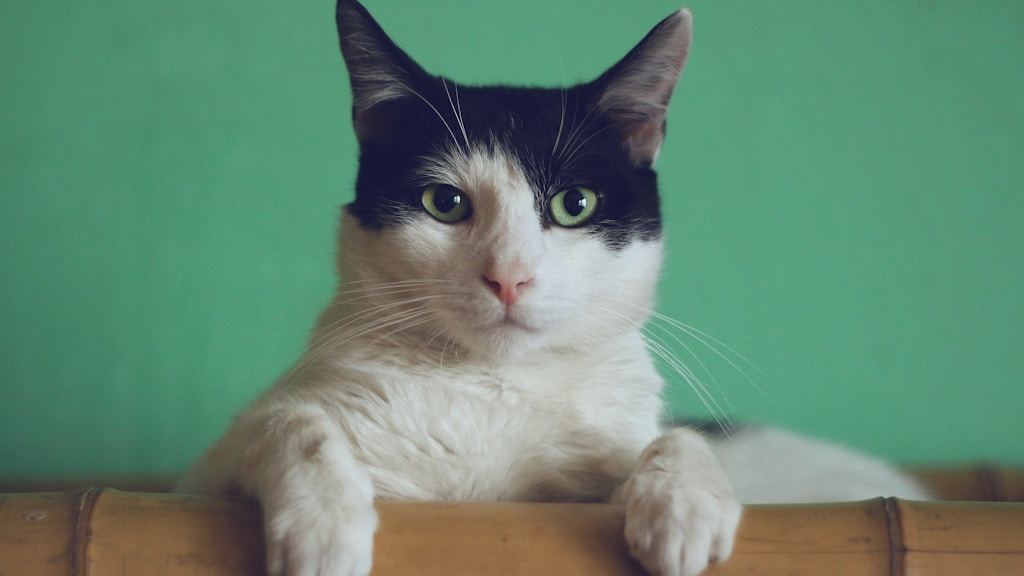
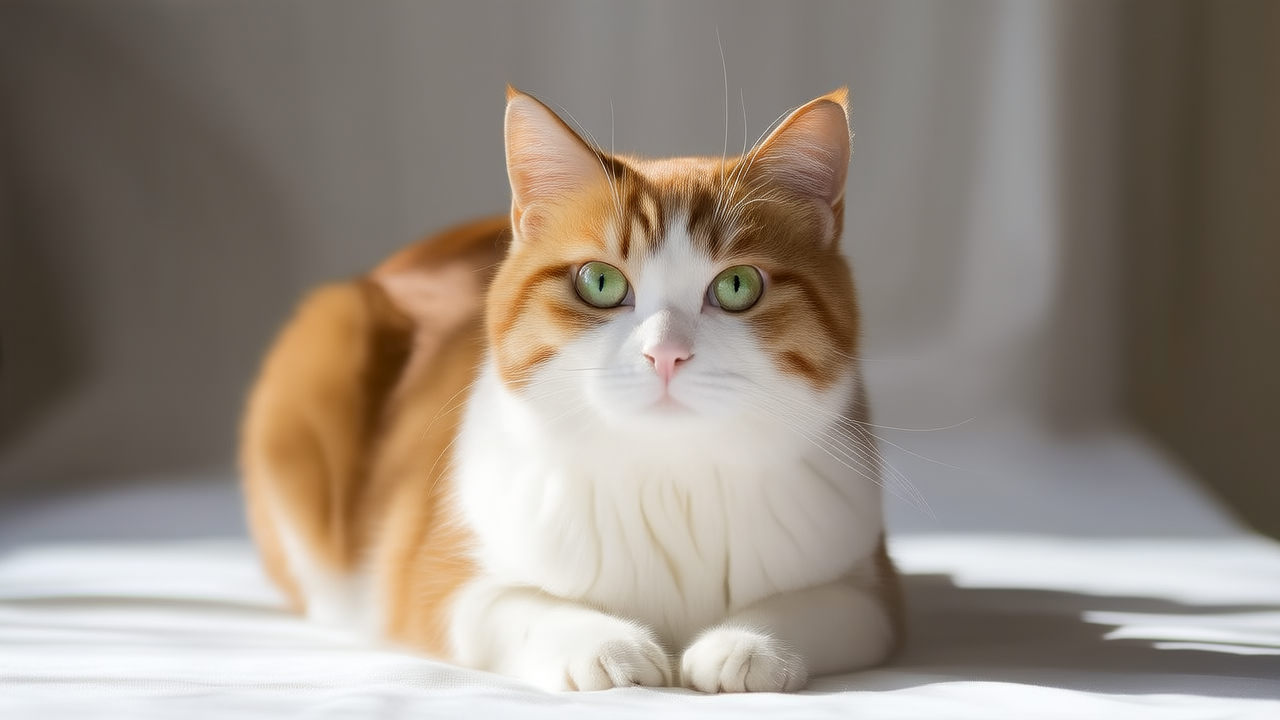
Stocky, muscular cats with a teddy bear appearance. Males weigh 9-17 pounds. The round face, full cheeks, and dense, plush coat are trademarks. Blue (gray) is most famous, but they come in virtually every color.
Temperament: The Quiet Companion
Calm, independent, and undemanding. They enjoy being near owners but aren't clingy — they sit beside you rather than on your lap. Quiet cats who rarely vocalize and adapt well to apartments.
Grooming: Low Maintenance
Dense double coat requires only weekly brushing with a slicker brush. Moderate shedding year-round with heavier shedding in spring.
Health Concerns
- HCM: Affects about 6%. Annual cardiac screening recommended.
- Hemophilia B: Rare genetic blood clotting disorder. DNA testing available.
- Obesity: Calm nature + stocky build = weight gain prone. Portion control essential.
- Dental disease: Round face can crowd teeth, increasing plaque risk.
Diet and Exercise
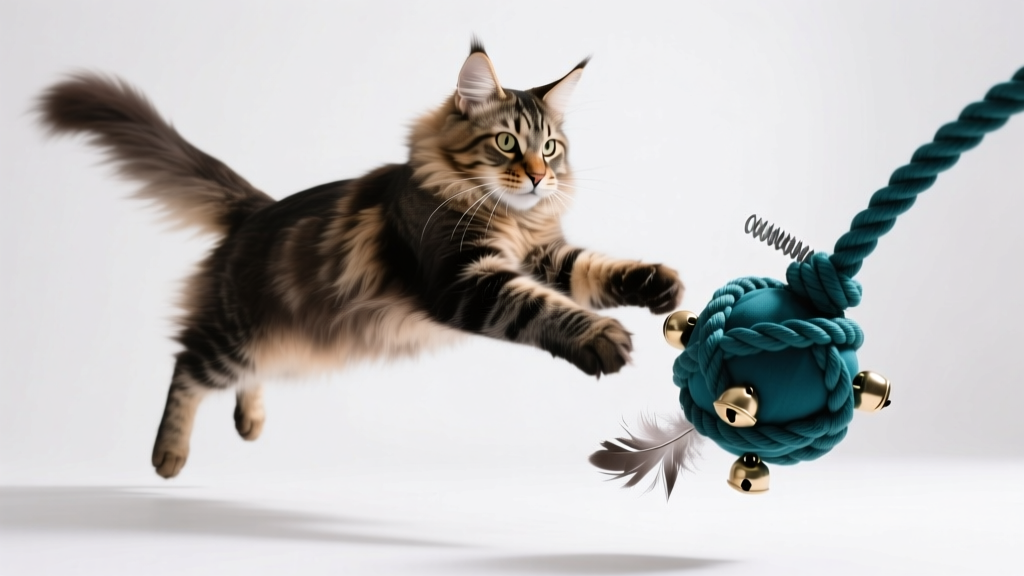
Not naturally active. Encourage play with wand toys and food puzzles. A 10-minute play session twice daily is usually sufficient. Feed measured portions — free-feeding leads to rapid weight gain.
Is a British Shorthair Right for You?
Perfect for busy professionals, apartment dwellers, and first-time owners. They handle alone time better than most breeds.