Everglades Cat: Florida Swamp Adaptation
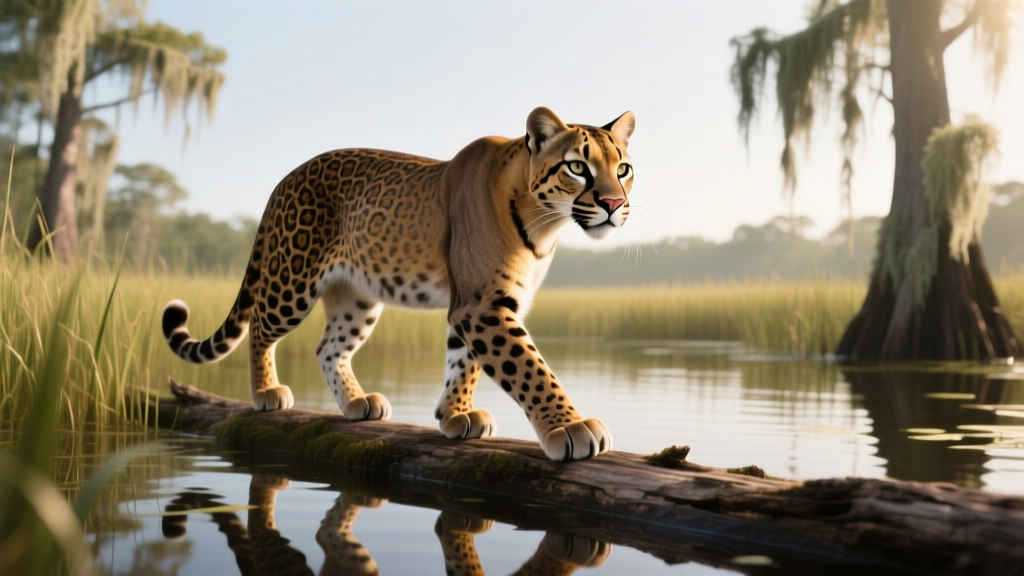
Imagine a cat built for heat, humidity, and the hush of sawgrass marshes—quick on its feet, clever as a raccoon, and comfortable where most house cats would turn around and head straight for the air-conditioning. That’s the allure behind the Everglades Cat, a Florida-inspired “swamp cat” concept that has captured the curiosity of cat enthusiasts who love rugged, nature-shaped felines.
Before we go any further, a quick reality check from one cat lover to another: the Everglades Cat is not an officially recognized purebred cat in major registries like TICA or CFA. You won’t find a standardized pedigree, a long list of registered catteries, or a universally agreed-upon breed blueprint. What you will find is a fascinating regional type—a look and temperament often associated with hardy, heat-tolerant cats in Florida, especially domestic shorthairs and polydactyl “Hemingway-type” cats that have thrived around coastal towns, wetlands, and rural homesteads for generations.
If you’re researching the Everglades Cat for ownership, conservation curiosity, or breed study, you’re in the right place. Let’s talk about the origins, the “swamp adaptation” traits people love to describe, what to expect in real-world health and care, and how to find a cat with this vibe—ethically and responsibly.
Breed History and Origin
The Everglades is one of the most unique ecosystems in North America—hot summers, sudden downpours, insects year-round, and water everywhere. Cats have lived in and around Florida’s wetlands since the earliest days of settlement, arriving as ship cats, barn mousers, and later as beloved companions that sometimes formed free-roaming colonies.
Over time, a practical “survival-of-the-fittest” selection can shape a local cat population. In Florida, that tends to favor cats who are:
- Heat tolerant and able to stay active in humid weather
- Short-coated with low-maintenance fur that dries quickly
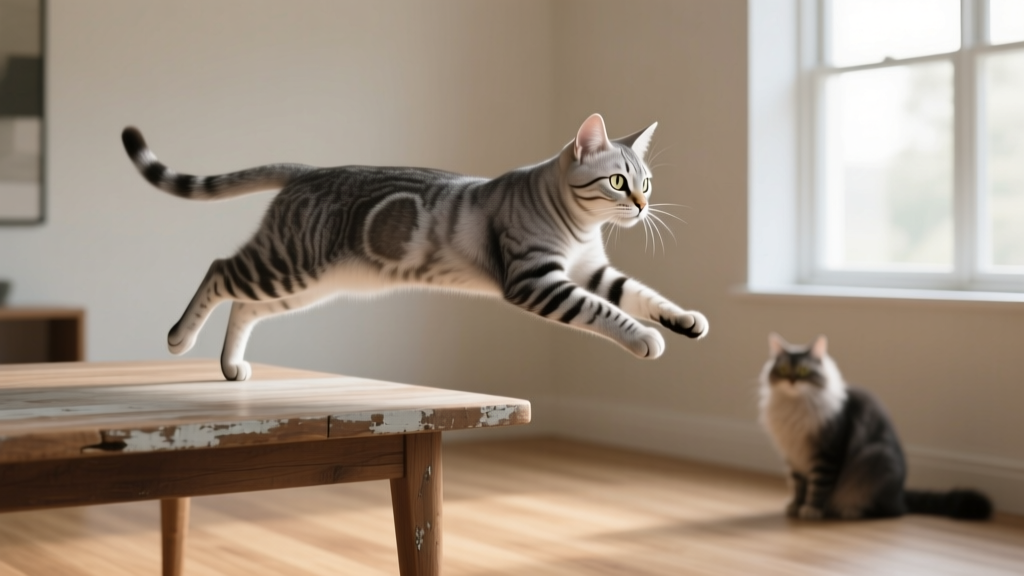
- Quick and athletic—great jumpers, climbers, and hunters
- Street-smart and confident around new sights and sounds
When people use the term “Everglades Cat”, they’re often describing a cat that looks and acts like it belongs in Florida’s swampy landscape: alert expression, lean muscle, easy-care coat, and a bold, curious personality.
You may also see the Everglades Cat linked (sometimes loosely) to Florida’s well-known populations of polydactyl cats—cats with extra toes. Polydactyly is a naturally occurring genetic trait found worldwide, but it’s famously associated with coastal communities and port towns. Extra-toed cats were historically valued as mousers and sure-footed ship companions, and many of their descendants became cherished local “types.”
Physical Characteristics
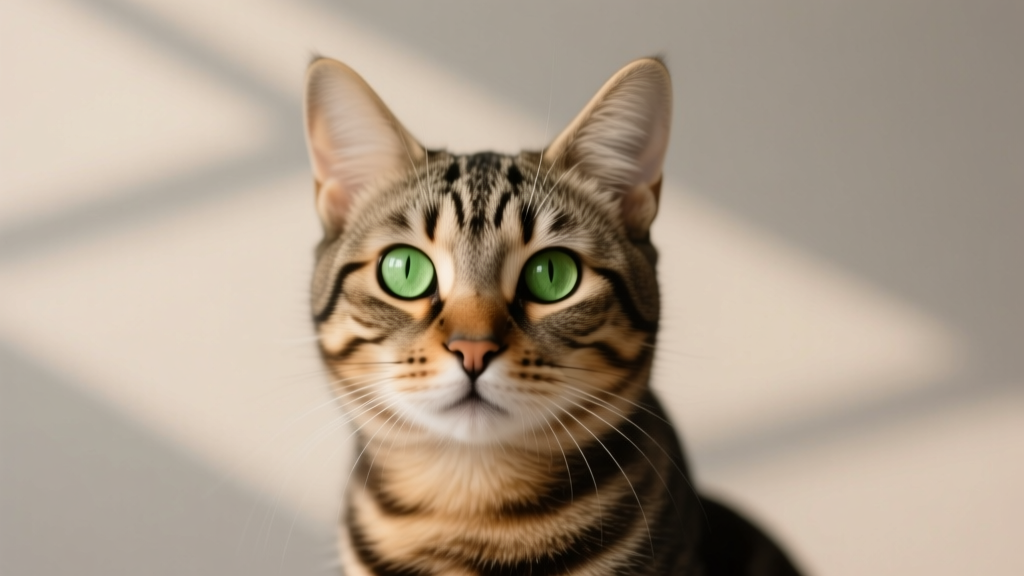
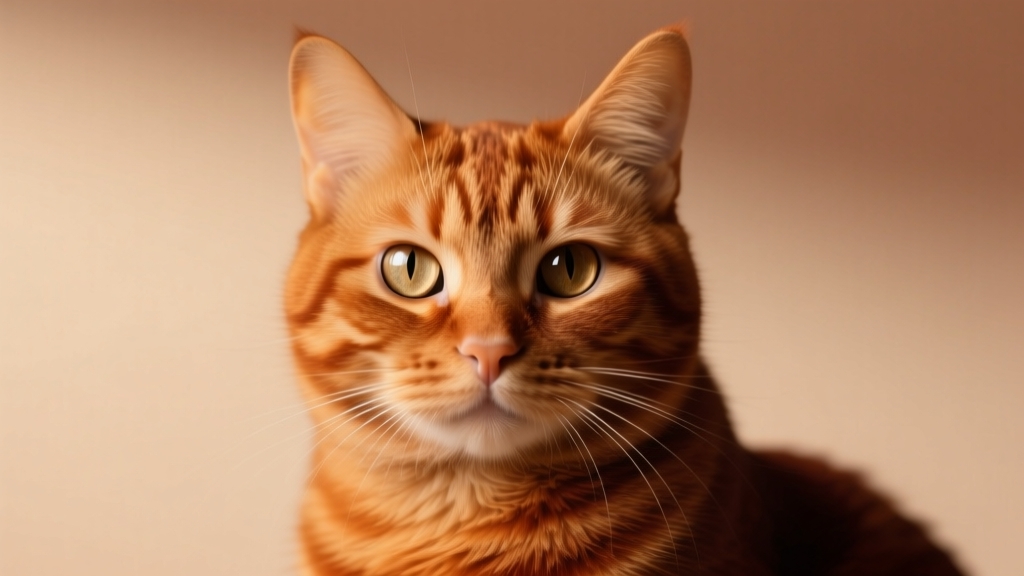
Because the Everglades Cat isn’t a standardized, registry-defined breed, you’ll see variation. That said, many cats described this way share a similar “Florida swamp cat” silhouette: athletic, compact-to-medium build, short coat, and an alert, bright-eyed look.
| Trait | Typical “Everglades Cat” Type |
|---|---|
| Size | Medium (some small, some larger depending on lineage) |
| Weight | Usually 7–12 lbs; some males can be 13–15 lbs |
| Build | Lean, muscular, agile; long legs are common |
| Coat length | Short to medium-short; often sleek and close-lying |
| Coat texture | Low-maintenance; many have a glossy, weather-friendly feel |
| Colors & patterns | Any: tabby (brown, silver, orange), black, white, calico, tortoiseshell, gray/blue; spotting or classic tabby swirls are common |
| Distinctive features | Big ears, wide-set eyes, strong whisker pads; sometimes polydactyl feet |
Florida Swamp “Adaptation” Look
When cat lovers talk about swamp adaptation, they’re usually pointing to practical traits rather than anything mystical:
- Short coat that doesn’t mat easily in humidity
- High energy and athleticism—a body built for sprinting and climbing
- Confident posture and alert facial expression
- Resilient skin and coat condition when properly cared for (though parasites are a real regional concern)
If you meet a cat labeled an Everglades Cat, remember you’re likely meeting a domestic shorthair with a Florida-style survival toolkit.
Personality and Temperament Traits
The classic Everglades Cat personality is often described as bold, clever, and busy—the kind of cat who watches everything, learns routines quickly, and wants to be involved. Many are affectionate in a “shadow-you-around” way, but not always the type to sit still for hours.
Common temperament traits include:
- Curious and investigative (cabinets, screens, and windows are all fair game)
- Play-driven—they love chase games and interactive toys
- Confident with new rooms and visitors after a short warm-up
- Talkative in some lines, especially when they want attention or food
- Strong hunting instincts—great for play, but it means they need outlets
Because many cats with this “type” come from mixed backgrounds, personality can vary widely. If you’re choosing a cat, the individual temperament matters far more than the label.
Health Considerations and Common Issues
Mixed-breed domestic cats are often wonderfully robust, and many “Everglades type” cats have that sturdy, streetwise constitution. Still, Florida’s environment brings its own health considerations, especially for cats who were previously outdoors or part of a community colony.
Here are the most common issues to watch for:
- Parasites: fleas, ticks, intestinal worms—common in warm climates
- Heartworm exposure risk: cats can be affected, and prevention is worth discussing with your vet
- Upper respiratory infections: more common in shelter/rescue backgrounds
- Dental disease: like many cats, they benefit from early dental care
- Skin irritation/allergies: can be triggered by flea bites or environmental allergens
If your Everglades Cat is polydactyl, the trait itself usually isn’t a problem, but nail care can be. Extra toes can mean extra nails, and occasionally nails grow in odd directions and need more frequent trimming.
Vet checklist for newly adopted “Everglades” cats
- Full physical exam and baseline bloodwork if recommended
- Fecal test + deworming plan
- Flea/tick prevention suited for cats (never use dog products)
- FeLV/FIV testing (especially for rescue or outdoor-background cats)
- Microchip + vaccine schedule
Care Requirements (Grooming, Exercise, Diet)
Grooming
Most Everglades Cats have short coats, so grooming is blissfully simple:
- Brushing: 1–2 times per week to reduce shedding and hairballs
- Nail trimming: every 2–4 weeks (polydactyl cats may need closer monitoring)
- Ear checks: weekly quick look for wax buildup or irritation
- Dental care: brushing is ideal; dental treats and vet cleanings help too
Exercise and Enrichment
This is where the “swamp cat” spirit really shines. These cats tend to thrive when they have a job—preferably one that involves pouncing.
- Interactive play (10–15 minutes, 1–2 times daily): wand toys, chase toys, kicker toys
- Climbing options: tall cat trees, wall shelves, window perches
- Puzzle feeders: slow down fast eaters and keep smart cats busy
- Safe outdoor time: catio or harness training (Florida wildlife and parasites make free-roaming risky)
Diet
A lean, athletic cat stays at its best with high-quality nutrition and portion control.
- Protein-forward food: cats are obligate carnivores, so prioritize meat-based diets
- Wet food: helpful for hydration, especially in warm climates
- Weight monitoring: active cats can still gain weight indoors if bored
- Fresh water access: many cats drink more from fountains
If your cat came from an outdoor environment, keep treats modest—rapid diet changes can upset digestion. Transition foods gradually over 7–10 days.
Compatibility with Families, Children, and Other Pets
Many Everglades-type cats make fantastic family companions—bright, playful, and social. Their success in a home usually depends on two things: proper introduction and enough daily enrichment.
- With children: Often very good with respectful kids who don’t grab or chase. These cats love play, so teach kids to use wand toys rather than hands.
- With dogs: Frequently adaptable if introductions are slow and the dog is cat-savvy. Confidence helps, but give the cat vertical escape routes.
- With other cats: Many do well, especially if they grew up around other cats. Slow introductions reduce tension.
- With small pets: Use caution. Strong prey drive means birds, hamsters, and reptiles must be securely housed and never left unsupervised.
If you’re adopting, ask about the cat’s background: a former barn cat may need more time to adjust than a foster-home-raised kitten.
Pros and Cons of Owning This Breed (Type)
| Pros | Cons |
|---|---|
| Often hardy, resilient mixed-breed health | No official breed standard—appearance and temperament vary |
| Short coat = easy grooming | High energy can lead to mischief without daily play |
| Smart, curious, engaging personality | Strong prey drive may be tough with small pets |
| Great fit for active homes that enjoy interactive play | Outdoor-background cats may come with parasite/URI baggage |
| Potential for charming polydactyl features | Extra toes can mean extra nail care and monitoring |
FAQ: Everglades Cat
Is the Everglades Cat a real breed?
Not in the official registry sense. “Everglades Cat” is most often a regional nickname or descriptive label for Florida-adapted domestic cats—usually domestic shorthairs—rather than a standardized purebred with pedigrees.
Do Everglades Cats like water?
Some do! Individual cats vary. Many Florida cats are simply less bothered by humidity and wet ground, but that doesn’t guarantee a love of baths or swimming. If yours is water-curious, offer safe play like dripping faucets or shallow water toys.
Are polydactyl cats part of the Everglades Cat look?
They can be. Polydactyl (extra-toed) cats are found in Florida and along coastal regions, and some people associate that trait with “swamp cat” toughness and sure-footedness. It’s a naturally occurring genetic trait, not a requirement.
What’s the best home setup for an Everglades-type cat?
A home with vertical space (cat trees/shelves), daily interactive play, and puzzle feeders is ideal. Many thrive with a screened porch or catio for safe outdoor enrichment.
Are they good indoor cats?
Yes—often excellent indoor companions, as long as they get enough stimulation. Because Florida has parasites, traffic, and wildlife risks, keeping them indoors (or safely contained outdoors) is usually the safest choice.
How can I find an “Everglades Cat” ethically?
Look for Florida-based rescues, shelters, and foster networks that can match you with an athletic domestic shorthair (or polydactyl cat) with the personality you want. Avoid anyone claiming a rare registered “Everglades purebred” without verifiable registry documentation.
Warm Signoff
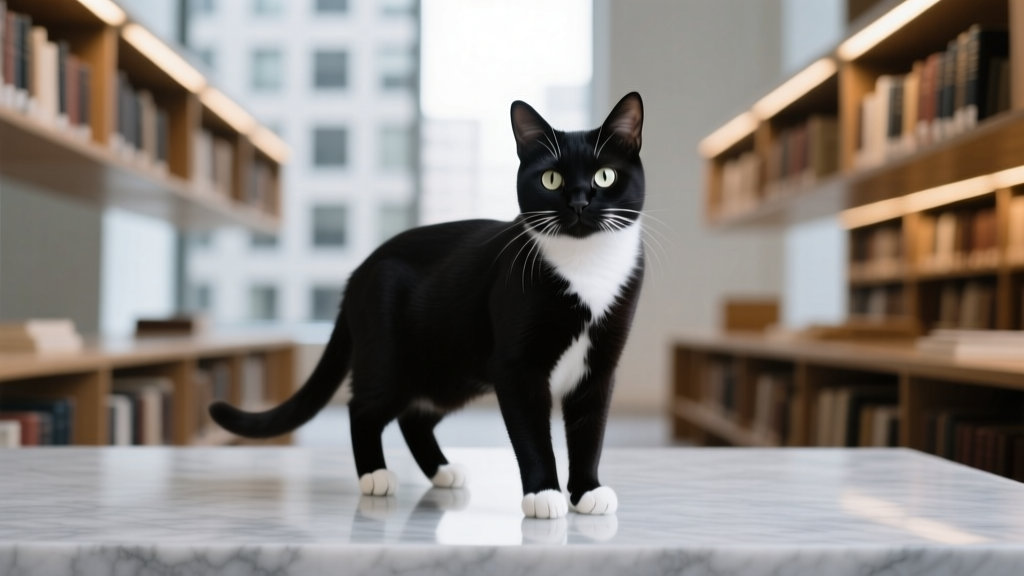
The Everglades Cat idea celebrates everything we love about cats shaped by real life: adaptability, athletic grace, and that fearless curiosity that makes even an ordinary hallway feel like unexplored wilderness. Whether your future companion is a sleek black domestic shorthair, a tabby with bright, watchful eyes, or a polydactyl cuddle machine with extra-toed “swamp paws,” the best Everglades Cat is the one whose personality fits your home—and whose care you’re excited to provide.
Want to keep exploring Florida-inspired felines and other fascinating cat breeds and types? Browse more breed profiles and cat-lover guides on catloversbase.com.