Alpine Lynx: Mountain Breed Characteristics
If you’ve ever wished for a cat that looks like it strolled out of a snowy mountain forest—tufted ears, bold spots, and that wildcat vibe—yet acts like a devoted family companion, the Alpine Lynx is probably already on your radar. This is one of those breeds that makes people do a double-take: “Is that a lynx?” And then, two minutes later, the cat is head-butting for affection like it’s known you forever.
Enthusiasts love the Alpine Lynx for its striking “mountain cat” appearance and its famously people-friendly nature. Potential owners appreciate that it’s typically confident, playful, and social—often described as a “big personality in a plush, spotted coat.” Breed researchers find it fascinating because, unlike many established pedigrees, the Alpine Lynx is a newer, developing type with characteristics that can vary from cat to cat.
Let’s unpack what makes the Alpine Lynx special: where it came from, what it looks like, how it behaves at home, and what you should know about health and care before bringing one into your life.
Breed History and Origin
The Alpine Lynx cat is a modern, developing breed type that emerged in the United States. It’s most commonly associated with breeding programs that aimed to create a domestic cat with a wild lynx-like look—think ear tufts, spotted coats, and substantial bone—while keeping a sweet, easygoing temperament suitable for family life.
Depending on registry and breeder lines, you may see Alpine Lynx cats described in connection with other “bobcat-look” domestics, particularly the Highlander and related lines. Some programs have used outcrosses to domestic cats with desired traits (like curled ears or naturally short tails) to build the look. What’s consistent across reputable sources is this: the Alpine Lynx is not a wildcat hybrid. It’s intended to be fully domestic, bred for appearance and personality rather than wild ancestry.
Because it’s still a newer, less universally standardized breed than long-established pedigrees, you’ll see some variability in traits such as tail length, ear set, and coat pattern intensity. That makes choosing a responsible breeder—and meeting the parents when possible—especially valuable.
Physical Characteristics
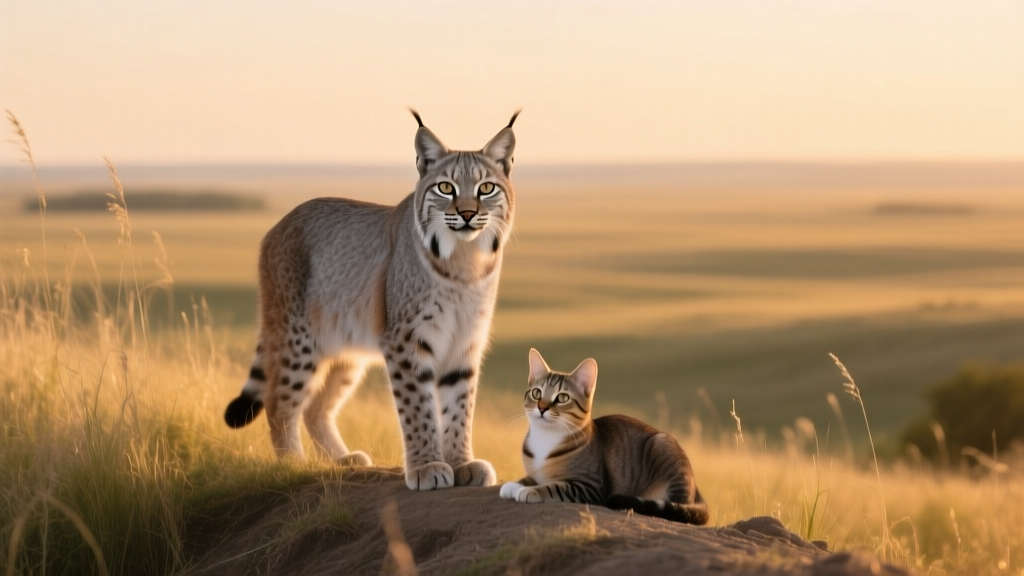
The Alpine Lynx is all about “wild styling” with a cuddly domestic build. Many have a sturdy, athletic frame and a plush coat that emphasizes their patterning. The overall impression is powerful but approachable—more mountain adventurer than delicate showpiece.
| Feature | Typical Alpine Lynx Traits |
|---|---|
| Size | Medium to large |
| Weight | Often 10–20 lb (4.5–9 kg); males commonly larger than females |
| Body type | Muscular, substantial bone, broad chest |
| Coat length | Short to medium; some lines produce longer “fluffier” coats |
| Coat texture | Plush, dense; can feel soft and springy |
| Colors & patterns | Commonly spotted, rosetted, marbled, or tabby variations in many colors (brown, silver, black, and more) |
| Head | Broad with a strong muzzle; expressive, alert look |
| Ears | Often tufted; some lines may show curled ear tips depending on lineage |
| Tail | Can vary: full-length, naturally shorter, or bobbed depending on breeding program |
| Eyes | Large, open expression; colors vary |
Distinctive Features People Notice First
- “Lynx” ear furnishings: ear tufts and heavy ear hair that create that wild silhouette.
- Spotted or boldly patterned coat: many Alpine Lynx cats have eye-catching spots or marbling.
- Solid, athletic build: they tend to feel heavier than they look—dense muscle and bone.
- Tail variety: depending on the line, you may see everything from a long tail to a naturally shorter one.
If you’re researching “Alpine Lynx mountain breed characteristics,” this is the heart of it: a domestic cat selectively bred to resemble a small, rugged wildcat while staying friendly and home-oriented.
Personality and Temperament Traits
The Alpine Lynx temperament is a big reason fans fall hard for this breed. While individual personality always depends on genetics, socialization, and environment, many Alpine Lynx cats are known for being social, playful, and surprisingly attentive to their humans.
- Affectionate without being fragile: often enjoys cuddles and lap time, but is also happy to bounce back up for play.
- Confident and curious: tends to investigate new rooms, visitors, and sounds rather than hiding for hours.
- Play-driven: many love interactive toys, chasing games, and puzzle feeders.
- People-focused: frequently follows favorite humans from room to room like a fuzzy shadow.
- Smart and engaged: can learn routines quickly; some do well with clicker training or harness training.
Because they’re often bold and interactive, Alpine Lynx cats can be a joy for owners who want a cat that “participates” in daily life. If you prefer a very independent, hands-off cat, this breed may feel a bit too involved—especially in homes where someone is around most of the day.
Health Considerations and Common Issues
Since the Alpine Lynx is a newer, developing breed type with variation between lines, health profiles can differ based on the cats used in breeding programs. Responsible breeders focus on overall robustness, temperament, and sound structure. Still, you’ll want to discuss health screening and any line-specific concerns before committing.
Potential Health Topics to Ask About
- Joint and mobility health: Larger, heavier cats can be more prone to joint strain over time. Ask how breeders support healthy growth (diet, avoiding overly rapid weight gain).
- Tail and spine considerations: If bobbed or shortened tails are present in a line, ask about screening for spinal issues and how the breeder selects for healthy structure.
- Ear health: If the line includes curled ears or heavy ear furnishings, ask about ear canal health and cleaning needs.
- General genetic screening: Even in domestic lines, it’s smart to ask whether parent cats have been screened for common inherited conditions seen in cats broadly (and to share your vet’s preferred testing approach).
- Weight management: Their solid build can hide extra pounds; obesity can increase risks for diabetes and joint problems.
Best practice: schedule a new-cat wellness visit shortly after adoption, keep annual exams consistent, and maintain dental care and parasite prevention. A well-bred Alpine Lynx from health-conscious lines can be a sturdy companion, but like any cat, good prevention makes a huge difference.
Care Requirements (Grooming, Exercise, Diet)
Grooming
Alpine Lynx grooming needs depend on coat length. Most do well with a simple routine that keeps shedding manageable and reduces hairballs.
- Brushing: 1–2 times per week for short/medium coats; 2–3 times weekly if longer or extra plush.
- Seasonal shedding: expect heavier shedding in spring and fall; increase brushing during those times.
- Ear checks: with tufted or heavily furnished ears, do a quick weekly look for wax buildup or debris.
- Nail trims: about every 2–4 weeks, depending on scratching habits and activity level.
- Dental care: brushing teeth (even a few times per week) plus vet-recommended dental support can prevent bigger issues later.
Exercise and Enrichment
This is an athletic, playful breed type in many homes. A bored Alpine Lynx can “invent” entertainment—often on countertops.
- Interactive play: wand toys, chase games, and short training sessions 10–15 minutes daily.
- Climbing options: cat trees, wall shelves, or a sturdy window perch.
- Puzzle feeders: excellent for mental stimulation and slowing fast eaters.
- Harness training: some do very well with gradual harness training for safe outdoor time.
Diet
Alpine Lynx cats often thrive on a high-quality, high-protein diet matched to their life stage (kitten, adult, senior) and activity level. Because many are bigger-bodied, portion control matters—especially after the kitten growth phase.
- Protein-forward nutrition: look for named animal proteins as primary ingredients.
- Wet food benefits: supports hydration; many cats do well with a mix of wet and dry.
- Monitor body condition: use hands-on checks—feel ribs with light padding, observe a visible waist from above.
- Fresh water access: fountains can encourage drinking, especially in playful, active cats.
Compatibility with Families, Children, and Other Pets
The Alpine Lynx is often described as a family-friendly, social cat—especially when well socialized early. They typically enjoy being in the middle of the action, which can make them a wonderful match for busy households.
With Children
- Often tolerant and playful: many enjoy games and can handle respectful kid energy well.
- Teach gentle handling: children should learn no pulling tails/ears and how to read “I’m done” signals (tail swish, ears back, trying to leave).
- Provide escape routes: cat trees and quiet rooms help prevent overstimulation.
With Other Cats
- Commonly social: can do well with a friendly feline companion.
- Slow introductions: scent swapping and gradual meetings help avoid territorial stress.
With Dogs
- Often adaptable: confident cats may integrate well with calm, cat-savvy dogs.
- Safety first: controlled introductions, dog on leash initially, and always provide high perches.
As with any breed, individual temperament matters. The best predictor of compatibility is early handling, exposure, and the personalities of the resident pets.
Pros and Cons of Owning an Alpine Lynx
| Pros | Cons |
|---|---|
| Wild, lynx-like look in a domestic companion | Traits can vary between lines since it’s a developing breed type |
| Often affectionate, social, and people-oriented | May demand more interaction than a low-key, independent cat |
| Playful and intelligent; can enjoy training and enrichment | Needs mental stimulation to avoid boredom behaviors |
| Typically does well in active homes and with families | Larger size means weight management is important |
| Striking coat patterns and plush texture | Grooming and shedding may be more noticeable with heavier coats |
FAQ: Alpine Lynx Cats
Are Alpine Lynx cats related to real lynxes or bobcats?
No—an Alpine Lynx is intended to be a fully domestic cat bred to resemble a lynx-like wildcat. They are not typically marketed as wild hybrids, and reputable breeders focus on domestic temperament and health.
How big does an Alpine Lynx cat get?
Many Alpine Lynx cats are medium to large, commonly ranging around 10–20 lb, with males often larger. Size varies by line, diet, and activity level.
Do Alpine Lynx cats shed a lot?
They can, especially if they have a dense or medium-length plush coat. Most owners manage shedding well with weekly brushing (and more during seasonal coat blows).
Is the Alpine Lynx a good family cat?
In many homes, yes. The Alpine Lynx temperament is often social, playful, and confident, which can suit families—especially when kids are taught respectful handling and the cat has space to retreat.
Are Alpine Lynx cats hypoallergenic?
No cat breed is truly hypoallergenic. Alpine Lynx cats may still produce allergens (like Fel d 1) and shed dander. If allergies are a concern, spend time with the breed before adopting and talk with your allergist.
How much activity does an Alpine Lynx need?
Many do best with daily interactive play, climbing opportunities, and puzzle toys. They’re often more engaged than the average couch-potato cat and tend to thrive with enrichment.
A Warm Sendoff for Future Alpine Lynx Owners
The Alpine Lynx blends “mountain wildcat” style with the kind of affectionate, lively companionship that makes a home feel more fun. If you love bold spots, tufted ears, and a cat that wants to be part of the action—while still being a domestic cuddle buddy—this breed type is easy to adore. Take your time selecting a responsible breeder or rescue, ask detailed questions about lineage and health practices, and set your home up with climbing space, playtime, and a steady routine.
Wishing you many purrs, playful pounces, and that unforgettable first moment when your Alpine Lynx locks eyes with you like you’re the most interesting thing in its whole mountain-shaped world. Explore more cat breed profiles and guides at catloversbase.com.