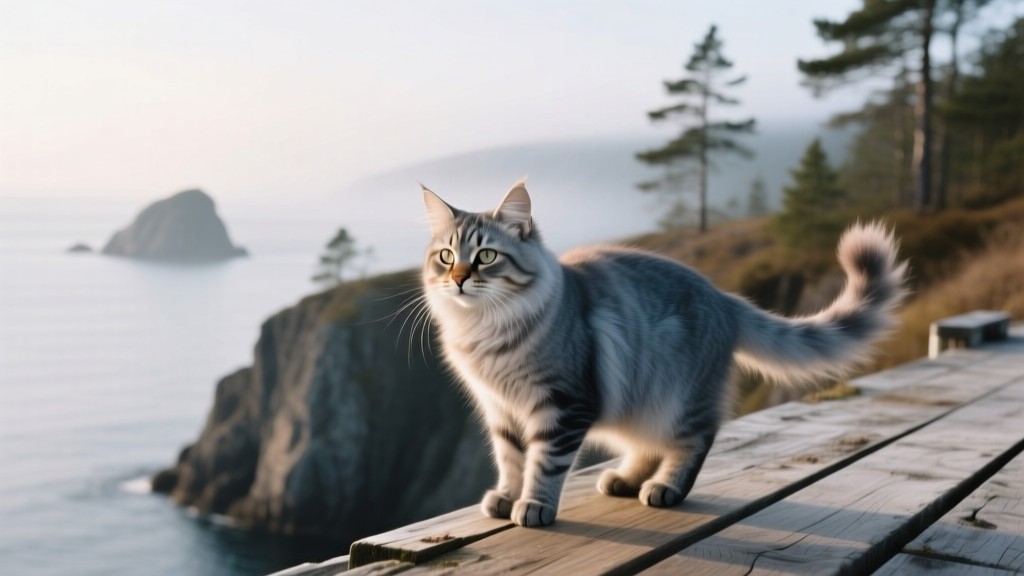
Kurilian Bobtail: Russian Island Cat
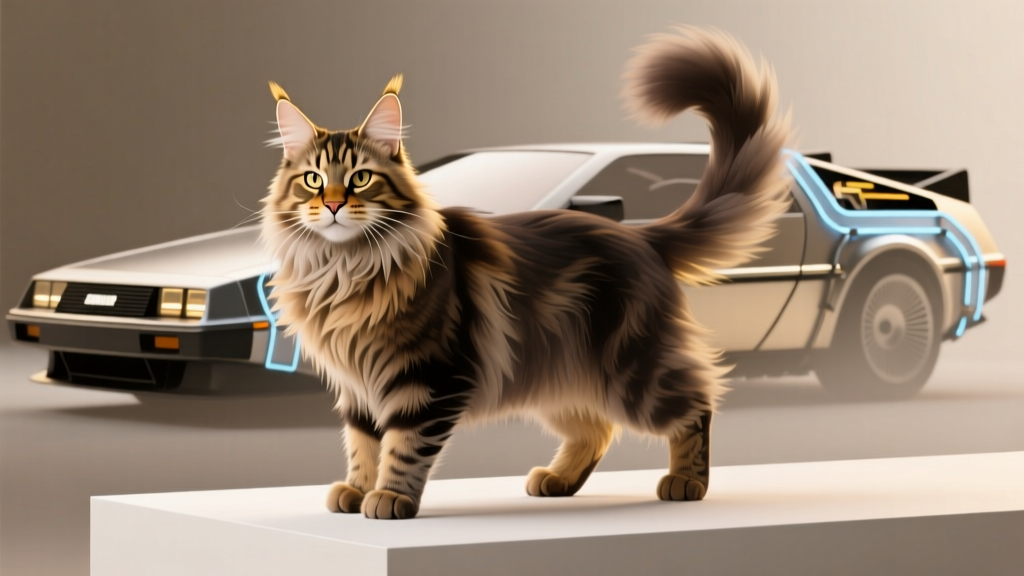
If you’ve ever wished for a cat with a wild-island look, a plush coat you can’t stop petting, and a little “dog-like” devotion sprinkled on top, meet the Kurilian Bobtail. This fascinating breed hails from Russia’s remote island chain and comes with one of the most charming signatures in the cat world: a naturally short, expressive bobbed tail that’s as individual as a fingerprint.
The Kurilian Bobtail (also spelled Kuril Bobtail) isn’t a “designer” cat created in a breeding program—it’s a natural breed shaped by harsh climates and island life. That heritage shows in everything from its sturdy, athletic body to its confident, capable personality. These cats often feel like the perfect blend of rugged and cuddly: built for adventure, but very happy to curl up beside their favorite human once playtime is done.
Whether you’re researching cat breeds, looking for an active family companion, or simply have a soft spot for unusual tails and big hearts, the Kurilian Bobtail cat is a breed worth getting to know.
Breed History and Origin
The Kurilian Bobtail originated in the Kuril Islands—a volcanic island chain stretching between Russia and Japan—as well as on Sakhalin Island. Isolated geography played a major role in preserving the breed’s distinctive traits, especially its natural bobtail and robust constitution.
For generations, these cats lived as hardy island hunters. Locals valued them for their practicality as well as their companionship. Stories and observations from the region frequently describe Kurilian Bobtails as unusually adept at catching rodents—and even capable fishers near water—reflecting their athleticism and bold curiosity.
The breed became more widely known outside its homeland in the late 20th century as cats were brought to mainland Russia. From there, formal breeding programs began to develop a consistent standard while keeping the breed’s natural look and healthy foundation. Today, the Kurilian Bobtail is recognized by several major cat associations, and its popularity continues to grow among people who want a cat that’s both affectionate and confidently “built.”
Physical Characteristics
The first impression most people get is: “Wow, that tail!” But the Kurilian Bobtail offers far more than a cute bob. Think of a compact powerhouse with a plush coat and a bright, alert expression.
| Trait | Typical Kurilian Bobtail Features |
|---|---|
| Size | Medium to large, solid and muscular |
| Weight | Males often ~11–15 lb (5–7 kg); females often ~8–12 lb (3.5–5.5 kg) |
| Body Type | Compact, athletic, heavy-boned; strong hindquarters |
| Coat Length | Two varieties: shorthaired and semi-longhaired |
| Coat Texture | Dense, plush, weather-resistant; semi-longhair often has a fuller ruff and breeches |
| Colors/Patterns | Many colors and patterns seen (commonly tabbies and torties); some registries restrict certain types like colorpoint |
| Distinctive Feature | Natural bobtail (typically 1–4 inches / 2.5–10 cm), with kinks, curves, or “pom-pom” shapes |
That famous bobtail
The Kurilian Bobtail’s tail isn’t docked or altered—it’s genetic and natural. Each cat’s tail can look different: a little spiral, a kinked puff, a short curved “button,” or a fluffy pom-pom in the longhaired variety. The breed standard generally favors a visible bob that’s flexible but clearly shortened, creating a distinct silhouette.
Coat and colors
Kurilian Bobtails come in shorthaired and semi-longhaired types. Both are known for a thick, protective coat that feels plush. Colors can be wonderfully varied—tabbies are especially common and striking on this breed’s athletic frame. Depending on the cat registry, you may see restrictions on certain colors or patterns, so if you’re researching show standards, check the association relevant to your region.
Personality and Temperament Traits
Kurilian Bobtails are often described as confident, affectionate, and clever. They typically enjoy being part of the household’s daily rhythm—following you from room to room, supervising chores, and showing up exactly when something interesting is happening.
Many owners also notice a more “interactive” style of companionship than they expected from a cat. While every individual is different, this breed is widely appreciated for traits like:
- People-focused affection: Often bonds strongly with its favorite humans and enjoys quality time without being overly clingy.
- Playful intelligence: Learns routines quickly, figures out puzzle toys, and may even enjoy fetch-style games.
- Brave curiosity: Tends to investigate new sights and sounds with confidence rather than hiding.
- Strong hunting instinct: Excellent mouser energy—great for play, but you’ll want to provide appropriate outlets.
- Moderate vocalizing: Many are communicative without being constant “talkers.”
Because the Kurilian Bobtail is athletic and mentally engaged, they usually thrive in homes that offer enrichment—climbing space, interactive play, and plenty of social contact.
Health Considerations and Common Issues
As a natural breed, the Kurilian Bobtail cat is generally considered robust. Good breeding practices matter, though, and any cat can develop health issues over a lifetime. The best approach is to work with a reputable breeder (or rescue) who prioritizes health, temperament, and responsible screening.
Potential health considerations include:
- General feline concerns: Dental disease, obesity, and kidney issues can occur in any breed—routine vet care goes a long way.
- Tail and spine considerations: The Kurilian Bobtail’s short tail is natural, but any bobtail breed should be evaluated responsibly. A breeder should select cats with healthy structure and normal mobility.
- Digestive sensitivity (individual): Some cats do best with consistent diets and gradual transitions.
Ask your veterinarian about a practical wellness schedule: annual exams (or twice-yearly for seniors), dental checks, parasite prevention, vaccinations suited to lifestyle, and baseline lab work as your cat ages.
Care Requirements (Grooming, Exercise, Diet)
Grooming
Kurilian Bobtails are wonderfully plush but typically not high-maintenance. Their dense coats benefit from regular brushing to remove loose hair and reduce shedding around the house.
- Shorthaired: Brush about once a week; more during seasonal shedding.
- Semi-longhaired: Brush 2–3 times per week, focusing on the ruff, belly, and “breeches.”
- Basics: Trim nails every 2–4 weeks, clean ears as needed, and support dental health with brushing or vet-approved dental products.
Exercise and enrichment
This is an athletic, agile breed that appreciates a home environment designed for cat life.
- Daily interactive play: Wand toys, chase games, and quick “hunt-catch” sessions.
- Climbing and perching: Cat trees, wall shelves, window perches.
- Puzzle feeders: Great for busy minds and slower eating.
- Training: Many Kurilian Bobtails enjoy clicker training—simple cues like “sit,” “touch,” or going to a mat.
Diet
Kurilian Bobtails do best on a high-quality, portion-appropriate diet that supports lean muscle. Because they can be enthusiastic eaters (especially active, playful cats), measuring meals helps prevent weight creep.
- Protein-forward nutrition: Look for quality animal protein as a main ingredient.
- Wet food benefits: Can support hydration, which is especially helpful for urinary tract health.
- Weight monitoring: Keep an eye on body condition—your vet can show you how to assess it.
- Fresh water access: Many cats drink more with a fountain.
Compatibility with Families, Children, and Other Pets
The Kurilian Bobtail often fits beautifully into an active, affectionate household. Their confident nature and playful energy can make them a fun match for families—especially when introductions are handled thoughtfully.
- With children: Often patient and engaged, particularly with respectful kids who understand gentle handling. Teach children not to grab the tail (even a bobtail!) and to let the cat choose interaction.
- With other cats: Many do well with feline companions, especially if introduced slowly and given enough space and resources.
- With dogs: Can coexist happily with cat-friendly dogs. Their confidence sometimes helps them stand their ground, but slow introductions are key.
- With small pets: Due to strong hunting instincts, extra caution is needed around birds, rodents, and fish tanks—secure housing and supervision matter.
If you’re looking for a cat breed that’s social, sturdy, and interactive, the Kurilian Bobtail is often a standout choice.
Pros and Cons of Owning a Kurilian Bobtail
| Pros | Cons |
|---|---|
| Natural bobtail charm and a truly distinctive look | Can get bored without play and enrichment |
| Affectionate, people-oriented temperament | Strong hunting drive may be tricky with small pets |
| Athletic, fun companion—often enjoys interactive games | Semi-longhair coats may need more frequent brushing |
| Generally robust natural-breed health | Can be harder to find than more common breeds |
| Often adapts well to families and other pets with proper introductions | May become a “shadow cat” if you prefer very independent breeds |
FAQ: Kurilian Bobtail Cat Breed
Are Kurilian Bobtails born with short tails?
Yes. The Kurilian Bobtail is naturally bobtailed, meaning kittens are born with their short tail. Tail length and shape vary widely—kinks, curves, and little pom-poms are all common.
Do Kurilian Bobtails act like dogs?
Many owners describe them as “dog-like” because they’re interactive, curious, and may enjoy following you around or playing fetch-style games. They’re still very much cats—just cats that often love teamwork.
How big does a Kurilian Bobtail get?
They’re usually medium to large. Males commonly fall around 11–15 lb (5–7 kg), while females often range 8–12 lb (3.5–5.5 kg), though individuals can vary.
Do Kurilian Bobtails shed a lot?
They can shed seasonally, especially during coat changes. Regular brushing helps. Semi-longhaired Kurilian Bobtails typically need a bit more grooming than shorthaired ones.
Is the Kurilian Bobtail a good family cat?
Often, yes. This breed tends to be affectionate, playful, and sturdy—great qualities for family life. The best match is a home that enjoys interactive play and can provide enrichment.
Is the Kurilian Bobtail rare?
Compared to very common breeds, yes—Kurilian Bobtails can be harder to find depending on where you live. If you’re looking for one, expect to spend time researching reputable breeders or exploring breed-specific rescue options.
Warm Signoff
The Kurilian Bobtail is the kind of cat that wins hearts fast: a tough little island athlete with a plush coat, bright eyes, and a tail that always starts a conversation. If you want a companion who’ll play hard, cuddle happily, and make everyday life feel a bit more adventurous, this Russian island cat may be your perfect match.
Want to meet more amazing felines? Explore more breed profiles on catloversbase.com and find the cat that fits your home and your heart.