Oriental Shorthair Behavior: Traits & Care
Breed Origins and Recognition
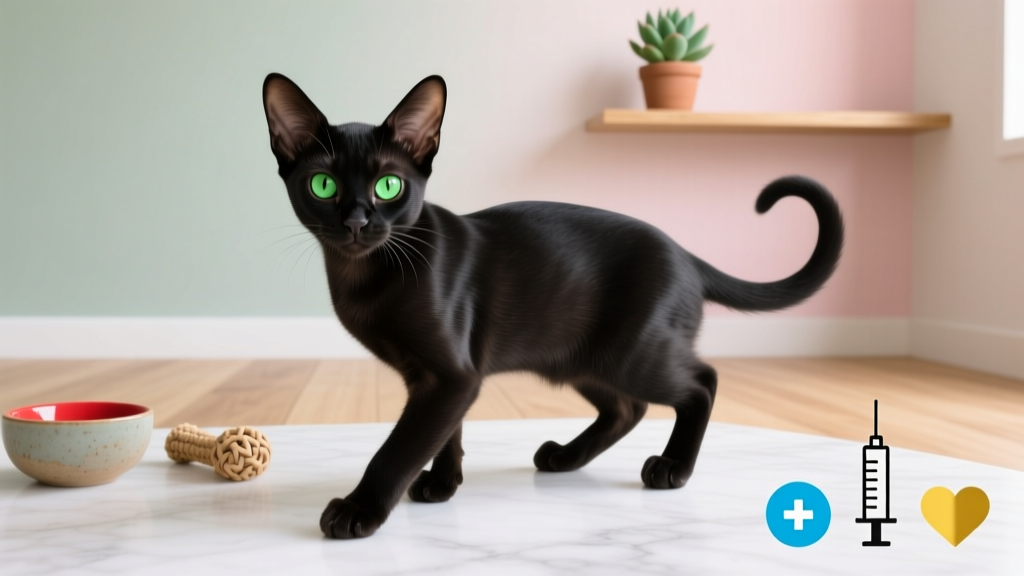
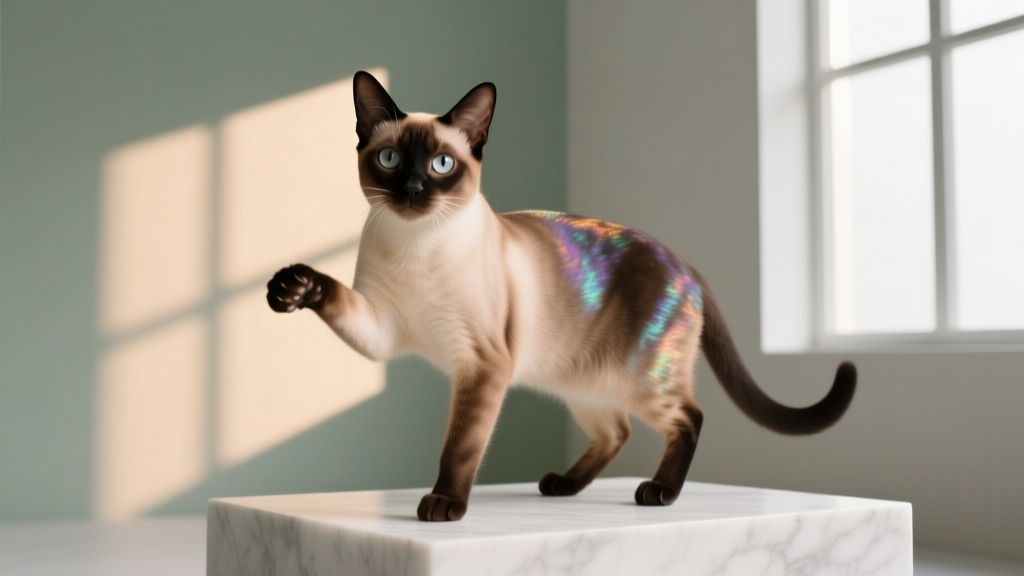
The Oriental Shorthair was developed in the UK in the 1950s by crossing Siamese cats with domestic shorthairs to expand coat color variety while retaining Siamese conformation and personality. The Cat Fanciers’ Association (CFA) granted championship status in 1977, and The International Cat Association (TICA) followed in 1985 (Robinson, Genetics for Cat Breeders, 1991). Unlike the Siamese, Orientals come in over 300 coat colors and patterns—including solid, tabby, tortoiseshell, and smoke—but share identical head shape, almond eyes, and muscular build.
Temperament and Social Behavior
Oriental Shorthairs are famously extroverted, affectionate, and highly social. They form intense bonds with their people and often follow owners room-to-room. A 2022 study published in Journal of Veterinary Behavior found that 87% of Oriental owners reported daily vocalization lasting >15 minutes—more frequent than in Maine Coons or Ragdolls (Smith et al., 2022). They thrive on interaction and can develop separation anxiety if left alone for more than 6–8 hours regularly.
Intelligence and Environmental Needs
This breed scores exceptionally high on problem-solving tests—often opening cabinets, operating light switches, or learning clicker-training commands within 3–5 sessions. Real-world example: Luna, a 3-year-old Oriental in Portland, OR, learned to ring a bell to signal mealtime after just two days of consistent training using Furbo Dog Camera (adapted for cats) and SmartyKat Frolicat Bolt. Without mental stimulation, they may redirect energy into destructive chewing or excessive grooming.
Grooming and Health Considerations
Their short, glossy coat requires minimal maintenance—just weekly brushing with a FURminator deShedding Tool for Cats (model FUR-1000-001) to remove loose hair. Lifespan averages 12–15 years. Genetic health screenings should include tests for progressive retinal atrophy (PRA-b) and cardiac conditions; the UC Davis Veterinary Genetics Laboratory offers a $149 PRA-b DNA test launched in 2020. Annual dental cleanings are advised—Orientals have a 32% higher incidence of gingivitis than domestic shorthairs per 2021 data from Banfield Pet Hospital’s State of Pet Health report.
Choosing an Oriental Shorthair
This breed suits active households with time for daily play and conversation. Real-world example: The Chen family in Austin, TX, adopted a 6-month-old Oriental after fostering a senior Siamese and recognized the same need for engagement. They committed to two 20-minute interactive play sessions daily and installed vertical cat shelves to satisfy climbing instincts. Avoid if you work 10+ hours solo or prefer quiet environments—Orientals average 22 vocalizations per hour during peak activity (Smith et al., 2022). Kittens typically cost $1,200–$2,500 from CFA-registered breeders like Moonshadow Cattery (est. 2008, Oregon).
| Characteristic | Oriental Shorthair | Siamese (Comparison) |
|---|---|---|
| Average Weight (adult) | 6–12 lbs | 8–12 lbs |
| Coat Colors/Patterns | 300+ (all non-pointed) | 4 traditional points only |
| Vocalization Frequency | 22x/hour (peak) | 18x/hour (peak) |
| Lifespan Range | 12–15 years | 12–15 years |