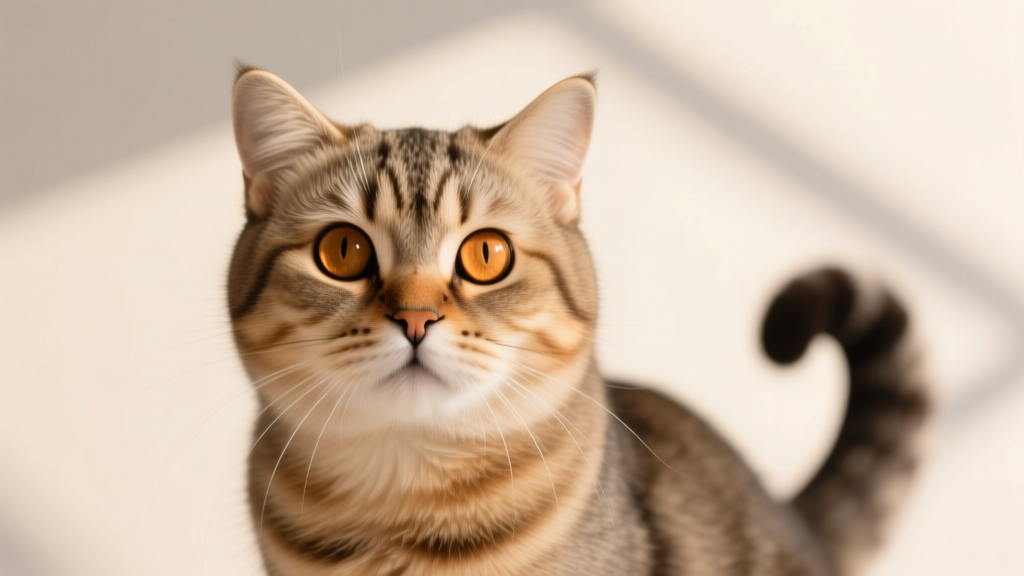
Highlander Cat: Curled Ears and Bobbed Tail
If you’ve ever wished for a cat that looks like a tiny wildcat but lives for couch cuddles and interactive play, the Highlander cat may steal your heart fast. With its trademark curled ears, a naturally bobbed tail, and an athletic, “ready for adventure” build, this breed turns heads the moment it pads into a room.
Looks aren’t the whole story, though. Highlanders are known for being outgoing, people-oriented, and delightfully curious—often the first to investigate a new box, greet a visitor, or “help” you with chores. They’re the kind of cat that can keep up with a busy household, then happily settle in for a warm nap nearby.
Whether you’re a breed researcher, a cat enthusiast, or you’re genuinely considering bringing home a Highlander kitten, this guide covers the breed’s history, appearance, temperament, care, and what day-to-day life is like with these charismatic curled-eared companions.
Breed History and Origin
The Highlander cat is a relatively new breed developed in the United States. Early breeding programs aimed to create a domestic cat with a bold, wild-inspired look—think strong body, spotted or marbled patterns, and a short tail—while maintaining a friendly, family-ready temperament.
Highlanders are associated with foundation breeding that included cats with bobtail traits and curled ears. You’ll sometimes see the breed referenced under related or earlier names in breed communities, reflecting how developing breeds evolve as traits become more consistent. Today, the Highlander is best known for two signature features:
- Curled ears (a backward curl that gives an alert, expressive look)
- Bobbed tail (naturally short; length and shape can vary)
Because this breed is still considered “new” compared with long-established pedigrees, you may notice variations in size, coat type, and markings. Reputable breeders focus on healthy structure, stable temperament, and consistent breed traits rather than exaggerating any single feature.
Physical Characteristics
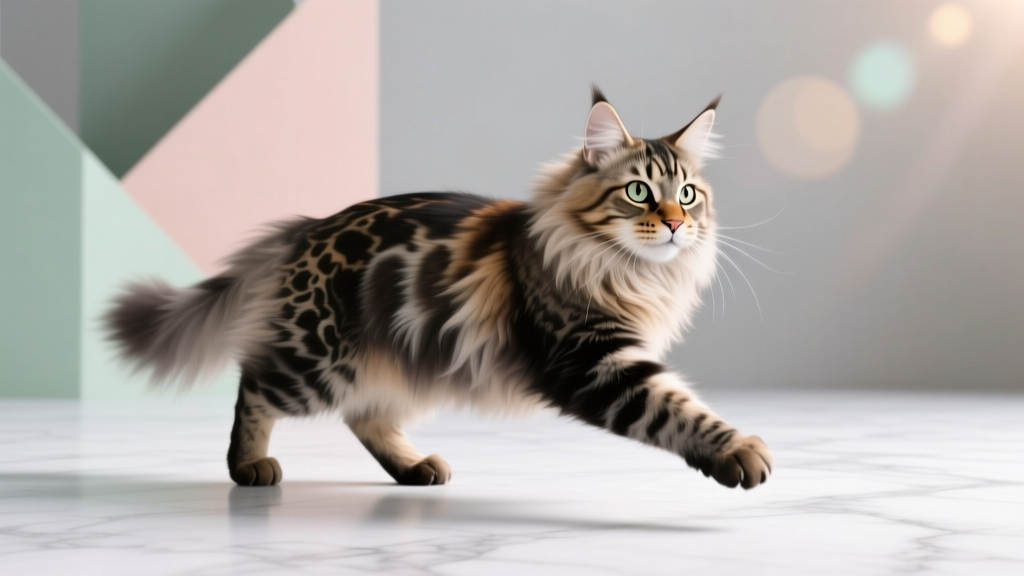
Highlander cats look like mini athletes: sturdy, muscular, and built for movement. They often have a broad chest, strong legs, and substantial bone—especially in males. The overall impression is powerful but balanced, with a playful “big cat” vibe that’s still unmistakably domestic.
| Feature | Typical Highlander Traits |
|---|---|
| Size | Medium to large; sturdy, athletic build |
| Weight | Often ~10–20 lbs (4.5–9 kg), with males commonly larger |
| Coat | Can be shorthaired or longhaired; plush, resilient texture |
| Colors & patterns | Wide range; spotted and marbled “wild-type” patterns are especially popular |
| Distinctive features | Curled ears; bobbed tail; expressive eyes; strong muzzle |
Coat and Colors
Highlander coats can be short or long, and many have a dense, plush feel that suits their rugged appearance. Patterns that mimic wildcats—such as spots, rosettes, and marbling—are often associated with the Highlander look, though the breed can appear in a broad variety of colors.
Curled Ears and Bobbed Tail: What to Expect
- Curled ears: The ears curl backward rather than folding forward. The curl can range from subtle to dramatic. Good breeding prioritizes healthy ear structure—ears should look clean, open, and comfortable.
- Bobbed tail: The tail is naturally short, and it may be straight, gently kinked, or slightly curved. Tail length varies from cat to cat. As with any bobtail-type breed, ethical breeding focuses on overall spine and tail health, not extremes.
Personality and Temperament Traits
Highlander cats tend to be social, playful, and very tuned in to their people. If you like cats with presence—cats that greet you, follow you, and genuinely want to be part of the action—this breed often fits the bill.
Common temperament highlights include:
- People-oriented: Many Highlanders bond closely with their families and enjoy being nearby (sometimes right in the middle of things).
- Confident and curious: New rooms, new toys, and new guests are usually met with interest rather than fear.
- Playful into adulthood: Expect a cat that still wants interactive play sessions well past kittenhood.
- Smart and trainable: Many learn routines quickly and may enjoy clicker training, puzzle feeders, and leash practice with the right introduction.
- Communicative: Some are chatty or expressive, using chirps and trills to “talk” to their humans.
Because Highlanders can be so engaged, they generally do best in homes where they’ll receive daily interaction. If you want a cat who is happiest as a low-contact roommate, a Highlander may feel a bit too involved.
Health Considerations and Common Issues
Highlanders are often described as robust, but they’re still a developing breed, and individual health can vary by bloodline and breeder practices. The best approach is to work with a reputable breeder who prioritizes health screening, responsible pairings, and strong early socialization.
Potential health considerations to discuss with a breeder or veterinarian include:
- Ear health: Curled ears can sometimes collect debris more easily. Regular checks help prevent wax buildup or irritation.
- Tail/spine structure: With any bobtail trait, responsible breeding aims for sound structure. Ask about any history of spinal issues in the line.
- Weight management: Highlanders can be large and food-motivated. Extra pounds can strain joints over time.
- Dental health: Like many cats, they can be prone to tartar and gum inflammation without routine care.
Your best “health insurance” is preventive care: routine vet visits, parasite control, dental checks, high-quality nutrition, and a lifestyle that keeps your Highlander active and lean.
Care Requirements
Grooming
Grooming needs depend on coat length, but Highlanders are generally manageable with simple routines:
- Shorthaired Highlander: Brush 1–2 times per week to remove loose hair and keep the coat glossy.
- Longhaired Highlander: Brush 2–4 times per week (more during shedding seasons) to prevent tangles and reduce hairballs.
- Ear checks: Look in the ears weekly. If you see wax buildup, ask your vet for a safe cleaning routine and product.
- Nail trims: Every 2–4 weeks, depending on growth and scratching habits.
- Dental care: Brush teeth if your cat will tolerate it; otherwise use vet-approved dental supports (and schedule professional cleanings when recommended).
Exercise and Enrichment
Highlanders thrive when they can climb, chase, and “hunt” toys. Plan for daily play—many do best with multiple short sessions.
- Interactive play: Wand toys, fetch-style games, and kicker toys help burn energy.
- Climbing options: Cat trees, wall shelves, and window perches keep them busy and confident.
- Puzzle feeders: Great for brainwork and slowing down fast eaters.
- Training: Many Highlander cats enjoy clicker training, learning “sit,” “touch,” or going into a carrier calmly.
Diet
Choose a complete and balanced diet that fits your cat’s age and activity level. Because Highlanders can be muscular and energetic, many do well with protein-forward nutrition, but portion control matters—especially for indoor cats.
- Measure meals: Avoid free-feeding if your cat gains weight easily.
- Prioritize hydration: Wet food or a mix of wet and dry can support water intake; fountains help many cats drink more.
- Monitor growth: Kittens may grow for a while; adjust calories with your vet’s guidance to support steady, healthy development.
Compatibility with Families, Children, and Other Pets
Highlander cats are often a strong match for active families because they enjoy attention and play. With proper introductions and respectful handling, they can do beautifully with children and other animals.
- Families and kids: Generally tolerant and playful. Teach children to avoid tugging tails/ears and to let the cat walk away when it wants space.
- Other cats: Often social, especially if introduced slowly and given multiple resources (litter boxes, food stations, vertical spaces).
- Dogs: Many Highlanders can coexist well with cat-savvy dogs. A gradual introduction and safe escape routes are key.
- Small pets: Like most cats, they may have a strong prey drive. Keep birds, rodents, and reptiles securely housed.
If you work long hours or travel frequently, consider whether your Highlander will have enough daily interaction. Many do best with a companion pet or a household schedule that includes regular playtime.
Pros and Cons of Owning a Highlander Cat
| Pros | Cons |
|---|---|
| Distinctive look: curled ears and bobbed tail | Needs daily engagement; can get bored if understimulated |
| Friendly, confident, people-focused temperament | Curled ears may require extra ear checks/cleaning |
| Playful and trainable; enjoys interactive games | Large, athletic body needs space and enrichment |
| Often does well in family settings with proper introductions | Breed availability can be limited; breeder selection matters a lot |
| Short or long coat options to fit grooming preferences | Can be food-motivated; weight management may take effort |
FAQ: Highlander Cat
Are Highlander cats hypoallergenic?
No cat breed is truly hypoallergenic. Highlander cats can have short or long coats, and individuals vary in how they affect allergy sufferers. If allergies are a concern, spend time with the breed before committing and talk with your doctor.
Do Highlander cats’ curled ears cause problems?
Curled ears don’t automatically mean trouble, but they can collect wax and debris more easily in some cats. Weekly ear checks and vet-guided cleaning (when needed) usually keep things in great shape.
How big do Highlander cats get?
Most Highlanders are medium to large, commonly around 10–20 pounds, with males frequently larger. Their muscular build can make them feel heavier than they look.
Is the Highlander cat good with children?
Often, yes. Many Highlanders enjoy play and attention, which can make them a fun family cat. The key is teaching gentle, respectful handling and giving the cat quiet spaces when it wants downtime.
Do Highlander cats need a lot of exercise?
They do best with daily interactive play and climbing opportunities. Think of the Highlander as a cat who appreciates a “job,” whether it’s chasing a wand toy, solving a puzzle feeder, or practicing simple training cues.
What’s the difference between a Highlander and other bobtail cats?
The Highlander is especially known for combining a bobbed tail with curled ears and a bold, wild-style look. Other bobtail breeds may have different ear shapes, coat types, and breed histories.
Living with a Highlander: The Big-Cat Look, the Best-Friend Energy
A Highlander cat brings a lot to the table: a striking silhouette, an adventurous spirit, and a social nature that makes many owners feel like they gained a furry sidekick. When they have the right mix of attention, play, and routine care—especially ear checks and healthy weight support—Highlanders can be affectionate, entertaining companions for years.
If the idea of a curled-eared, bobtailed charmer sounds like your kind of cat, keep exploring and comparing breeds until you find the perfect match for your home and lifestyle. Visit catloversbase.com for more cat breed profiles, care guides, and whisker-approved inspiration.