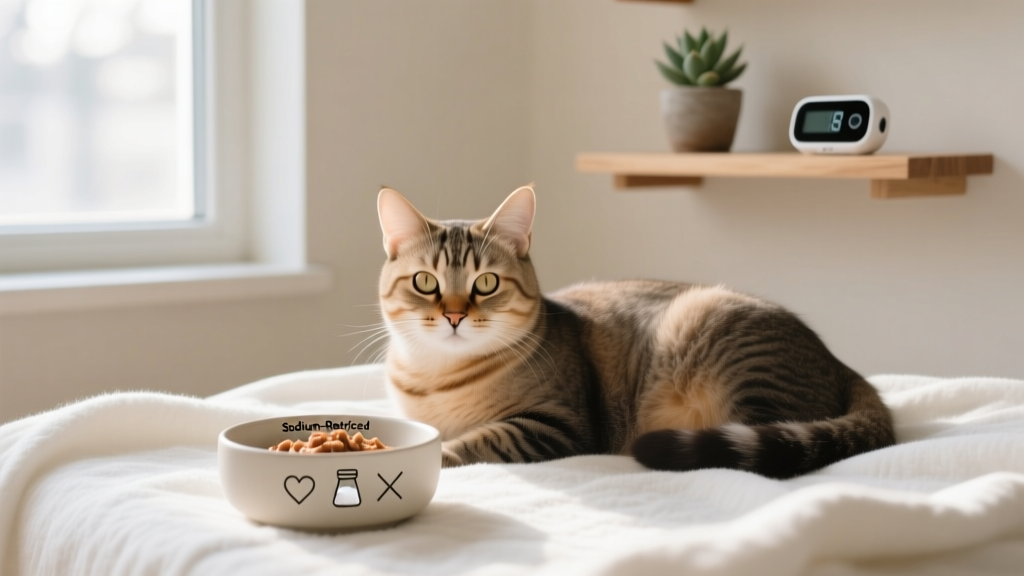
Feeding Cats With Heart Disease: Sodium-Restricted Diet
1) Why this nutrition topic matters for cat health
Heart disease in cats—most commonly hypertrophic cardiomyopathy (HCM), but also congenital defects, restrictive cardiomyopathy, or heart failure—changes how the body manages fluids, blood pressure, and circulation. Nutrition cannot “cure” heart disease, yet it can support a more stable cardiovascular workload and improve quality of life alongside veterinary care. One of the most common diet questions cat owners ask is whether sodium should be restricted.
Sodium affects fluid balance. In certain heart conditions, too much sodium can promote fluid retention and worsen congestion (fluid buildup in the lungs or body cavities). On the other hand, overly aggressive sodium restriction may stimulate hormones that cause the body to hold onto sodium and water, potentially counteracting the goal and complicating overall management. The practical takeaway: sodium management for cats with heart disease should be thoughtful, targeted, and guided by your veterinarian—especially if your cat is on heart medications.
2) Scientific background: feline nutritional needs and obligate carnivore biology
Cats are obligate carnivores with unique nutrient requirements shaped by a meat-based evolutionary diet. When planning any therapeutic diet—including sodium-restricted feeding—these fundamentals still apply:
- High protein need: Cats rely heavily on dietary amino acids for energy and require higher protein than omnivores. Protein quality matters (animal-based, highly digestible).
- Essential nutrients from animal tissue: Taurine, preformed vitamin A, arachidonic acid, and certain B vitamins are critical. Taurine is especially relevant to heart health; deficiency can cause dilated cardiomyopathy (DCM). Commercial cat foods must meet taurine requirements, but homemade diets can miss this without careful formulation.
- Limited carbohydrate requirement: Cats can digest carbs, but they have no dietary carbohydrate requirement. Many cats with heart disease also have concurrent conditions (kidney disease, obesity) that influence carb choices.
- Water intake is a nutrition issue: Many cats naturally drink little. Wet foods typically increase water intake, which can be helpful or must be carefully managed depending on the cat’s fluid status and medications.
Sodium is an essential mineral for nerve function and fluid balance. The goal in cardiac patients is not “zero sodium,” but an appropriate level that supports overall management without creating nutritional imbalances or triggering counterproductive hormonal responses.
3) Evidence-based analysis: sodium and feline heart disease
How sodium affects the body
Sodium is the main extracellular electrolyte. It influences:
- Fluid volume and blood pressure via water retention
- Neurohormonal activity (e.g., RAAS: renin-angiotensin-aldosterone system)
- Kidney handling of water and electrolytes
When sodium restriction may help
In cats with congestive heart failure (CHF) or those prone to fluid accumulation (pulmonary edema, pleural effusion, ascites), reducing dietary sodium may help limit fluid retention. Most veterinary cardiology guidance treats sodium restriction as a supportive tool, not a standalone therapy. Many cats with CHF receive diuretics (such as furosemide), and diet becomes part of a larger plan that includes medications, monitoring, and sometimes oxygen therapy during crises.
When sodium restriction may not be beneficial—or could be counterproductive
For cats with asymptomatic or mild heart disease (for example, stable HCM without CHF), the evidence for strict sodium restriction is limited. Very low sodium intake can activate RAAS, encouraging sodium and water retention. This is one reason many veterinary therapeutic cardiac diets aim for moderate sodium restriction rather than severe restriction.
The bigger picture: nutrients that often matter alongside sodium
Cardiac nutrition is more than sodium alone. Depending on the individual cat and diagnosis, your veterinarian may also discuss:
- Taurine: Essential for normal heart function. Most complete commercial cat foods contain adequate taurine; homemade diets require precise supplementation.
- Omega-3 fatty acids (EPA/DHA): May support anti-inflammatory pathways, appetite, and muscle maintenance in some chronic diseases. Dosing should be veterinarian-guided to avoid GI upset or bleeding risk in certain situations.
- Potassium and magnesium: Diuretics can alter electrolytes. Bloodwork monitoring is often needed.
- Calories and muscle mass: Some cats with advanced disease lose weight or muscle. Underfeeding can worsen outcomes; palatability matters.
- Kidney function: Heart disease and kidney disease can intersect (and diuretics can complicate hydration). Sodium goals may change if chronic kidney disease (CKD) is present.
What “sodium-restricted” really means in practice
Pet food labels rarely make sodium easy to compare. Sodium might be listed as:
- % sodium on an “as fed” basis
- % sodium on a dry matter basis (DMB) in technical sheets
- mg/100 kcal (very useful for comparing foods with different moisture/calorie density)
For heart disease management, mg sodium per 100 kcal is often the most practical comparison because it reflects what the cat actually eats to meet energy needs.
| Way sodium is reported | Pros | Cons | Best use |
|---|---|---|---|
| % As-fed | Sometimes appears on labels | Hard to compare wet vs dry; moisture skews numbers | Rough within-category comparison only |
| % Dry matter (DMB) | Allows comparison across wet/dry | Requires math or manufacturer data | Comparing foods accurately |
| mg/100 kcal | Directly tied to intake | Often requires manufacturer request | Best metric for cardiac diet planning |
Your veterinarian or a veterinary nutritionist can help define an appropriate sodium target based on your cat’s stage of disease, medications, appetite, body condition, and concurrent illnesses.
4) Practical recommendations for cat owners
Core feeding goals for cats with heart disease
- Meet energy needs consistently: Prevent unintentional weight loss unless weight loss is a planned medical goal.
- Protect lean muscle: Prioritize high-quality animal protein unless restricted for another condition under veterinary direction.
- Moderate sodium thoughtfully: Avoid high-sodium foods and treats; consider a therapeutic diet if CHF is present or recommended.
- Maintain hydration appropriately: Wet food can help many cats, but fluid status in CHF can be delicate—follow your vet’s plan.
Foods and items to avoid (common sodium traps)
- Deli meats, ham, bacon, sausage
- Cheese and salted dairy snacks
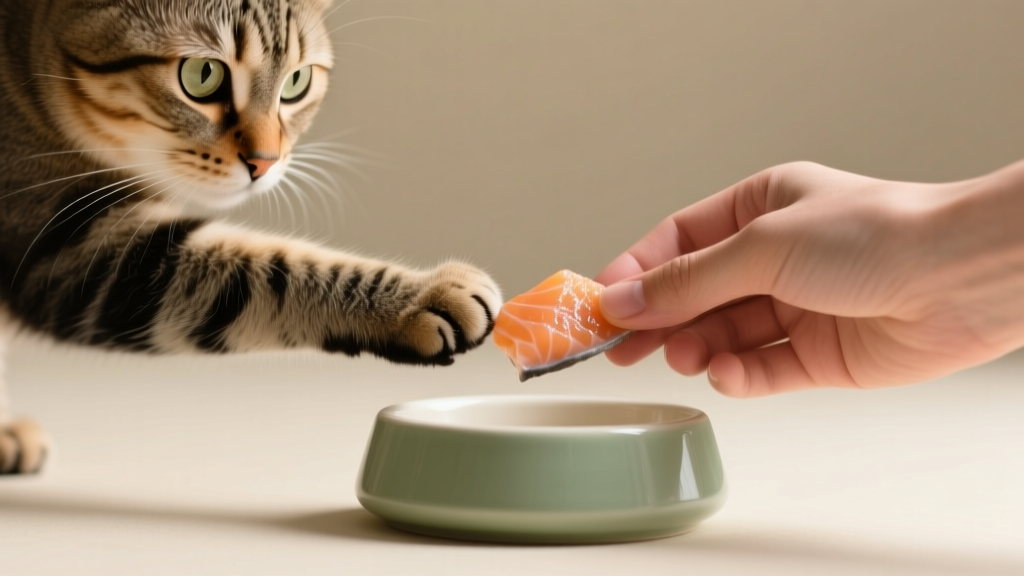
- Canned tuna or salmon packed for humans (especially brined or salted)
- Broths/stock cubes, gravy packets, soups
- Many freeze-dried treats with added salt or “flavor enhancers”
- Table scraps and restaurant leftovers
Better treat ideas (still ask your vet first)
- Single-ingredient freeze-dried meat treats with no salt added (verify sodium if possible)
- Small portions of the cat’s therapeutic diet as “treats”
- Cooked plain meat (no salt, no seasoning), in tiny amounts, if it fits the overall plan
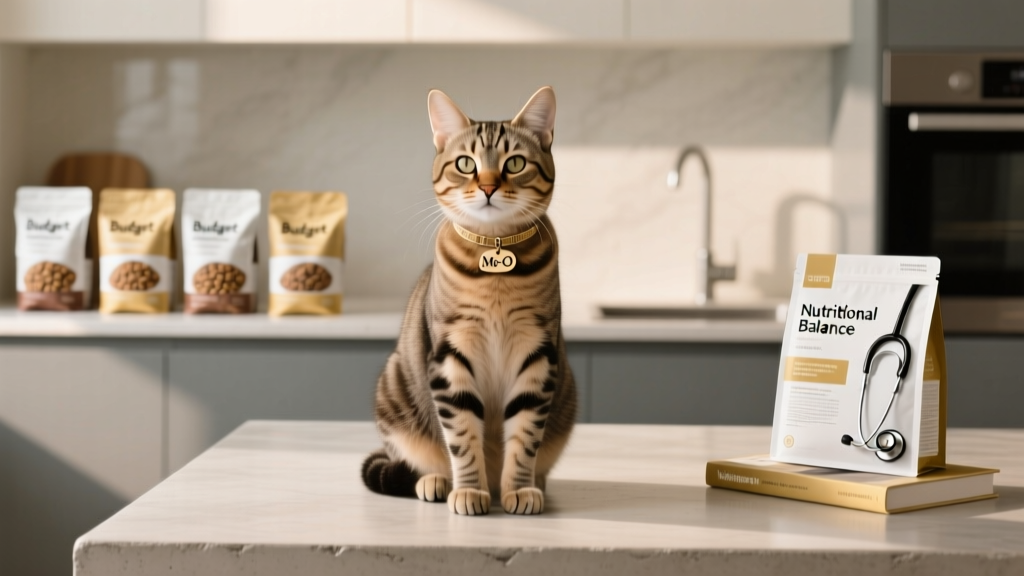
5) Comparing options: commercial therapeutic diets vs over-the-counter vs homemade
| Approach | Pros | Cons | Best fit |
|---|---|---|---|
| Veterinary therapeutic cardiac diet (moderate sodium restriction) | Designed for medical use; nutrient-balanced; often includes omega-3s and controlled minerals | Cost; some cats resist taste/texture; requires veterinary guidance | Cats with CHF or cats whose cardiologist recommends sodium control |
| Over-the-counter “low sodium” or “healthy” diets | Easy to buy; more flavor variety | Not truly therapeutic; sodium may still be high; limited transparency | Mild disease where vet prefers no strict restriction but wants to avoid high sodium |
| Homemade diet | Can tailor sodium and texture; useful for picky eaters | High risk of nutrient imbalance (taurine, calcium, vitamins); requires formulation by a veterinary nutritionist | Complex cases when commercial options fail and owner can commit to precise recipes |
If you’re choosing between wet and dry formats, wet diets often help with water intake and can be easier for some cats to eat. Dry diets can be more calorie-dense and convenient. The best choice is the one your cat will reliably eat that meets the nutrient profile recommended by your veterinarian.
6) Common mistakes and misconceptions to avoid
- Myth: “All cats with heart disease must be on the lowest sodium possible.”
Fact: The ideal level depends on disease stage (especially whether CHF is present), medications, kidney function, and appetite. Excessively low sodium can stimulate RAAS and may not be beneficial for stable, asymptomatic cats. - Mistake: Switching foods repeatedly when appetite dips.
Frequent changes can create food aversions and GI upset. If appetite changes suddenly, call your vet—this can signal disease progression, medication side effects, nausea, or another illness. - Myth: “Grain-free or boutique diets are better for the heart.”
Fact: Heart-supportive nutrition is about balanced essential nutrients (including taurine) and appropriate mineral control. Diet quality and formulation matter more than marketing terms. Cats have different DCM risk factors than dogs, but nutritional adequacy is still non-negotiable. - Mistake: Using human broths or salty “toppers” to tempt eating.
These can spike sodium intake. If your cat needs enticement, ask your vet for safer strategies (warming food, texture changes, prescription appetite stimulants when appropriate). - Myth: “If my cat is on a diuretic, sodium doesn’t matter.”
Fact: Diuretics help remove fluid, but diet can still influence fluid balance and overall management. Your vet will balance medications, diet, and monitoring.
7) How to implement changes safely (transition tips)
Cats can be sensitive to diet changes. For cardiac patients, stability matters—both for appetite and for consistent medication routines.
- Get a clear plan first: Ask your veterinarian what level of sodium restriction is appropriate and whether a specific therapeutic diet is recommended.
- Transition gradually (7–10 days, sometimes longer):
- Days 1–2: 75% old food + 25% new
- Days 3–4: 50% old + 50% new
- Days 5–6: 25% old + 75% new
- Day 7+: 100% new food
- Warm wet food slightly: Warming increases aroma and can improve intake without adding sodium.
- Track what matters: Appetite, breathing rate at rest, body weight, litter box habits, and energy level. Report changes promptly.
- Avoid abrupt treat changes: Treats can sabotage sodium goals. Keep treats consistent and minimal, or use the main diet as treats.
If your cat refuses the new food for more than 24 hours (or sooner if your cat is elderly, has diabetes, liver disease risk, or is prone to hepatic lipidosis), contact your veterinarian right away. Prolonged fasting is dangerous for cats.
8) Special considerations (age, health conditions, activity level)
Senior cats
Older cats commonly have multiple conditions at once (CKD, hyperthyroidism, arthritis). Sodium targets may change depending on kidney function and blood pressure. Senior cats also have a higher risk of muscle loss, making adequate protein and calories a priority unless your vet advises otherwise.
Chronic kidney disease (CKD)
CKD diets often involve controlled phosphorus and sometimes altered sodium. The right plan depends on kidney stage, blood pressure, and whether CHF is present. Combining “heart” and “kidney” goals can be tricky—this is a situation where veterinary guidance is essential.
Hyperthyroidism
Hyperthyroidism can increase heart rate, blood pressure, and appetite changes. Your veterinarian may prioritize treating thyroid disease as part of cardiac management. Diet changes should not delay medical therapy.
Obesity or low activity level
Extra body weight increases cardiac workload. If weight loss is recommended, it should be slow and supervised to protect muscle mass and avoid hepatic lipidosis. Using a food measured by calories (not just volume) and minimizing treats is often more effective than aggressive restriction.
Medication interactions and electrolyte monitoring
Diuretics and other cardiac medications can affect hydration and electrolytes (potassium, sodium, magnesium). Routine rechecks and lab work help your veterinarian fine-tune both diet and medication dosing.
9) FAQ: Feeding cats with heart disease and sodium restriction
How do I know if my cat needs a sodium-restricted diet?
The best indicator is your veterinarian’s staging and diagnosis. Cats with congestive heart failure or fluid accumulation are more likely to benefit from controlled sodium intake. Cats with mild, stable disease may only need to avoid high-sodium extras rather than go on a strict therapeutic diet.
Is wet food automatically lower in sodium than dry food?
Not always. Wet foods can look lower on an as-fed label because of moisture, but the sodium per calorie can still be high. When possible, compare foods by mg sodium per 100 kcal or request nutrient data from the manufacturer.
Can I feed homemade food to control sodium better?
Only with professional formulation. Homemade diets frequently end up deficient in taurine, calcium, essential fatty acids, or vitamins if they are not designed by a veterinary nutritionist. If homemade feeding is your goal, ask your vet for a referral to a board-certified veterinary nutritionist (DACVIM-Nutrition or ECVCN).
Are fish-based foods good for heart disease because of omega-3s?
Omega-3s (EPA/DHA) can be helpful, but “fish-based” doesn’t guarantee an effective or safe dose—and some fish products for humans are high in sodium. Use veterinary-approved foods or supplements and get dosing guidance, especially if your cat is on multiple medications.
Should I remove all treats if my cat has heart disease?
Not necessarily, but treats should be limited and chosen carefully. A simple strategy is to use a portion of the daily measured food as treats. If you use commercial treats, choose low-sodium options and keep treats to a small percentage of total daily calories.
What’s the biggest diet red flag in a cardiac cat?
A sudden drop in appetite or increased breathing effort. These can indicate worsening disease, medication side effects, or complications like fluid buildup. Contact your veterinarian promptly rather than trying to “fix it” with salty toppers or frequent diet switches.
Veterinary guidance is non-negotiable for cardiac cats. The right sodium level—and the right overall diet—depends on your cat’s diagnosis, stage of disease, medications, kidney function, body condition, and appetite. Work with your primary vet and, when available, a veterinary cardiologist to choose the safest plan.
If you want more practical, science-based feeding help for your cat, explore more nutrition guides on catloversbase.com.