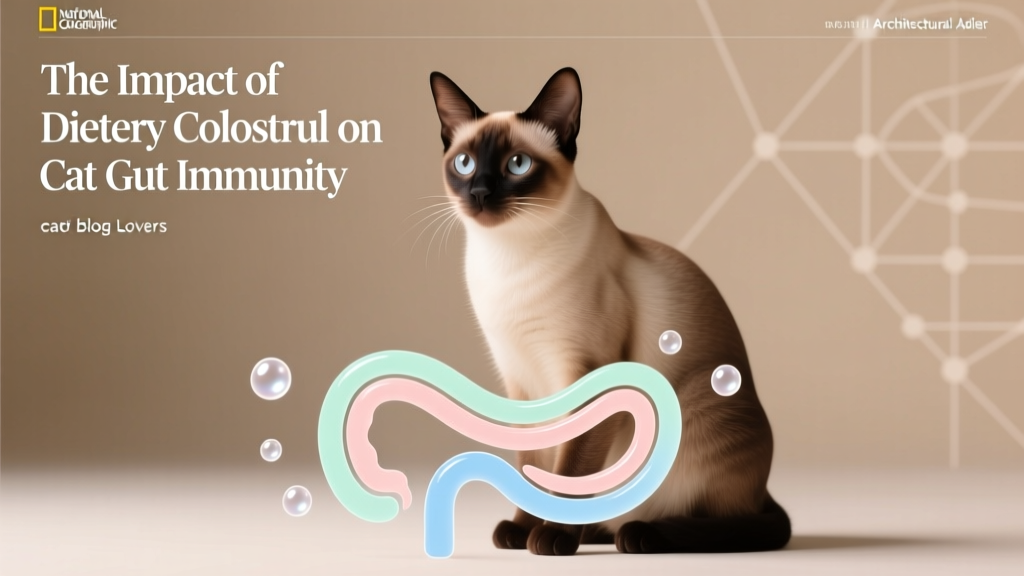
The Impact of Dietary Colostrum on Cat Gut Immunity
1) Can colostrum “boost” my cat’s immune system?
It’s more accurate to say colostrum may support gut immune function and barrier health in some cases. In adult cats, the effect is mainly local in the intestines, not a whole-body immune “upgrade.” For targeted immune protection, rely on vaccines, parasite prevention, good nutrition, and veterinary care.
2) Is bovine colostrum safe for cats?
Many cats tolerate it, but safety depends on the individual cat and product quality. Potential issues include diarrhea (lactose sensitivity), reactions to bovine proteins, and calorie excess. Always check with your veterinarian, especially for cats with chronic disease or a history of food sensitivities.
3) Should I choose colostrum instead of probiotics?
They’re different tools. Probiotics aim to influence the microbiome directly with beneficial strains. Colostrum provides immune-active proteins and peptides that may support the gut lining and local defenses. Some cats do well with one or the other; some plans use both. Your veterinarian can help decide based on symptoms and history.
4) How long does it take to see results?
If colostrum helps, some owners notice changes in stool quality within 1–3 weeks. For a fair trial, aim for about 2–4 weeks, provided your cat is stable and your veterinarian agrees. If there’s no improvement, stop and reassess the overall plan.
5) Can I use colostrum for chronic diarrhea?
Chronic diarrhea should be treated as a medical problem first, not a supplement problem. Parasites, dietary intolerance, inflammatory bowel disease, infections, and endocrine disorders are common causes. Colostrum might be used as an adjunct after diagnosis and under veterinary supervision, but it should not delay testing.
6) Are there cats who should not take colostrum?
Cats with known dairy/bovine protein reactions, kittens without veterinary direction, and cats with complex immune-mediated disease should only use it if a veterinarian approves. Any cat with severe or worsening GI signs needs prompt veterinary care.
Bottom line: Dietary colostrum may support gut immunity in some cats as part of a broader, evidence-based nutrition plan—but it’s optional, not essential, and it works best when used thoughtfully, with clear goals and veterinary guidance. For more practical, vet-informed feeding tips and supplement guides, explore the nutrition library on catloversbase.com.