Why Cats Prefer Food Served on Ceramic Over Plastic Plates
1) Why this topic matters for cat health
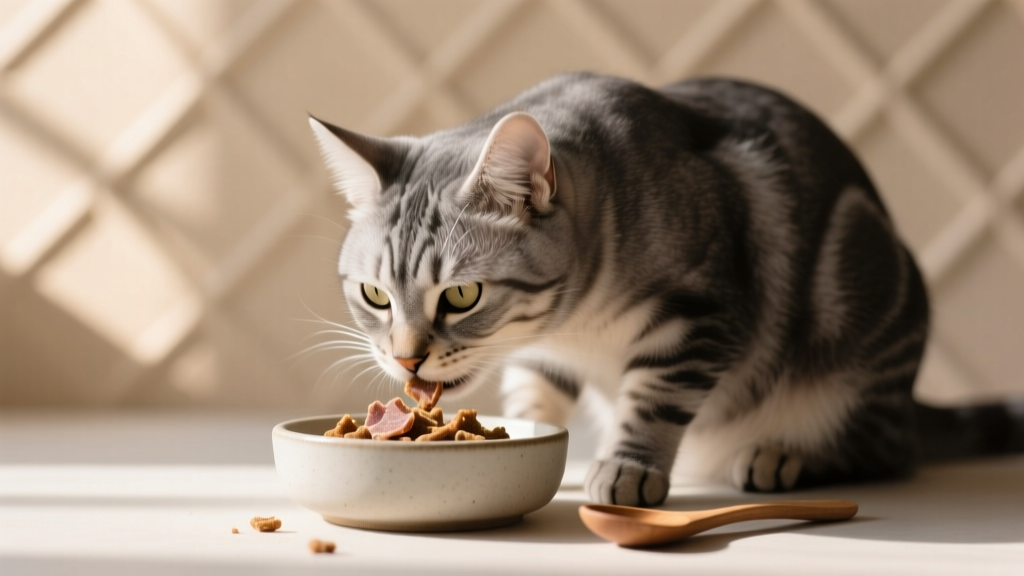
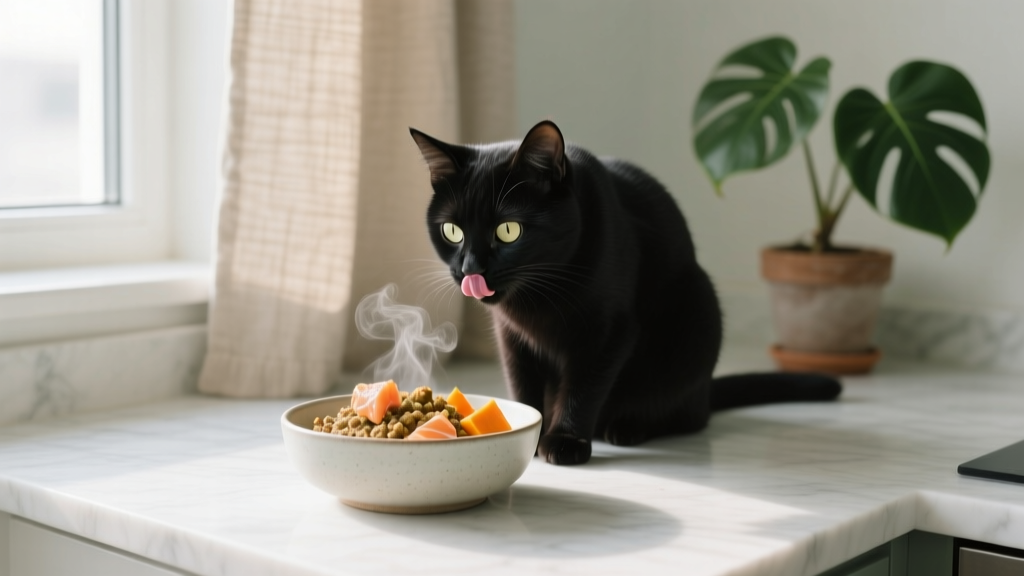
Food quality gets most of the attention in feline nutrition, but the dish you serve it in can also influence how much your cat eats, how comfortable they feel at meals, and even their skin and digestive health. Many cats consistently eat better from ceramic than from plastic, and that preference can have practical consequences:
- Better intake and hydration for cats who are picky, stressed, or prone to urinary issues.
- Lower risk of “feline acne” (chin comedones) and irritation linked to bacteria and residue on porous, scratched plastic.
- Improved food safety by reducing odor retention and biofilm buildup that can make food smell “off.”
- Less whisker stress when ceramic plates are wider and shallower than typical plastic bowls.
When cats eat less than they should, the stakes are high. Cats can develop hepatic lipidosis (fatty liver disease) after even a few days of poor intake, especially if overweight. If changing a bowl helps a cat eat reliably, it becomes a meaningful nutrition tool—alongside appropriate diet selection and veterinary guidance.
2) Scientific background: feline nutritional needs and feeding behavior
Cats are obligate carnivores. Their metabolism and nutrient requirements are adapted to a prey-based diet:
- High protein requirement with specific essential amino acids like taurine and arginine.
- Dietary fat as a key energy source, plus essential fatty acids (including arachidonic acid).
- Low carbohydrate tolerance compared with omnivores; cats have limited ability to upregulate carbohydrate-processing enzymes.
- Strong reliance on smell (olfaction) to evaluate food; aroma drives appetite more than taste.
- Natural preference for frequent small meals rather than one or two large feedings.
Because smell and texture are so influential, anything that alters the aroma of food—like a plate that retains odors or detergents—can change a cat’s willingness to eat. Cats also show strong “neophobia” (caution with new foods or new feeding setups), which explains why a simple bowl swap can suddenly improve or worsen intake. The goal is to make the eating experience predictable, clean-smelling, comfortable, and safe.
3) Detailed analysis: why ceramic often wins over plastic
3.1 Odor retention and food palatability
Plastic is more likely to hold onto odors from:
- fats in wet food (rancidity-prone lipids)
- fish-based diets (strong volatile compounds)
- dish detergents or fragrance residues
- previous meals (especially in micro-scratches)
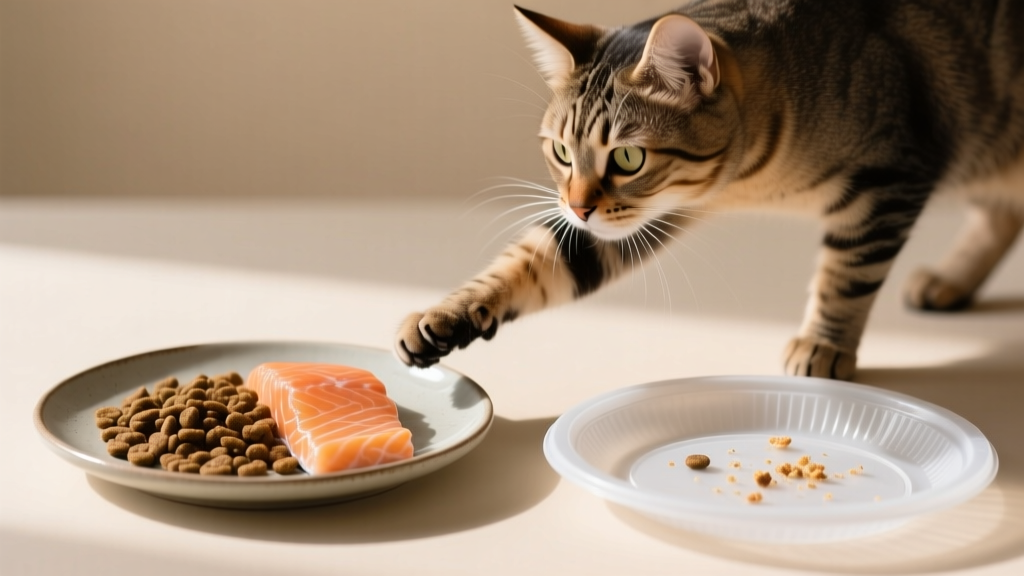
Ceramic (especially with an intact glaze) is relatively non-porous and less likely to retain odors. Since cats “eat with their nose,” even mild lingering smells can make food seem stale or unfamiliar—prompting refusal or hesitant eating.
3.2 Biofilm and bacterial buildup in scratches
With repeated use, plastic bowls develop microscopic scratches. Those scratches can shelter bacteria and form a biofilm, which is harder to remove with typical rinsing. This can create a cycle: a bowl that looks clean still carries residue and odor, encouraging more bacterial growth, and potentially irritating the skin around the mouth and chin.
Ceramic plates are typically easier to clean thoroughly. Many are dishwasher-safe, and their smoother surface (when the glaze is intact) resists scratching compared with plastic.
3.3 Feline acne and contact irritation
“Feline acne” commonly appears as blackheads or crusty bumps on the chin and lip margins. While acne has multiple contributing factors (stress, immune response, grooming, genetics), bowl material and hygiene are frequent practical triggers. Plastic bowls are often implicated because they can harbor bacteria and oils.
Switching to ceramic or stainless steel, combined with improved washing routines, is a widely used veterinary recommendation for cats with recurrent chin irritation. If your cat has persistent acne, consult your veterinarian—secondary bacterial infection sometimes needs medical treatment.
3.4 Whisker fatigue (whisker stress) and plate shape
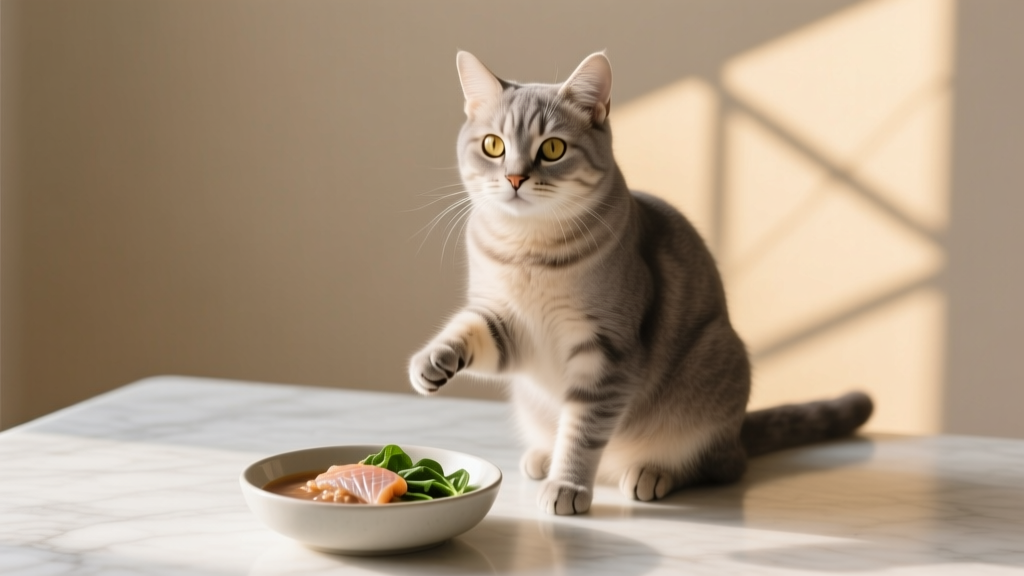
Many plastic dishes are deeper bowls with relatively narrow openings. Cats’ whiskers are sensitive; repeated contact with bowl sides can be unpleasant for some cats and may reduce intake. Ceramic “cat plates” are often designed as wide, shallow dishes that keep whiskers free and make it easier to lap gravy or pick up pieces.
3.5 Temperature and texture experience
Ceramic has more thermal mass than thin plastic. That means it can:
- feel cooler and more stable
- help keep wet food slightly less “warm” in hot rooms
- avoid the “plasticky” mouthfeel some cats seem to dislike
Food temperature affects aroma release. Slight warming can increase aroma and improve acceptance for some cats, but if the dish itself holds odors or detergent, that aroma boost can backfire. With ceramic, you’re more likely to get “food aroma” without “bowl aroma.”
3.6 Chemical concerns: what about plastic safety?
High-quality, food-grade plastics are generally considered safe for pets when used properly, but practical issues remain:
- Heat (dishwashers, hot water, microwaving) can degrade plastics faster and increase scratching.
- Older plastics may be lower quality or have unknown additives.
- Damage and wear increase odor retention and biofilm risk even if the plastic itself is food-safe.
This isn’t meant to cause alarm. It’s a risk-management issue: if ceramic reduces odor, residue, and surface wear, it often supports more consistent eating and easier sanitation.
5) Comparison of options/products/approaches
| Option | Pros | Cons | Best for |
|---|---|---|---|
| Ceramic plate/bowl (glazed) | Low odor retention; easy to clean; often wide/shallow; heavier (stable) | Can chip/crack; some glazes vary in quality; heavier to handle | Picky eaters; cats with chin irritation; wet-food households |
| Stainless steel bowl | Very hygienic; durable; dishwasher-safe; minimal odor retention | Can be noisy; lighter bowls may slide; shape sometimes narrow | Most cats; multi-cat homes; owners prioritizing sanitation |
| Glass dish | Non-porous; odor-resistant; easy to sanitize | Breakable; can slide; fewer pet-specific shapes | Owners wanting non-porous material with easy cleaning |
| Plastic bowl | Inexpensive; lightweight; widely available | Scratches/biofilm; odor retention; more linked with chin acne; degrades faster | Temporary use; travel (short-term) if cleaned thoroughly and replaced often |
4) Practical recommendations for cat owners
- Choose wide, shallow dishes (plate-style) to minimize whisker contact, especially for wet food.
- Pick glazed ceramic with a smooth, intact finish. Avoid bowls with cracks, crazing (fine surface lines), or chips.
- Use dishwasher-safe options when possible. Heat and detergent help remove oils more effectively than quick hand rinses.
- Wash after every meal for wet food; at least daily for dry food bowls.
- Keep a rotation of 2–4 dishes per cat so a clean dish is always available.
- Separate food and water stations. Many cats drink more when water is placed away from food, which supports urinary tract health.
6) Common mistakes and misconceptions to avoid
- Myth: “If the bowl looks clean, it is clean.”
Reality: Oils from wet food can leave a thin film that holds odor and bacteria. Micro-scratches in plastic can hide residue. - Myth: “Only food quality matters; bowls don’t affect nutrition.”
Reality: If a cat eats less due to bowl odor or discomfort, nutrient intake drops. Bowl choice can support consistent caloric and water intake. - Mistake: Using scented dish soap and not rinsing thoroughly.
Cats may avoid food that smells like fragrance. Choose unscented soap and rinse well. - Mistake: Microwaving food in plastic bowls.
Heat accelerates wear and can intensify residual odors. Warm food in a glass/ceramic container, then serve in the feeding dish. - Myth: “Whisker fatigue is fake.”
Reality: Not every cat is affected, but many show clear preference for wider dishes. If a plate change improves eating, it’s a practical win. - Mistake: Keeping chipped ceramic.
Chips create rough surfaces that trap bacteria and can cut mouths. Discard damaged dishes promptly.
7) How to implement changes safely (transition tips)
Changing bowls is low-risk, but sensitive cats may react to any change in their routine. Try a gradual, observation-based approach:
- Add, don’t remove (at first): Put the ceramic dish next to the current bowl for several meals. Offer the same food in both dishes.
- Watch intake closely: Ensure your cat continues eating normal amounts. Cats should not go without food.
- Keep the dish location consistent: Move one variable at a time (bowl material first; location later).
- Wash the new dish before first use: Remove manufacturing dust and any packaging odors.
- Use familiar cues: Serve at the same times and in the same quiet area to reduce stress.
When to call your vet quickly: if your cat refuses food for 24 hours (or less for kittens), seems lethargic, vomits repeatedly, drools, shows painful chewing, or has rapid weight loss. Appetite changes can signal dental disease, nausea, kidney disease, hyperthyroidism, or other medical problems unrelated to the bowl.
8) Special considerations (age, health conditions, activity level)
Kittens
- Use shallow dishes for easy access.
- Prioritize frequent cleaning; kittens can be messier eaters.
- Any appetite dip in a kitten warrants prompt veterinary attention.
Senior cats
- Consider slightly raised ceramic dishes to reduce neck strain, especially in cats with arthritis.
- Older cats may have reduced smell; minimizing bowl odors can help keep food appealing.
Cats with feline acne or skin allergies
- Switch from plastic to ceramic or stainless steel and sanitize daily.
- Discuss with your vet whether topical therapy, antimicrobial wipes, or diet adjustments are needed.
Cats with chronic kidney disease (CKD) or urinary issues
- Encouraging eating and drinking is a priority. A clean, odor-free dish can help reduce meal refusal.
- Use multiple water stations and consider a fountain (many cats prefer moving water).
- Follow your veterinarian’s nutrition plan for therapeutic diets; bowl changes support, but don’t replace, medical nutrition therapy.
Overweight or very active cats
- For weight management, consistent portion control matters most. If a bowl swap increases begging or meal speed, use a measured feeding routine.
- For fast eaters, consider ceramic slow-feeder plates (wide channels) rather than deep puzzle bowls that stress whiskers.
9) FAQ
Q1: Is ceramic always better than plastic for cats?
Not always, but it’s often a better practical choice because it’s easier to keep odor-free and sanitary. A high-quality stainless steel bowl can be just as good or better for hygiene. The “best” option is one your cat eats comfortably from and that you can clean thoroughly after every meal.
Q2: Can plastic bowls cause feline acne?
Plastic bowls are commonly associated with chin acne because scratches can harbor bacteria and oils, increasing irritation. Acne has multiple causes, so switching bowls is one step—consult your veterinarian if lesions persist, worsen, or look infected (red, swollen, oozing).
Q3: How often should I replace bowls?
Replace plastic bowls frequently, especially if scratched, cloudy, or smelly. Replace ceramic immediately if chipped, cracked, or crazed. Stainless steel can last a long time but should be replaced if deeply scratched or if rust appears.
Q4: My cat won’t eat from the new ceramic plate. What should I do?
Try offering the same food in both bowls side-by-side for a few days, and avoid changing location or diet at the same time. Ensure the ceramic dish is unscented, fully rinsed, and placed in a quiet spot. If appetite remains poor, contact your veterinarian to rule out medical causes.
Q5: Does dish shape matter as much as dish material?
For many cats, yes. A wide, shallow plate can reduce whisker contact and make eating more comfortable, especially with wet food. Material and shape work together: a wide ceramic plate often checks both boxes.
Q6: Are “antibacterial” bowls worth it?
Be cautious with marketing claims. Good hygiene (washing after meals, using non-porous materials, and replacing damaged dishes) is more reliable than coatings. If you’re considering a specialty product, discuss it with your veterinarian—especially for cats with allergies or skin disease.
For personalized nutrition and feeding setup advice—especially if your cat has medical conditions, recurring chin acne, vomiting, or appetite changes—consult your veterinarian or a board-certified veterinary nutritionist. Explore more cat nutrition guides and practical feeding tips on catloversbase.com.