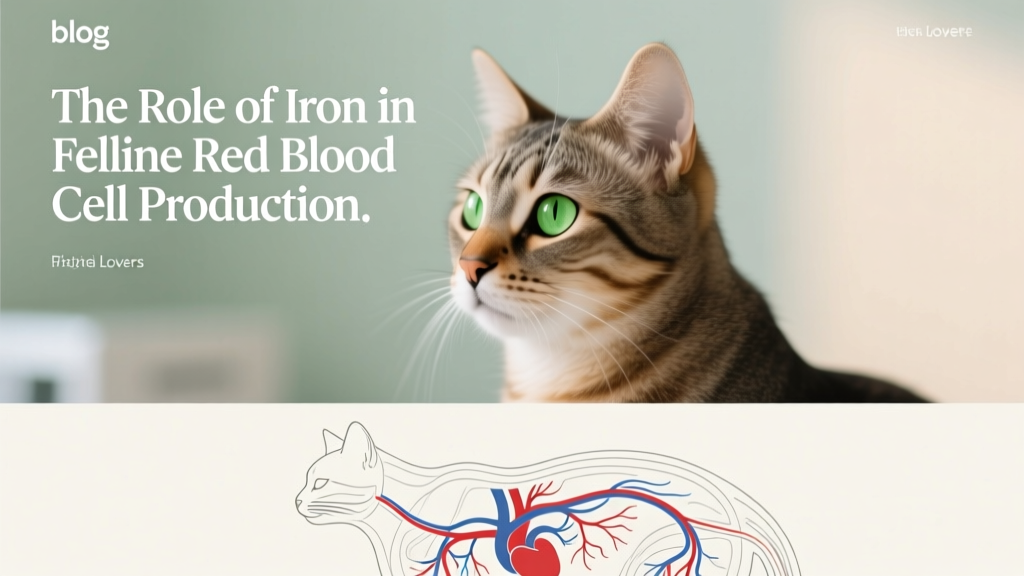
The Role of Iron in Feline Red Blood Cell Production
How can I tell if my cat is iron deficient?
You can’t confirm iron deficiency at home. Signs like pale gums, lethargy, weakness, faster breathing, or poor appetite can suggest anemia, but the cause varies. Your veterinarian will use a CBC and may add reticulocyte count, iron studies (including ferritin), fecal testing, and checks for parasites or bleeding.
Are grain-free or “high-meat” diets better for iron?
Not automatically. Many grain-inclusive diets provide adequate iron, and many grain-free diets are also fine if they’re complete and balanced. The more meaningful factors are overall formulation quality, nutrient balance, and the manufacturer’s quality control.
Should I give my cat an iron supplement if their gums look pale?
No—contact your veterinarian. Pale gums can signal anemia, shock, pain, or other urgent issues. Iron supplementation without diagnosis can delay proper treatment and may be inappropriate if anemia is due to chronic disease, kidney disease, or RBC destruction.
Is liver a safe way to boost my cat’s iron?
Liver contains iron, but it’s not a free-form supplement. Too much liver can lead to vitamin A excess and nutritional imbalance. If you feed treats like liver, keep them small and infrequent, and prioritize a complete and balanced main diet. For cats needing therapeutic nutrition, work with your veterinarian.
Can fleas really cause anemia?
Yes. Heavy flea infestations—especially in kittens or small cats—can cause enough blood loss to contribute to anemia. Year-round flea prevention and environmental control are powerful tools for protecting RBC health.
If my cat has anemia, will changing food fix it?
Sometimes nutrition helps (especially if the current diet is unbalanced or the cat has inadequate intake), but many anemia cases require medical treatment and diagnostics to find blood loss, inflammation, kidney disease, or other underlying causes. Use diet as part of a vet-guided plan, not a substitute for evaluation.
Bottom line: Iron is essential for hemoglobin and red blood cell production, but most cats meet iron needs with a reputable complete and balanced diet. When anemia shows up, the priority is identifying the cause with your veterinarian rather than guessing with supplements.
If you want to keep optimizing your cat’s diet with science-based guidance, explore more feline nutrition guides on catloversbase.com.