Cat Food Single-Source Protein: Allergy Management Benefit
1) Why this topic matters for cat health
Itchy skin, recurrent ear infections, chronic vomiting, soft stools, and frequent hairball-like coughing can turn daily life into a cycle of discomfort for cats and frustration for owners. While parasites, infections, and environmental allergies can cause similar signs, food-related reactions are a real and treatable contributor in a subset of cats. For those cats, choosing the right diet is not just “better nutrition”—it can be the difference between constant flare-ups and a comfortable, stable routine.
Single-source protein cat food is often marketed as a solution for “allergies,” but the real benefit is more specific: it can make dietary troubleshooting simpler, reduce exposure to multiple potential triggers, and support a structured food elimination trial when done correctly. The best outcomes happen when owners understand what single-source protein actually means, when it helps (and when it doesn’t), and how to use it safely under veterinary guidance.
2) Scientific background: feline nutritional needs and obligate carnivore biology
Cats are obligate carnivores. Their metabolism is adapted to derive most of their energy and essential nutrients from animal tissues. This matters in allergy management because protein is the most common dietary trigger for adverse food reactions, and protein is also the nutrient cats require in relatively high amounts.
- High protein requirement: Cats have a high baseline need for dietary protein due to continuous amino acid catabolism.
- Essential nutrients from animal sources: Taurine, preformed vitamin A, arachidonic acid, and certain B vitamins are naturally abundant in animal tissues.
- Limited flexibility with low-protein diets: “Hypoallergenic” should never mean “low protein” for cats. The goal is appropriate protein from a controlled source, not protein restriction (unless medically indicated by a veterinarian for specific conditions).
Also relevant: many cats have sensitive gastrointestinal (GI) tracts, and stress, abrupt diet changes, or high-fat foods can cause vomiting or diarrhea that looks like “allergy.” A clear plan helps separate true food allergy or intolerance from other causes.
3) Detailed analysis: what single-source protein is, how it helps, and what the evidence says
Food allergy vs. food intolerance: what owners are really seeing
Veterinary medicine typically groups these under “adverse food reactions” (AFR):
- Food allergy (immune-mediated): The immune system reacts to a dietary protein. Signs often include itching (especially head/neck), ear issues, and skin inflammation; GI signs can occur too.
- Food intolerance (non-immune): The cat reacts poorly to a food component (fat level, additives, certain ingredients) without an immune mechanism. Signs are often GI-heavy (vomiting/diarrhea), though overlap exists.
Key point: There is no reliable over-the-counter blood, saliva, or hair test that can diagnose food allergy in cats with high accuracy. The accepted diagnostic approach in clinical practice remains a properly conducted elimination diet trial followed by dietary challenge.
What “single-source protein” actually means
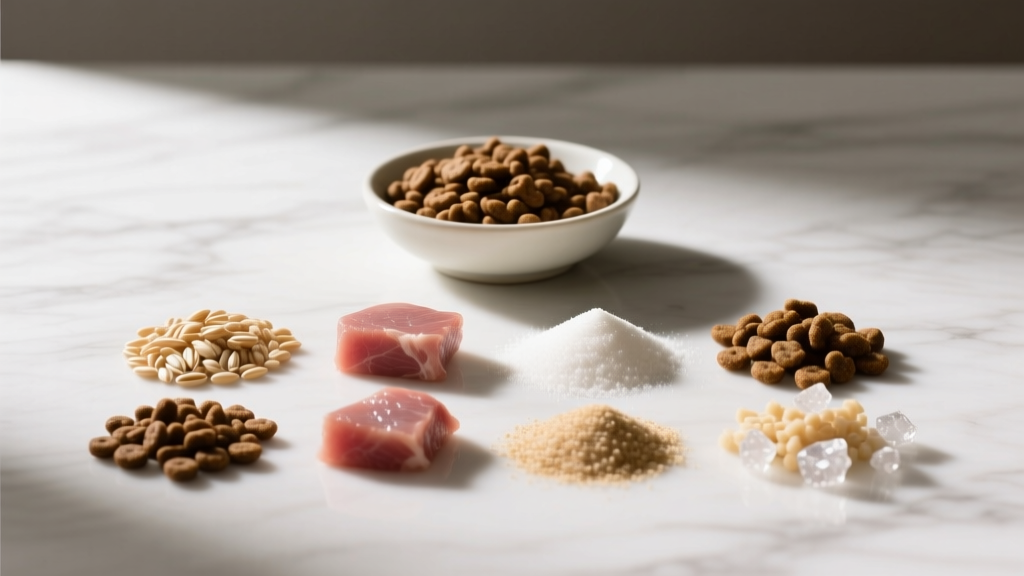
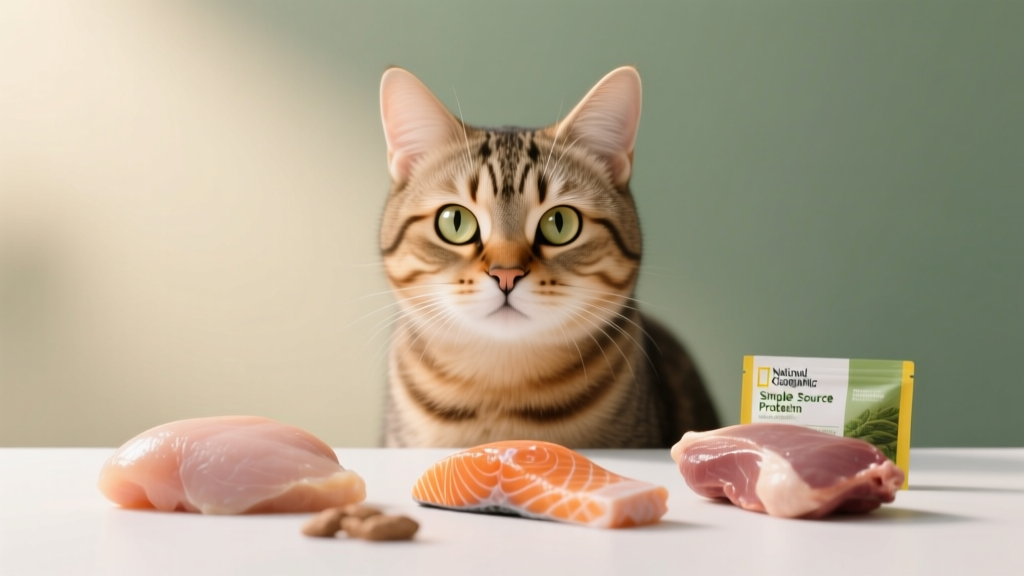
In nutrition terms, “single-source protein” typically means the formula contains one primary animal protein (e.g., duck, rabbit, turkey) rather than multiple meats (e.g., chicken + fish + beef). That sounds straightforward, but label realities matter:
| Label Claim | What it Often Means | Potential Pitfall |
|---|---|---|
| Single animal protein | One main meat listed (e.g., “duck”) | May still include chicken fat, fish oil, egg, or “natural flavors” from other species |
| Limited ingredient | Fewer total ingredients, simpler recipe | Not automatically suitable for elimination trials; cross-contact can occur |
| Novel protein | A protein the cat has not eaten before | Many “novel” proteins are no longer novel due to widespread use in treats/foods |
| Hypoallergenic | Marketing term unless it’s a veterinary therapeutic diet | May still contain common allergens; not formulated for diagnostic trials |
How single-source protein can benefit allergy management
Single-source protein diets can help in three main ways:
- Reduces complexity: When fewer animal proteins are present, it’s easier to identify a trigger if symptoms improve or worsen.
- Supports a targeted elimination trial: If the diet uses a truly novel protein (for that cat) and exposures are controlled, it can function as an elimination diet approach (more on veterinary diets below).
- May reduce ongoing flare-ups: For cats already suspected or known to react to a specific protein (commonly chicken, beef, dairy in some cases), avoiding that protein consistently can reduce signs.
Limits of single-source protein: where owners get misled
Single-source protein is not a guarantee of being “allergy-safe.” Major limitations include:
- Cross-contact and hidden proteins: Over-the-counter foods may share manufacturing lines with other proteins. Trace contamination can matter for very sensitive cats.
- Non-protein triggers: Some cats react to fat level, fiber changes, gums/thickeners, or abrupt transitions rather than a specific protein.
- Environmental allergies are common: Cats with seasonal itching, dust mite sensitivity, or flea allergy dermatitis won’t resolve fully with diet change alone (though diet can still support skin health).
Veterinary elimination trials: why they’re different
A true elimination diet trial is a controlled diagnostic test. Veterinarians often recommend:
- Hydrolyzed protein diets: Proteins broken into smaller fragments to reduce immune recognition. Often the most reliable for strict trials.
- Veterinary novel protein diets: Formulated with careful quality control to minimize unintended proteins.
Over-the-counter “limited ingredient” single-protein foods may help some cats, but they are generally less reliable for diagnosis because of labeling ambiguity and manufacturing cross-contact.
4) Practical recommendations for cat owners
If you suspect a food-related issue, prioritize a plan that is simple, measurable, and vet-supported:
- Get a diagnosis pathway from your veterinarian: Rule out fleas, mites, skin infections, GI parasites, inflammatory bowel disease, pancreatitis, and other conditions that mimic food reactions.
- Choose the right “trial type”: For many cats, a veterinary hydrolyzed or veterinary novel-protein diet is the most efficient route.
- Commit to strict control: During a trial, the cat should eat only the prescribed diet—no flavored meds, treats, table food, lickable tubes, or hunting snacks.
- Track outcomes: Weekly photos of skin lesions, ear debris notes, stool scoring, and vomiting frequency help determine whether the diet is working.
| Symptom | What to Track | Useful Metric |
|---|---|---|
| Itching/overgrooming | Scratching episodes, barbering patches | 0–10 itch score weekly |
| Vomiting | Frequency, timing, hair vs. food | # episodes/week |
| Stool quality | Consistency, mucus, blood | Stool score (firm to watery) |
| Ear issues | Head shaking, odor, discharge | Yes/no + severity notes |
5) Comparison of options: single-source protein vs. other approaches
| Approach | Best For | Pros | Cons |
|---|---|---|---|
| Over-the-counter single-source protein (limited ingredient) | Mild suspected sensitivity; maintenance after diagnosis (in some cats) | Accessible, may reduce exposure to common triggers | Cross-contact risk; hidden proteins; less reliable for diagnosis |
| Veterinary novel-protein therapeutic diet | Elimination trials and long-term management when a novel protein works | Better quality control; structured formulation | Cost; availability; cat acceptance varies |
| Veterinary hydrolyzed diet | Most reliable elimination trial for many cats | Reduces immune recognition; strong diagnostic utility | Some cats dislike taste; still requires strict compliance |
| Home-cooked elimination diet (vet-formulated) | Complex cases; cats with multiple sensitivities | Total control over ingredients | Must be formulated by a veterinary nutritionist to avoid deficiencies |
6) Common mistakes and misconceptions to avoid (myths debunked)
- Myth: “Grain-free prevents allergies.”
Reality: Most food allergies involve proteins, usually from animal sources. Grains are not the primary culprit in most cats with AFR. Grain-free also doesn’t mean low-carb, and it doesn’t guarantee fewer triggers. - Myth: “If it says duck, it’s only duck.”
Reality: Some diets include multiple animal-derived ingredients (fat, flavorings, eggs) even if one meat is featured. Read the full ingredient list and ask the manufacturer about protein controls if the cat is highly sensitive. - Myth: “Switching proteins every bag prevents allergies.”
Reality: Frequent rotation can make future elimination trials harder by increasing the number of proteins your cat has been exposed to. For suspected allergy cats, consistency is usually more helpful than constant variety. - Myth: “A food trial works in 7 days.”
Reality: GI signs may improve sooner, but skin symptoms often take longer. Many trials run 8–12 weeks depending on your veterinarian’s guidance and the symptoms being monitored. - Myth: “Single-source protein is the same as hypoallergenic.”
Reality: “Single-source” refers to ingredient simplicity. “Hypoallergenic” in a clinical sense usually refers to hydrolyzed or carefully controlled therapeutic diets.
7) How to implement changes safely (transition tips)
Diet changes can trigger GI upset even in healthy cats, so transition thoughtfully—especially when you’re trying to evaluate allergies.
- Standard transition (most cats): 7–10 days, gradually increasing the new food and decreasing the old.
- Sensitive stomach transition: 10–14 days or longer, with smaller step-ups.
- If your veterinarian requests a strict elimination start: Follow their timeline. In some cases, a faster switch is recommended for diagnostic clarity, but this should be vet-directed.
| Day | Old Food | New Food |
|---|---|---|
| 1–3 | 75% | 25% |
| 4–6 | 50% | 50% |
| 7–9 | 25% | 75% |
| 10+ | 0% | 100% |
Compliance tips during a food trial:
- Use the trial kibble as treats (if dry food is part of the trial).
- Ask your vet about unflavored medications or compatible treat options.
- Feed separately if you have multiple pets to prevent bowl sharing.
- Stop flavored toothpaste, flavored supplements, and lickable treats unless vet-approved for the trial.
8) Special considerations: age, health conditions, and lifestyle
- Kittens: Kittens have high energy and nutrient needs. Elimination trials in kittens should be veterinarian-guided to ensure the diet is complete and appropriate for growth.
- Seniors: Older cats may have kidney disease, dental issues, or reduced appetite. The “best” allergy plan balances skin/GI improvement with maintaining lean body mass and adequate calorie intake. Never switch a fragile senior repeatedly without veterinary oversight.
- Chronic GI disease (IBD-like signs): Diet can be a major tool, but cats with weight loss, low appetite, or blood in stool need prompt veterinary evaluation. Some cases require more than diet (e.g., B12 support, medications).
- Skin infections and ear disease: Secondary bacterial or yeast infections commonly accompany allergic skin disease. Diet changes alone may not resolve symptoms unless infections are treated concurrently.
- Overweight cats: Choose a plan that supports weight management without adding lots of treats. Ask your vet for a calorie target; measure portions rather than free-feeding.
- Outdoor/hunting cats: Prey ingestion can invalidate a food trial. Discuss containment strategies during the trial window.
FAQ: Single-source protein and feline allergy management
1) Is single-source protein cat food good for cats with allergies?
It can be helpful, especially for simplifying ingredient exposure and avoiding a known trigger protein. For diagnosing a true food allergy, veterinary hydrolyzed or veterinary novel-protein diets are usually more reliable than over-the-counter single-protein foods. Your veterinarian can recommend the best route based on symptoms and history.
2) What proteins are most likely to cause reactions in cats?
Any protein a cat has eaten can become a trigger, but commonly fed proteins (such as chicken, beef, and fish) are frequent suspects simply because exposure is high. “Novel” proteins only work if your cat truly hasn’t eaten them before (including in treats).
3) How long does it take to see results after switching to a single-source protein diet?
Some GI signs can improve within 1–2 weeks, while skin and ear symptoms often take longer. Many veterinarian-guided elimination trials run around 8–12 weeks, followed by a challenge phase to confirm the diagnosis.
4) Can I use treats during a food trial if they are the same protein?
Even “same protein” treats can introduce other ingredients or cross-contact. The cleanest approach is no treats unless your veterinarian approves specific options. Often the trial diet itself can be used as treats.
5) Does “limited ingredient” mean the food is safe for allergies?
Not necessarily. Limited ingredient diets reduce complexity, but they are not automatically formulated for diagnostic reliability. If you’re trying to confirm a food allergy, ask your veterinarian whether a therapeutic diet is more appropriate.
6) My cat is itchy but also sneezes—does diet still matter?
Sneezing is more consistent with respiratory irritation, infection, or environmental allergies than food allergy, though cats can have more than one problem at once. A vet exam helps sort out causes so you don’t rely on diet alone when other treatment is needed.
If your cat struggles with chronic itching, ear issues, or ongoing GI upset, single-source protein diets can be a practical tool—but the best results come from a structured plan and veterinary guidance. Explore more cat nutrition and feeding strategy guides on catloversbase.com to help you build a diet that supports comfort, digestion, and lifelong health.