Cat Food Vitamin Premix Stability During Shelf Life
1) Should I add a vitamin supplement to prevent nutrient losses during storage?
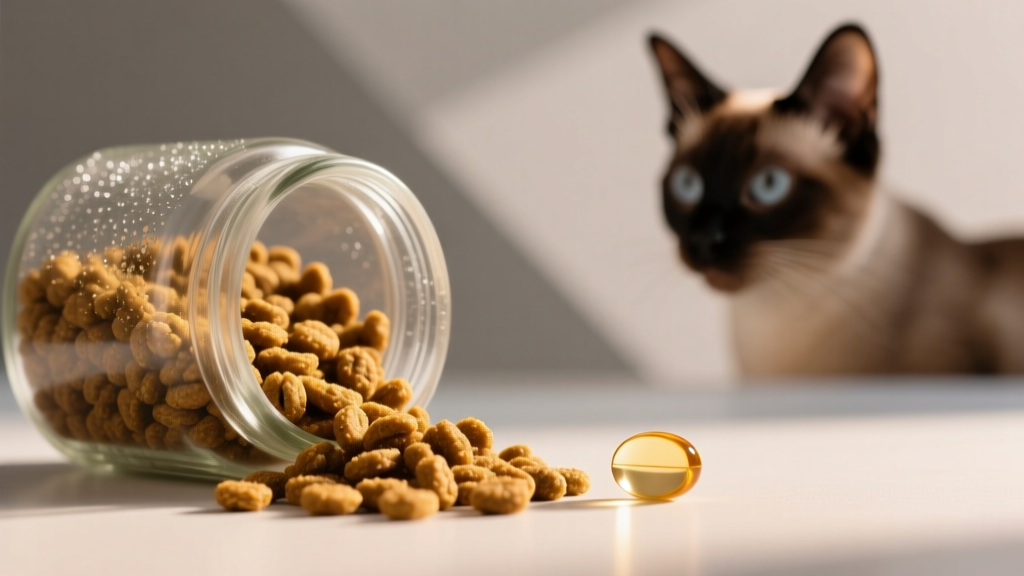
Usually no. If the food is labeled complete and balanced (AAFCO/FEDIAF), within date, and stored correctly, extra supplementation is more likely to create excess than prevent deficiency. Ask your veterinarian before adding any supplement, especially vitamins A or D.
2) Is wet food more nutritious than dry food because it’s sealed?
Wet food is sealed and protected from oxygen until opened, which can help preserve some nutrients. Dry food can also be nutritionally excellent when properly formulated and stored. The best choice depends on your cat’s health goals (hydration, weight, urinary history) and what you can store and feed consistently.
3) How long can I keep dry food after opening?
A practical target is finishing a bag within 3–6 weeks after opening, stored cool, dry, and tightly sealed. This isn’t a universal “expiration,” but it helps limit oxidation and vitamin degradation. If you must buy larger bags, portion and seal them tightly (and keep portions in the original bag inside a closed container).
4) Does freezing kibble preserve vitamins?
Freezing can slow degradation but doesn’t stop oxygen-driven oxidation if the packaging isn’t airtight. Also, repeated condensation when taking food in and out can introduce moisture. If freezing is used, portion into airtight bags and avoid frequent temperature cycling.
5) What nutrients are most likely to be low if a diet is improperly stored or outdated?
Heat- and oxidation-sensitive nutrients are the main concern, especially vitamin E and some B vitamins (notably thiamine, depending on food type and handling). Reputable manufacturers build in safety margins, but poor storage can still reduce quality.
6) Can I rely on “smell test” alone to know if vitamins are still intact?
No. Rancidity may be detectable by smell, but vitamin losses can occur without obvious odor changes. Use the “best by” date, buy appropriate bag sizes, and store food properly for more reliable nutrient retention.
Veterinary guidance reminder: If you’re considering changing your cat’s diet due to health concerns, poor appetite, suspected deficiency, or chronic disease, consult your veterinarian (and for complex cases, a board-certified veterinary nutritionist) to choose the safest option.
For more practical, science-based feeding help, explore the nutrition guides and cat wellness resources on catloversbase.com.