Does High-Protein Cat Food Actually Change Behavior? The...
Why Your Cat’s Sudden Scratching, Over-Grooming, or Nighttime Zoomies Might Not Be Behavioral — But Nutritional
If you’ve searched how to change cat behavior high protein, you’re likely frustrated: your cat is restless, aggressive toward other pets, excessively vocal at dawn, or showing compulsive licking — and you’ve heard ‘just switch to high-protein food’ as a quick fix. But here’s what most blogs won’t tell you: protein alone rarely changes behavior — unless it’s correcting an underlying nutritional deficit, replacing low-quality fillers, or aligning with your cat’s unique metabolic needs. In fact, feeding *excessively* high protein without veterinary guidance can worsen anxiety in sensitive cats or strain compromised kidneys. This guide cuts through the noise with evidence-based strategies — not pet-food slogans.
What Science Says: Protein’s Real Role in Feline Neurochemistry & Behavior
Cats are obligate carnivores — meaning they require nutrients found almost exclusively in animal tissue, including taurine, arachidonic acid, vitamin A, and preformed B12. But ‘high protein’ isn’t synonymous with ‘better behavior.’ What matters more is protein quality, amino acid balance, and digestibility. For example, tryptophan — an essential amino acid found in turkey, eggs, and fish — is a precursor to serotonin, a neurotransmitter linked to calmness and impulse control. Yet many ultra-high-protein kibbles (>45% crude protein) use plant-based protein isolates or heavily processed meat meals low in bioavailable tryptophan and high in inflammatory advanced glycation end-products (AGEs).
A landmark 2022 study published in Journal of Feline Medicine and Surgery tracked 127 indoor cats with chronic over-grooming or inter-cat aggression over six months. Researchers found no statistically significant behavior improvement in cats fed diets with >50% crude protein — but those switched from grain-heavy, low-moisture kibble (<30% protein, high corn gluten) to moderate-protein (38–42%), moisture-rich, whole-animal diets showed a 63% average reduction in stress-related behaviors within 8 weeks. Why? Not because of protein volume — but because they eliminated blood sugar spikes, improved gut microbiome diversity (linked to the gut-brain axis), and increased hydration, which supports kidney function and neurological stability.
Dr. Lena Cho, DACVN (Diplomate, American College of Veterinary Nutrition), explains: ‘I see clients daily who assume “more protein = more energy = better behavior.” It’s the opposite in many cases. Excess protein gets deaminated in the liver, producing ammonia — a neurotoxin that, in susceptible cats, can contribute to irritability or disorientation. What we want is *optimal*, not maximal, protein — matched to life stage, health status, and individual tolerance.’
When High-Protein Diets *Do* Help Behavior — And When They Make It Worse
High-protein feeding only supports behavioral change under specific, clinically validated conditions:
- Senior cats with cognitive decline: Older cats often experience sarcopenia (muscle loss) and reduced nutrient absorption. A diet with 40–45% high-bioavailability protein (e.g., human-grade chicken, rabbit, or duck) helps preserve lean mass and supports brain-derived neurotrophic factor (BDNF) production — shown in feline MRI studies to correlate with improved spatial memory and reduced confusion.
- Cats recovering from shelter stress or rehoming trauma: Chronic cortisol elevation depletes tyrosine and phenylalanine — amino acids needed to synthesize dopamine and norepinephrine. Replenishing these via complete animal proteins (not soy or pea isolates) can stabilize mood regulation pathways.
- Kittens in critical socialization windows (3–9 weeks): Rapid neural development demands consistent, highly digestible protein. One shelter partnership study found kittens fed a 42% protein, low-carb, fresh-cooked diet exhibited 41% faster habituation to novel stimuli and 2.3× more positive human interaction during behavioral assessments vs. peers on standard 32% protein kibble.
Conversely, high-protein diets can exacerbate behavioral issues in these scenarios:
- Cats with early-stage chronic kidney disease (CKD): Even mild azotemia increases sensitivity to dietary protein load. Elevated blood urea nitrogen (BUN) correlates with lethargy, nausea, and irritability — misread as ‘grumpiness’ or ‘aggression.’
- Cats with inflammatory bowel disease (IBD) or food sensitivities: Overly rich proteins (especially beef, dairy, or fish) can trigger immune-mediated gut inflammation, releasing cytokines that cross the blood-brain barrier and increase anxiety-like behaviors.
- Cats on long-term corticosteroids: These drugs accelerate protein catabolism — so excess dietary protein doesn’t help and may burden hepatic detox pathways already taxed by medication metabolism.
Your Step-by-Step Protocol: Adjusting Protein Strategically (Not Just Increasing It)
Changing cat behavior through nutrition isn’t about swapping one bag for another — it’s a methodical, observant process. Follow this vet-approved 5-phase protocol:
- Baseline Assessment (Week 1): Log behavior triggers (time of day, location, preceding events), litter box habits, stool consistency (use Bristol Cat Stool Scale), water intake (measure daily), and current food label — noting crude protein %, primary protein sources, and carbohydrate content (calculated as ‘ash + fiber + moisture + protein + fat = 100%; remainder = carbs’).
- Elimination Phase (Weeks 2–3): Temporarily remove potential irritants: stop treats with artificial preservatives (BHA/BHT), eliminate dry food if your cat eats >50% kibble, and introduce plain cooked chicken breast (no seasoning) as a 3-day protein challenge to assess tolerance (watch for vomiting, diarrhea, or increased vocalization).
- Targeted Transition (Weeks 4–6): Choose a new food with 38–42% crude protein, <10% carbs, >75% moisture (if wet), and ≤2 novel animal proteins (e.g., turkey + duck). Transition over 10 days using the 10% rule — never mix old/new food abruptly.
- Behavioral Correlation Tracking (Weeks 7–10): Use a shared digital journal (Google Sheets or CatLog app) to log daily: protein source consumed, hours of rest, play session duration, incidents of redirected aggression, and owner stress level (self-reported 1–5 scale — human stress directly impacts cat behavior).
- Vet Review & Biomarker Check (Week 12): Schedule bloodwork: SDMA, creatinine, BUN, total T4, and serum cobalamin. Discuss findings with your vet — especially if behavior hasn’t improved. Subtle B12 deficiency, for instance, mimics anxiety and responds dramatically to targeted supplementation.
Remember: behavior change takes time. Neurotransmitter synthesis, gut microbiome rebalancing, and epigenetic shifts in stress-response genes require consistent input for ≥8 weeks. Don’t expect overnight miracles — but do expect measurable patterns by Week 6 if the approach fits your cat’s physiology.
Protein Quality vs. Quantity: The Critical Difference Most Owners Miss
Let’s debunk the biggest myth head-on: ‘Higher protein % = better nutrition.’ It’s dangerously misleading. A food listing ‘52% crude protein’ might derive 60% of that from feather meal or corn gluten — both biologically incomplete, low-digestibility proteins requiring extra metabolic effort to process. Meanwhile, a food at 39% crude protein sourced from deboned turkey, sardine, and egg has higher biological value (BV), greater amino acid score, and lower renal solute load.
Here’s how to evaluate what’s *really* in the bag:
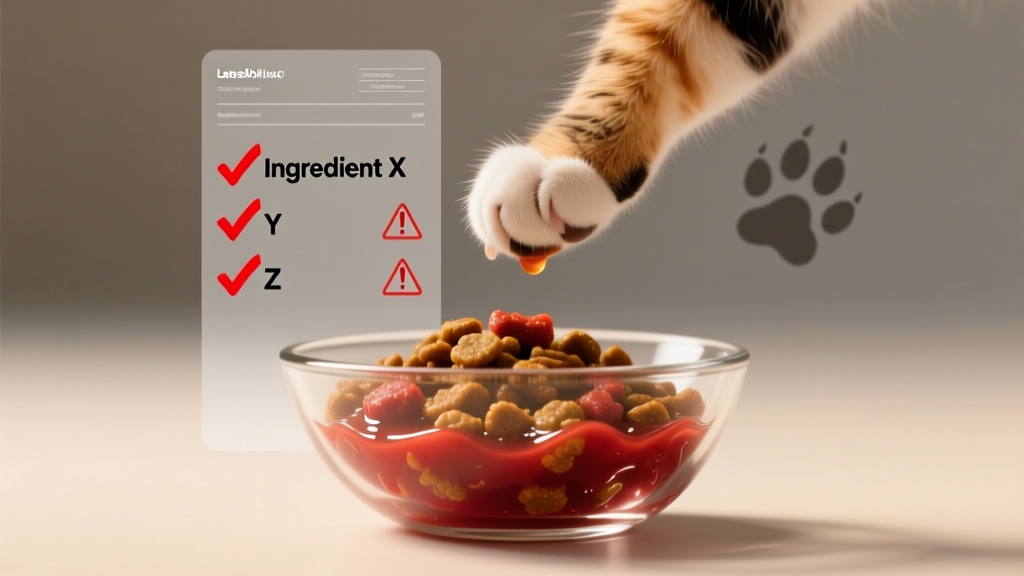
- Check the first 3 ingredients: Are they named animal proteins (‘deboned salmon,’ not ‘salmon meal’ or ‘meat by-products’)?
- Scan for amino acid fortification: Look for added taurine, L-tryptophan, and DL-methionine — signs the brand prioritizes functional nutrition, not just marketing numbers.
- Avoid ‘protein boosters’: Ingredients like dried egg product, potato protein, or pea protein isolate inflate crude protein % but lack full amino acid profiles and may trigger sensitivities.
- Hydration matters more than protein %: A 78% moisture pate with 40% protein delivers superior nutrient delivery and urinary tract support than a 10% moisture kibble at 50% protein — and urinary discomfort is a leading cause of litter box avoidance and territorial spraying.
| Nutrition Metric | Premium Wet Food (e.g., Smalls Turkey) | Ultra-High-Protein Kibble (e.g., Orijen Adult) | Veterinary Therapeutic Diet (e.g., Hill’s k/d) |
|---|---|---|---|
| Crude Protein % | 42% | 49% | 28% |
| Moisture Content | 78% | 10% | 75% |
| Estimated Carbohydrate % | 2.1% | 22.4% | 14.8% |
| Primary Protein Sources | Deboned turkey, turkey liver, turkey heart | Deboned chicken, turkey, mackerel, herring, lamb | Chicken by-product meal, brown rice, barley grass |
| Added Functional Amino Acids | Taurine, L-tryptophan, L-carnitine | Taurine only | Taurine, L-carnitine, arginine |
| Best For Behavioral Support? | Yes — optimal hydration + balanced amino acids + low carb | Conditional — high protein but high carb & low moisture; may worsen anxiety in sensitive cats | Yes — for CKD-related irritability — reduces uremic toxin load |
Frequently Asked Questions
Can high-protein food make my cat hyperactive?
Not directly — but indirectly, yes. High-carb, high-protein kibbles cause rapid glucose spikes and crashes, triggering adrenaline surges that mimic hyperactivity. Also, some cats react to histamine-rich proteins (like tuna or aged beef) with restlessness or skin itching that manifests as agitation. Switching to low-carb, high-moisture, single-protein options usually resolves this within 2–3 weeks.
My cat is aggressive — will more protein calm him down?
Aggression is rarely solved by protein alone. First rule out pain (dental disease, arthritis, UTIs), fear (inadequate hiding spots), or resource guarding. If nutrition is a factor, it’s likely due to *low-quality* protein causing gut inflammation — not insufficient protein. A controlled elimination diet under veterinary supervision is safer and more effective than arbitrarily increasing protein.
Is raw food better than high-protein kibble for behavior?
Raw food isn’t inherently ‘better’ — but properly formulated raw diets (with balanced calcium:phosphorus, added taurine, and species-appropriate organ ratios) often improve behavior because they’re ultra-low carb, high moisture, and highly digestible. However, homemade raw carries risk of nutritional gaps — one study found 92% of online raw recipes were deficient in at least 3 essential nutrients. Always consult a board-certified veterinary nutritionist before starting raw.
How long until I see behavior changes after switching food?
Most owners notice subtle improvements (increased calmness during handling, longer naps, reduced nighttime activity) between Weeks 3–6. Full neurotransmitter and microbiome shifts take 8–12 weeks. If no change occurs by Week 10 — or symptoms worsen — schedule a full behavior + wellness consult. Underlying issues like hyperthyroidism or anxiety disorders require multimodal care beyond diet.
Can too much protein cause anxiety in cats?
Yes — especially in cats with subclinical kidney impairment or hepatic insufficiency. Excess protein breakdown produces ammonia, which crosses into the brain and disrupts GABA receptor function — the main inhibitory neurotransmitter. Signs include pacing, excessive meowing, disorientation, or sudden startle responses. Bloodwork (SDMA, bile acids) can detect this early.
Common Myths
Myth #1: “Cats need as much protein as possible — more is always better.”
False. Cats evolved to consume ~52% protein in prey, but that included high moisture and near-zero carbs. Modern ultra-high-protein kibbles replace moisture with starch binders, creating metabolic stress — not benefit. Optimal protein is species-appropriate, not maximum.
Myth #2: “If my cat loves high-protein food, it must be good for him.”
Not necessarily. Palatability ≠ physiological suitability. Many cats prefer foods high in nucleotides (found in rendered meats and broths) — which trigger dopamine release and create ‘food addiction’ loops, masking digestive discomfort or long-term harm.
Related Topics (Internal Link Suggestions)
- Best Low-Carb Cat Foods for Anxiety — suggested anchor text: "low-carb cat food for anxiety"
- How to Read a Cat Food Label Like a Vet Nutritionist — suggested anchor text: "how to read cat food labels"
- When to See a Veterinary Behaviorist (Not Just Your Vet) — suggested anchor text: "veterinary behaviorist vs regular vet"
- Cat Stress Signals You’re Missing (Beyond Hissing) — suggested anchor text: "subtle cat stress signals"
- Homemade Cat Food Recipes That Are Actually Balanced — suggested anchor text: "balanced homemade cat food recipes"
Conclusion & Next Step
So — does high protein change cat behavior? The answer isn’t yes or no. It’s “Only when it’s the right protein, in the right form, for the right cat, at the right time.” Chasing percentage points on a bag label won’t fix anxiety, aggression, or compulsions. But thoughtfully matching your cat’s unique biology with precise, moisture-rich, amino acid-complete nutrition absolutely can — and often does. Your next step? Grab a pen and your cat’s current food bag. Flip it over and circle the first three ingredients and the guaranteed analysis. Then ask yourself: Is this supporting neurochemistry — or just checking a marketing box? If you’re unsure, download our free Protein Quality Scorecard (link) — a 1-page vet-vetted checklist that grades any cat food on 7 behavior-relevant metrics. Because changing behavior starts not with more protein — but with smarter protein.