Cat Food Pellet Expansion Ratio: Extrusion Quality Metric
1) Can I find the expansion ratio on my cat food label?
Usually no. Expansion ratio is a manufacturing and quality-control metric, not a consumer label item. You can infer related traits from kibble density, hardness, and kcal per cup, and from the brand’s transparency about quality control and feeding trials.
2) Does more expanded kibble mean fewer calories?
Not always, but higher expansion often correlates with lower bulk density. The reliable way to know is the calorie statement (kcal/cup or kcal/kg). For accuracy, weigh the food in grams and calculate calories based on the label.
3) Is less expanded (denser) kibble better for obligate carnivores?
Denser kibble can sometimes reflect higher protein/fat and lower starch, but that’s not guaranteed. Cats thrive on diets with adequate animal-based protein, essential nutrients, and appropriate calories. Evaluate the whole diet, and consult your vet if you’re trying to manage weight, diabetes risk, or GI problems.
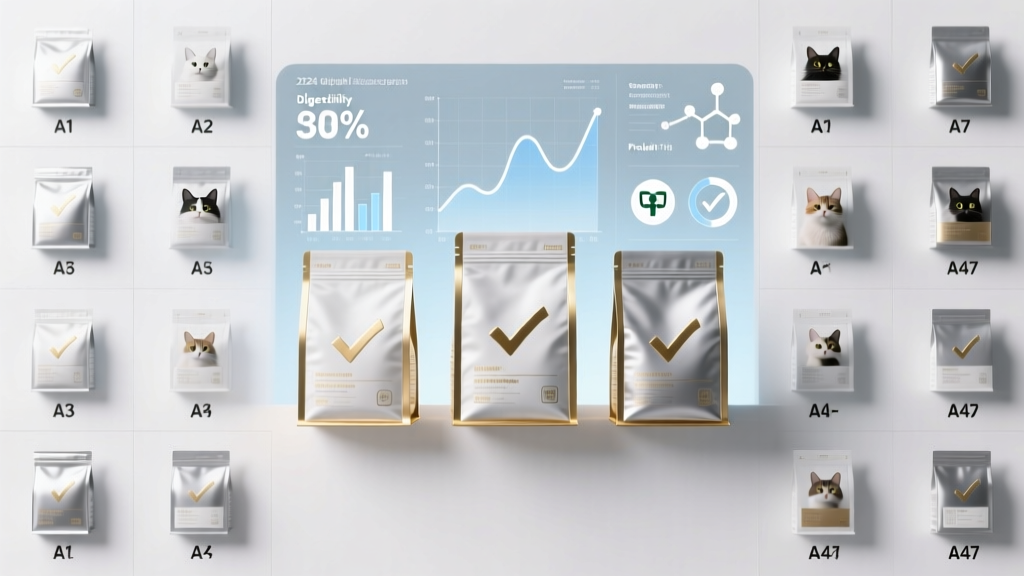
4) Will a specific expansion ratio improve my cat’s digestion?
There is no universal “best” expansion ratio for all cats. Digestive comfort depends on ingredient selection, formulation, processing, and individual tolerance. If your cat has chronic vomiting, diarrhea, constipation, or excessive gas, talk with your veterinarian about diagnostics and a targeted diet trial.
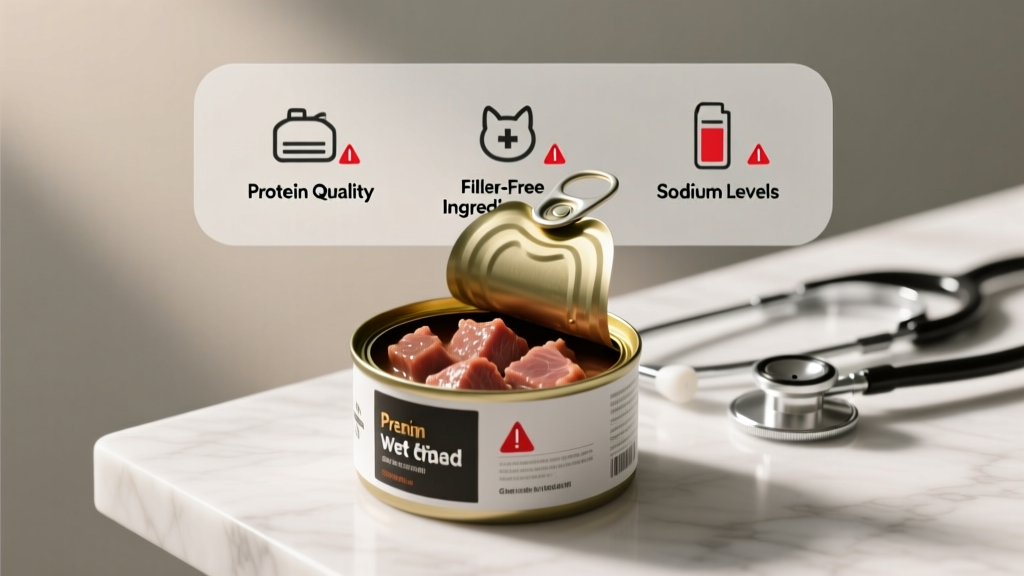
5) Should I switch to wet food to avoid extrusion concerns?
Wet food can support hydration and may help with urinary health and weight management for some cats, but the best choice depends on your cat’s medical needs, preferences, and your feeding routine. Many cats do well with mixed feeding (some wet, some dry) when calories are controlled.
6) What’s the most practical takeaway for owners?
Use expansion-related clues (kcal per cup, density, how easy it is to overfeed) to portion more accurately, but choose diets based on nutritional adequacy, reputable formulation, and your cat’s health response. For individualized changes—especially for kittens, seniors, or cats with medical conditions—consult your veterinarian.
If you’re optimizing your cat’s diet, keep exploring more cat nutrition guides and feeding strategies on catloversbase.com to build a plan that supports healthy weight, hydration, and lifelong wellbeing.