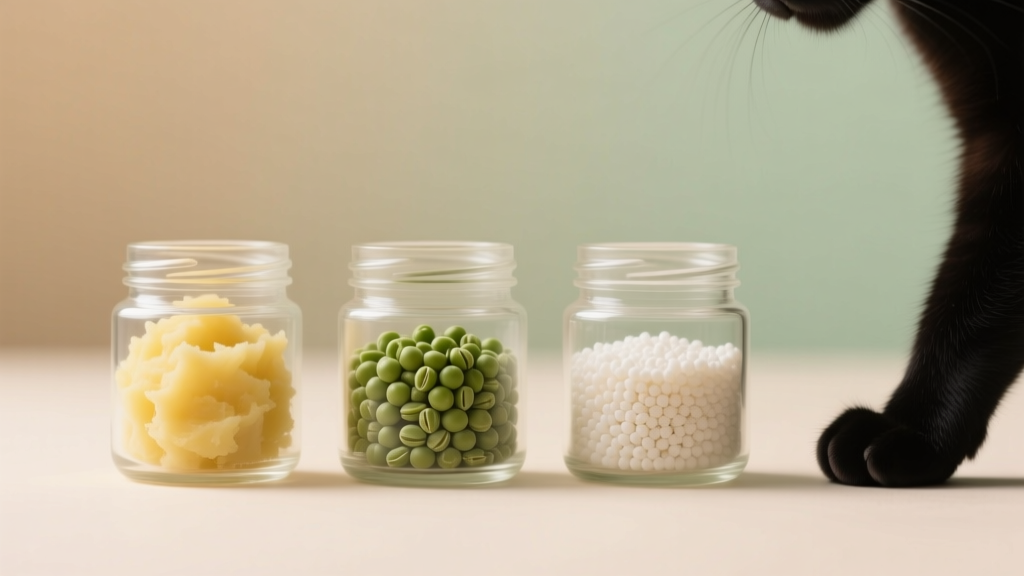
Cat Food Carbohydrate Sources: Potato, Pea, Tapioca Ranked
Which is better for cats: potato, pea, or tapioca?
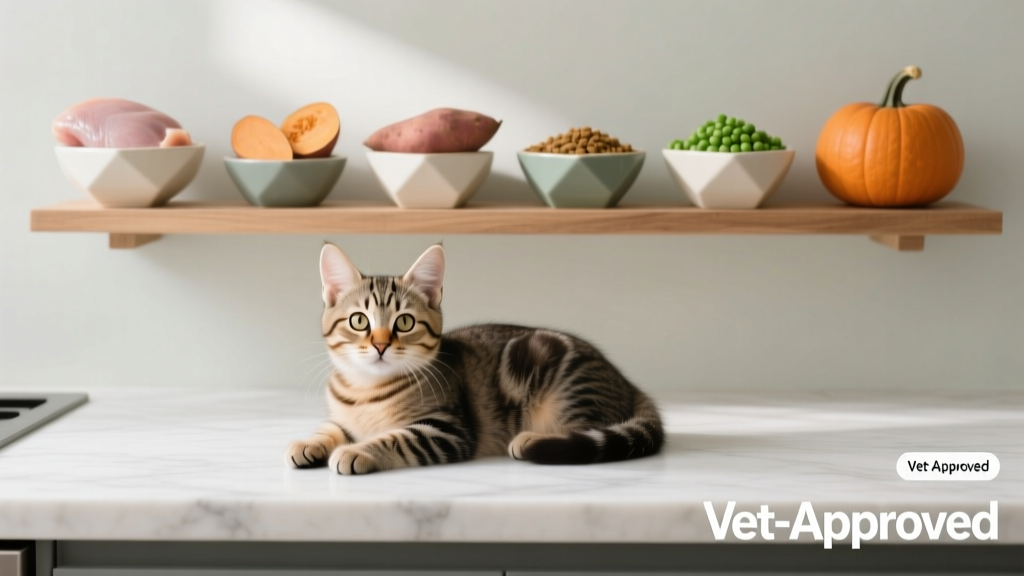
For many cats, tapioca is the most neutral option because it’s mostly starch and tends to be used as a binder without adding much plant protein. Potato can be fine when cooked and used moderately. Pea is more likely to be used heavily (including pea protein) and may cause gas or stool changes in some cats. Your cat’s tolerance and the food’s overall formulation matter most.
Does “grain-free” mean healthier?
No. Grain-free simply means the food doesn’t contain grains. It may still be high in carbohydrates from potato, peas, tapioca, lentils, or other starches. Health depends on the diet being complete and balanced, appropriately calorie-controlled, and well-tolerated by your cat.
Are peas bad for cats?
Peas are not automatically harmful, and many cats eat pea-containing foods without issues. Concerns arise when a diet becomes legume-heavy, relies on pea protein to boost crude protein, or when an individual cat develops gas, loose stool, or poor coat quality. If you suspect peas don’t agree with your cat, discuss alternatives with your veterinarian.
How can I estimate carbohydrate content if it’s not listed?
Owners often use “carbohydrates by difference” using the guaranteed analysis, but label values are approximate and don’t include moisture consistently across foods. A practical approach: compare wet vs dry (wet usually lower carb), and evaluate whether the ingredient list is dominated by starches/legumes. For precision, ask the manufacturer for typical nutrient analysis on an as-fed and dry-matter basis.
My cat is picky. How can I switch away from a pea-heavy kibble?
Use a slow transition, try mixing a small amount of wet food as a “topper” (not enough to unbalance the diet if used modestly), warm the food slightly to increase aroma, and keep feeding times consistent. If your cat refuses food for more than 24 hours (or less for kittens), contact your veterinarian to avoid risks like hepatic lipidosis.
Should I avoid carbs completely?
Not necessarily. Cats don’t have a dietary requirement for carbohydrates, but small amounts can be compatible with good health in a complete and balanced food. The bigger priorities are adequate animal-based protein, appropriate calories, and hydration. For conditions like diabetes or obesity, your veterinarian may recommend a lower-carbohydrate plan.
Vet reminder: If you’re changing your cat’s diet for weight loss, diabetes, GI signs, urinary problems, kidney disease, or suspected allergies, partner with your veterinarian for a safe plan tailored to your cat’s medical history and lab work.
Looking for more practical, science-based feeding guidance? Explore the nutrition guides and cat food breakdowns on catloversbase.com to keep building a diet plan that supports your cat’s long-term health.