Understanding Cat Food Digestibility Scores
1) Why digestibility matters for cat health
Cat food labels can look impressive—high protein, premium ingredients, grain-free, human-grade—but none of that guarantees your cat can actually use the nutrients. Digestibility is the missing link between what’s listed on the bag and what your cat absorbs into their body.
Digestibility scores help explain why two foods with similar “guaranteed analysis” can lead to very different outcomes, such as:
- Firm vs. loose stools
- Small, low-odor stools vs. large, smelly stools
- Stable weight and muscle tone vs. gradual weight changes
- Healthy coat and energy vs. dull coat and inconsistent appetite
- Less GI upset for sensitive cats
Digestibility also matters for long-term health. When nutrients aren’t well absorbed, cats may compensate by eating more calories, or they may fall short on essential amino acids, fatty acids, vitamins, and minerals. For kittens, seniors, and cats with medical issues, choosing a highly digestible diet can be a practical way to support the body without overfeeding.
2) Scientific background: feline nutrition and obligate carnivore biology
Cats are obligate carnivores, meaning their metabolism is adapted to diets rich in animal tissue. Their nutritional needs reflect this biology:
- Higher protein requirement: Cats use protein not just for building tissue, but also for energy. Their liver enzymes for protein metabolism stay relatively “on,” even when dietary protein drops.
- Essential nutrients found naturally in animal tissues: Taurine, arachidonic acid, preformed vitamin A (retinol), and vitamin D are nutrients cats must obtain from diet (or supplementation in complete foods).
- Limited ability to handle carbohydrate loads: Cats can digest and use carbohydrates, but they do not have the same biological “expectation” for carb-heavy diets as omnivores. Carbs may be included for processing needs and energy, but protein quality and digestibility remain central.
Digestibility interacts with all of the above. A diet can contain “enough” protein on paper, but if the protein is poorly digested or the amino acid profile is limited, your cat may not meet their needs in practice.
3) Digestibility scores explained (with evidence-based context)
What “digestibility” actually means
Digestibility refers to how much of a nutrient is absorbed from the gastrointestinal tract rather than excreted in feces. It’s usually expressed as a percentage.
Two commonly discussed measures:
- Apparent digestibility: Calculated from what goes in vs. what comes out. This is the most commonly reported measure in pet nutrition research.
- True digestibility: Adjusts for endogenous losses (like digestive enzymes and sloughed intestinal cells). This is more complex and less commonly used in pet food discussions.
How digestibility is measured
In controlled feeding trials, animals are fed a diet for a period of time, intake is measured, and feces are collected and analyzed. Digestibility can be calculated for:
- Dry matter (DM)
- Protein
- Fat
- Carbohydrates (often estimated as nitrogen-free extract)
- Energy (metabolizable energy estimates)
Research-grade digestibility data is valuable, but many retail foods do not publish digestibility results. When companies do share numbers, ask what method was used and whether it comes from feeding trials or formulation estimates.
Typical digestibility ranges (realistic expectations)
Digestibility varies by ingredient quality, processing, fiber level, and individual cat factors. Many complete and balanced cat foods can achieve high digestibility, but “higher” is not always “better” for every cat (for example, some cats benefit from more fiber for hairball management or colitis).
| Nutrient | What higher digestibility tends to mean | What might lower digestibility look like at home |
|---|---|---|
| Protein | Better amino acid absorption; supports lean mass | Large stools, poor coat, muscle loss risk in seniors |
| Fat | Efficient calories; palatability; fatty acid delivery | Greasy stools, weight loss despite eating, dull coat |
| Dry matter | Less waste; often smaller, firmer stools | Frequent bulky stools, more litter box odor |
| Energy | Predictable feeding amounts; stable weight control | Harder to maintain ideal weight; hunger or overfeeding |
What influences digestibility in cat foods
- Ingredient type and quality: Animal-based proteins often align well with feline physiology, but quality varies. Named meat meals can be nutrient-dense; unnamed “meat by-products” are more variable. “By-products” are not automatically bad—organs can be nutrient-rich—but consistency and processing matter.
- Processing method: Extrusion (kibble), retort cooking (canned), freeze-drying, and gently cooked approaches all affect nutrient availability. Heat can reduce some amino acids if overprocessed (and can change palatability), while also improving safety.
- Fiber level and type: Fiber can reduce digestibility of some nutrients but improve stool quality and support beneficial gut microbes. Cats with constipation may benefit from certain fibers; cats with diarrhea may need different fiber strategies.
- Anti-nutritional factors: Some plant ingredients contain compounds that can reduce mineral absorption or affect digestion. Pet foods are formulated to account for this, but formulations vary.
- Fat content and fat sources: Very high fat can be difficult for some cats (especially those with pancreatitis history, as directed by a veterinarian). Oxidized fats reduce quality and palatability.
- Individual tolerance: Food sensitivities, IBD, parasites, stress, and microbiome differences can change how well a cat digests a perfectly good formula.
Digestibility vs. “guaranteed analysis”: why the label can mislead
The guaranteed analysis lists minimums and maximums, not actual amounts, and it does not tell you how much is absorbed. Two foods may both show “Protein (min) 35%,” yet the usable protein can differ based on digestibility and amino acid availability.
Digestibility also explains why a cat can have frequent stools on one diet and smaller stools on another, even when calorie intake is similar.
4) Practical recommendations for cat owners
How to “read” digestibility without a published score
Since most brands don’t provide digestibility data, use a combination of product selection and at-home outcomes.
| What to look for | Why it relates to digestibility |
|---|---|
| AAFCO “complete and balanced” statement for your cat’s life stage | Helps ensure nutrient adequacy even when digestibility varies |
| Feeding trials (“animal feeding tests using AAFCO procedures”) | Suggests the diet performs in real animals, not just on paper |
| Clear protein sources (named meats/meals) and reputable manufacturer | More consistent ingredients and quality control can support digestibility |
| Appropriate fiber for your cat’s stool quality | Fiber affects stool, microbiome, and nutrient absorption |
| Veterinary therapeutic diets when medically indicated | Often designed for high digestibility and tight nutrient control |
At-home signs your cat is digesting a food well
- Formed stools that are easy to scoop (not watery, not rock-hard)
- Stool volume appropriate for food intake (not excessive)
- Stable body weight and good muscle condition
- Healthy coat, normal shedding patterns
- No chronic vomiting, excessive gas, or frequent “near-miss” litter box accidents
Occasional hairball vomiting can be normal, but frequent vomiting (weekly or more) is a reason to discuss diet and health screening with your veterinarian.
5) Comparing options and approaches
| Approach | Potential digestibility advantages | Potential downsides / cautions | Best fit for |
|---|---|---|---|
| High-quality canned/wet food | Often highly palatable; higher moisture supports hydration; may be easier for some cats to digest | Cost; dental plaque still possible; some cats need gradual transition | Cats prone to urinary issues, constipation, low water intake |
| Dry kibble | Convenience; consistent; can be well-formulated and digestible | Lower moisture; some formulas higher in carbs; portion control critical | Owners needing convenience; cats that do well on dry diets |
| Veterinary GI “highly digestible” diets | Designed for nutrient absorption; controlled fiber; consistent quality | Requires vet guidance; may be less “ingredient trendy” | Chronic diarrhea, sensitive stomach, recovery from GI upset (as advised) |
| Raw or homemade diets | Can be highly digestible if properly formulated and handled | High risk of nutrient imbalance and pathogen exposure; not recommended without a veterinary nutritionist; food safety concerns for humans and cats | Only with professional formulation and strict hygiene; otherwise avoid |
| Limited-ingredient diets (LID) | May help identify intolerances; simpler formulas can reduce triggers | Not automatically hypoallergenic; cross-contamination possible; may not be truly “limited” | Suspected food sensitivity under vet guidance |
6) Common mistakes and misconceptions (myths debunked)
- Myth: “Grain-free means more digestible.”
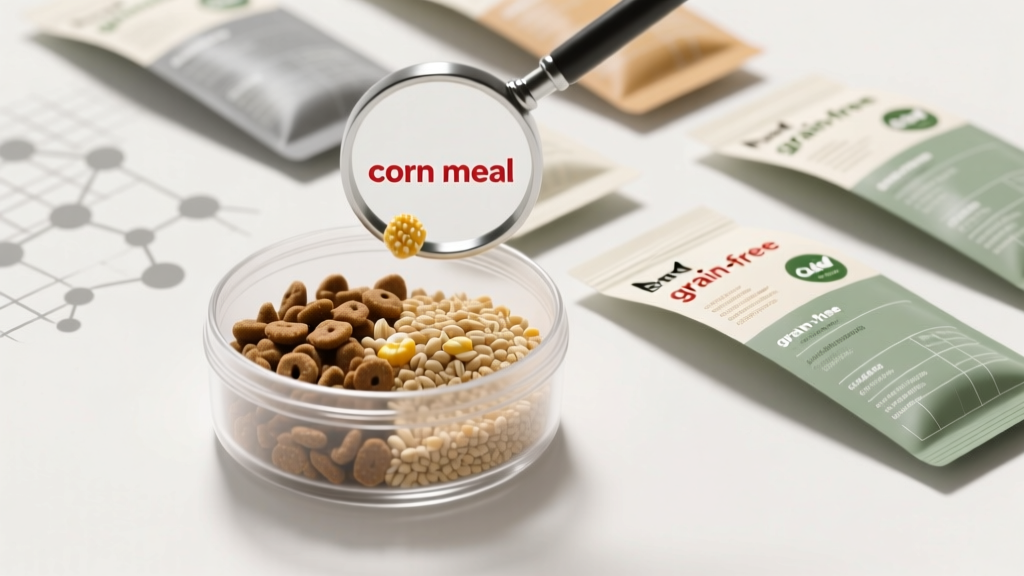
Grain-free simply replaces grains with other carbohydrate sources (peas, lentils, potatoes, tapioca). Some cats do fine on grain-free, others don’t. Digestibility depends on the entire formulation, processing, and your cat’s tolerance—not the presence or absence of grains. - Myth: “By-products are filler and useless.”
Organ meats can be highly nutritious and digestible. The concern is variability and sourcing, not the concept of organ tissue itself. A reputable manufacturer with strong quality control matters more than a single buzzword. - Myth: “Higher protein always equals better digestion.”
Protein quality and amino acid balance matter. Extremely high protein won’t fix an intolerance, and some medical conditions require specialized protein strategies directed by a veterinarian. - Myth: “If my cat’s stool is small, the food must be perfect.”
Small stools can indicate high digestibility, but they can also occur with underfeeding or dehydration. Assess stool quality alongside body condition, energy, coat, and hydration. - Myth: “Cats will self-regulate what they need.”
Many cats overeat energy-dense foods or under-consume when stressed or ill. Digestibility and calorie density can make self-regulation less reliable, especially for indoor cats.
7) Implementing changes safely (transition tips)
Digestive upset is often caused by abrupt diet changes rather than a “bad” food. Transition slowly unless your veterinarian instructs otherwise.
Standard transition schedule (7–10 days)
- Days 1–2: 75% old food / 25% new food
- Days 3–4: 50% old / 50% new
- Days 5–7: 25% old / 75% new
- Day 8+: 100% new food
Tips for smoother transitions
- Measure portions to avoid overfeeding during the switch.
- Keep treats consistent (or pause them) to clearly evaluate the new diet.
- Track stool quality, vomiting, appetite, and energy daily for 2 weeks.
- If diarrhea occurs, slow the transition; if severe or persistent, contact your veterinarian.
Seek veterinary care promptly if your cat has repeated vomiting, blood in stool, marked lethargy, dehydration, refusal to eat for 24 hours (or 12 hours for kittens), or rapid weight loss.
8) Special considerations: age, health conditions, activity level
Kittens
- Need energy-dense, highly digestible nutrition for growth.
- Choose diets labeled for “growth” or “all life stages.”
- Frequent soft stool can be from parasites or dietary changes—have kittens checked by a vet rather than swapping foods repeatedly.
Adult indoor cats
- Often have lower energy needs; highly digestible, calorie-dense foods can lead to weight gain if portions aren’t controlled.
- Consider diets with moderate calories and appropriate fiber for satiety, while maintaining high-quality protein.
Seniors
- May have reduced appetite, dental issues, or GI sensitivity.
- Highly digestible protein can help preserve lean mass, but seniors also commonly develop kidney disease—diet choices should be guided by your veterinarian and lab work.
GI-sensitive cats (chronic diarrhea/vomiting)
- Work with a veterinarian to rule out parasites, pancreatitis, hyperthyroidism, IBD, and other causes.
- Veterinary “highly digestible” or hydrolyzed protein diets are often the most evidence-based place to start.
Food allergies vs. intolerances
- True food allergy in cats is less common than many owners think and often presents as skin issues (itching) as well as GI signs.
- The gold standard diagnostic approach is a veterinarian-supervised elimination diet trial using a prescription hydrolyzed diet or a novel protein diet with strict control.
Overweight cats
- Highly digestible diets can be beneficial, but weight loss requires calorie control.
- A veterinary weight management diet may balance satiety, protein, and controlled calories better than “light” over-the-counter options.
9) FAQ: common questions about digestibility scores
1) Are digestibility scores published on cat food labels?
Usually no. Most labels don’t include digestibility percentages. Some manufacturers share digestibility data on their websites or by request. If they do, ask whether the data comes from feeding trials and what nutrients were measured (protein, fat, dry matter, energy).
2) Does wet food automatically mean better digestibility?
Not automatically. Many cats do very well on wet food, and moisture can support urinary and bowel health. Digestibility still depends on ingredient selection, formulation, and how your individual cat responds. Some cats digest certain kibbles better than certain canned foods (and vice versa).
3) If my cat has smelly stools, does that mean poor digestibility?
It can, but not always. Stool odor can increase with certain proteins, higher sulfur-containing ingredients, gut microbiome shifts, or GI disease. If odor is accompanied by loose stool, mucus, blood, or frequent bowel movements, contact your veterinarian for evaluation.
4) What’s the difference between “highly digestible” and “easy to digest” on marketing claims?
“Highly digestible” is sometimes used in a scientific sense (especially in veterinary diets), but it can also be marketing language. Look for brand transparency, feeding trials, and your cat’s real-world response (stool, coat, body condition). For chronic GI issues, veterinary therapeutic diets have stronger evidence and tighter quality control.
5) Should I add digestive enzymes or probiotics to improve digestibility?
Sometimes, but not as a first step for every cat. Probiotics may help certain cases of diarrhea or stress-related GI upset, and enzymes are occasionally used for diagnosed conditions (like exocrine pancreatic insufficiency, which is uncommon in cats). Use supplements under veterinary guidance, since product quality varies and some cats worsen with the wrong supplement.
6) Can a highly digestible diet help hairballs?
It may help indirectly if your cat’s gut tolerance improves, but hairballs are more strongly influenced by grooming, shedding, coat health, and fiber type. Some cats benefit from targeted hairball diets with specific fiber blends. Frequent vomiting should be discussed with your veterinarian to rule out GI disease.
Veterinary reminder: Digestibility is only one part of choosing the best diet. If you’re considering a major change (especially for kittens, seniors, or cats with kidney disease, diabetes, urinary issues, or chronic GI signs), consult your veterinarian for individualized guidance and safe monitoring.
For more practical, cat-health-focused nutrition guides, explore the latest articles on catloversbase.com and keep building a feeding plan that supports a long, comfortable life.