Cat Food Copper Levels: Too Much Causes Liver Damage
1. Why copper in cat food matters for cat health
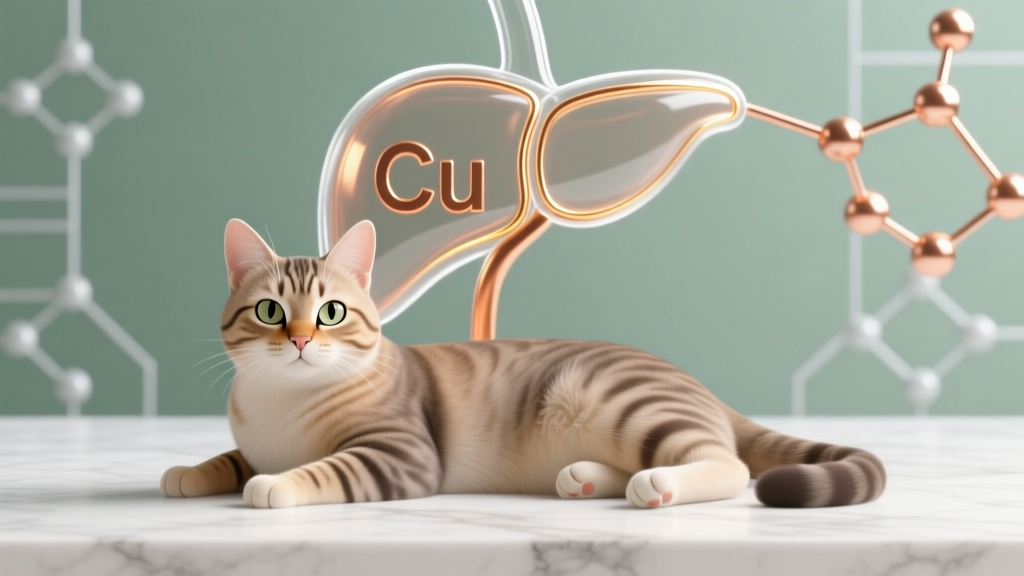
Copper is a trace mineral your cat needs in tiny amounts, but it sits in a “Goldilocks zone”: too little can cause health problems, and too much can put real strain on the liver. Over time, excess copper may accumulate in liver tissue and contribute to inflammation, scarring, and liver dysfunction in susceptible cats.
Most cat owners think about protein, calories, or grain-free labels. Minerals rarely get attention until a cat develops chronic vomiting, poor appetite, weight loss, or abnormal liver bloodwork. Understanding copper sources and how to choose diets thoughtfully can help you support long-term liver health—especially for senior cats or cats with existing liver disease.
2. Scientific background: feline nutrition and why minerals behave differently in cats
Cats are obligate carnivores. Their metabolism is designed for animal-based diets with high protein, moderate fat, and limited carbohydrate. That biology influences mineral handling in a few key ways:
- High protein intake is normal for cats, and many nutrients (including copper) come packaged with animal tissues such as liver and shellfish.
- Cats have unique amino acid and vitamin requirements (taurine, preformed vitamin A, arachidonic acid). These requirements often drive diet formulation toward animal ingredients that can also be naturally copper-rich.
- Minerals interact with each other: zinc, iron, and molybdenum can influence copper absorption and storage. A diet’s overall mineral balance matters, not just one number on a label.
- The liver is central to nutrient processing, including copper storage and excretion through bile. When copper intake exceeds what the body can safely handle, the liver is the “bottleneck.”
To be clear: copper is essential. It supports red blood cell formation, connective tissue, immune function, pigmentation, and antioxidant enzymes. The problem is chronic excess—especially when it is highly bioavailable and consumed for months to years.
3. Detailed analysis: copper needs, sources, and how too much can harm the liver
What copper does in the body
- Enzyme function (energy metabolism, antioxidant defense)
- Iron metabolism (helps prevent certain types of anemia)
- Connective tissue formation (collagen and elastin cross-linking)
- Skin and coat (pigment and keratin-related processes)
How copper is regulated
After absorption in the intestine, copper travels to the liver. The liver stores copper and also packages it for use in enzymes throughout the body. Excess copper is primarily excreted in bile. If bile flow is reduced (cholestasis) or liver cells are damaged, copper can accumulate more readily—creating a vicious cycle where copper contributes to further oxidative injury.
When copper becomes a problem
Veterinary medicine recognizes copper-associated liver disease in dogs, and copper accumulation is also documented in cats, particularly in some cats with chronic liver conditions. Not every cat eating a higher-copper food will develop liver damage; risk depends on genetics, underlying liver health, total intake, and mineral interactions.
Chronic excess copper may contribute to:
- Hepatitis (liver inflammation)
- Fibrosis/cirrhosis (scarring over time)
- Oxidative stress inside liver cells
- Worsening of pre-existing cholestatic disease (reduced bile flow)
Signs that could overlap with copper-related liver stress
These signs are not specific to copper overload (many diseases can cause them), but they’re common with liver issues:
- Reduced appetite, picky eating, weight loss
- Vomiting, nausea, drooling
- Lethargy, hiding, reduced play
- Diarrhea or constipation
- Jaundice (yellow tint to gums/eyes/skin)
- Behavior changes, disorientation (advanced liver dysfunction)
If you see these, a vet visit is the right next step. Liver disease is not a DIY diagnosis.
Where copper in cat food comes from
| Source | Examples | Why it matters |
|---|---|---|
| Natural ingredient copper | Liver, organ meats, shellfish, some fish | Can raise copper even without added supplements; organ-heavy diets may be higher. |
| Supplemental copper | Copper sulfate, copper proteinate/chelate, copper gluconate | Added to meet nutrient profiles; some forms may be more bioavailable than others. |
| Water and environmental exposure | Copper plumbing, well water in some regions | Usually minor, but can contribute in rare cases or in sensitive cats. |
| Supplements/toppers | Multivitamins, “hair/skin” supplements, organ powder toppers | Easy to unintentionally exceed needs when combined with complete diets. |
Understanding labels: why “minimum copper” doesn’t tell the whole story
Pet food labels commonly list copper as a minimum, not an actual measured average. The real copper level can be higher due to ingredient variability and formulation buffers. In addition, labels may not reflect copper per calorie, which is important because a small cat eating fewer calories still needs adequate nutrients without excessive concentrations.
For owners trying to be evidence-based, the most useful approach is:
- Choose diets from manufacturers that provide a typical analysis upon request (including copper on a dry matter and/or per 1,000 kcal basis).
- Avoid stacking multiple copper-containing toppers and supplements on top of a “complete and balanced” food unless your veterinarian specifically recommends it.
Evidence-based reality check: copper is essential, and deficiency is also harmful
Some online advice demonizes copper and pushes extreme restriction. That can backfire. Copper deficiency may contribute to anemia, poor immune function, coat changes, and connective tissue issues. The goal is an appropriate range tailored to your cat’s health status, not “as low as possible.”
4. Practical recommendations for cat owners
- Feed a complete and balanced diet that meets AAFCO or equivalent standards for your cat’s life stage.
- Limit organ-meat-heavy DIY feeding unless formulated by a board-certified veterinary nutritionist. Organ meats are nutrient-dense and easy to overdo.
- Be cautious with liver treats and organ toppers (freeze-dried liver, “ancestral” organ blends). These can drive copper intake up quickly.
- Skip routine multivitamins for cats already eating a complete diet, unless prescribed. Extra minerals are a common source of unintended excess.
- If your cat has liver disease, ask your vet whether a liver-support diet is appropriate and whether copper control is part of the plan.
Always consult your veterinarian before making major dietary changes, especially if your cat has abnormal liver enzymes, digestive issues, or is on medications.
5. Comparing approaches: standard diets, “organ-rich” foods, and veterinary liver diets
| Approach | Pros | Potential copper concerns | Best for |
|---|---|---|---|
| Standard commercial complete diet | Balanced minerals; quality control; convenient | Some recipes may be higher due to ingredients + supplementation; label may not show typical copper | Most healthy cats |
| “Ancestral/organ-rich” boutique foods and toppers | High palatability; nutrient-dense | Organ content can raise copper significantly; easy to overfeed toppers | Occasional use in small amounts; avoid for liver disease unless vet-approved |
| Home-prepared raw/cooked without professional formulation | Ingredient control | High risk of mineral imbalance (too much or too little copper); safety and nutrient gaps common | Only with veterinary nutritionist formulation and monitoring |
| Veterinary therapeutic liver-support diets | Designed for hepatic patients; controlled nutrients; consistent formulation | Not all liver diets are identical; copper strategy varies by product and diagnosis | Cats with diagnosed liver disease (vet guidance required) |
6. Common mistakes and misconceptions to avoid
- Myth: “More meat is always better.” Reality: Cats need animal-based nutrition, but “more organ” is not automatically healthier. Organs are potent sources of copper and vitamin A.
- Myth: “If it’s natural, it can’t cause toxicity.” Reality: Natural ingredients (like liver) can deliver very high nutrient doses.
- Mistake: Adding daily liver treats to a complete diet. A few small pieces occasionally may be fine for many healthy cats, but daily use can push copper (and vitamin A) higher than intended.
- Mistake: Using a multivitamin ‘just in case.’ For cats on complete diets, this commonly creates excess rather than preventing deficiency.
- Myth: “Grain-free means lower copper.” Reality: Copper levels have more to do with mineral premixes and organ content than grains.
- Mistake: Switching foods repeatedly without a plan. Frequent changes can cause GI upset and make it harder to identify which diet truly suits your cat.
7. How to implement changes safely (transition tips)
If you and your veterinarian decide to adjust copper exposure (or change diets for liver health), transition gradually to protect appetite and digestion.
- Standard transition (healthy cats): Mix the new food into the old over 7–10 days.
- Sensitive stomach or history of food refusal: Extend to 10–14 days; increase the new food more slowly.
- For cats with liver disease: Follow your vet’s plan closely. Cats are prone to hepatic lipidosis if they stop eating, so maintaining calorie intake is critical.
| Day | Old Food | New Food |
|---|---|---|
| 1–3 | 75% | 25% |
| 4–6 | 50% | 50% |
| 7–9 | 25% | 75% |
| 10+ | 0% | 100% |
Helpful transition strategies:
- Warm wet food slightly to enhance aroma.
- Offer small, frequent meals.
- Keep treats consistent and minimal during transitions.
- If your cat skips meals for more than 24 hours (or less for kittens), call your vet.
8. Special considerations: age, health conditions, and lifestyle
Kittens
- Kittens need nutrient-dense diets with correct mineral balance for growth.
- Avoid DIY mineral tinkering. Choose a kitten-formulated complete diet.
Adult cats
- Most healthy adult cats do well on reputable complete diets without supplements.
- If you rotate foods, keep the rotation within high-quality complete diets rather than adding organ toppers.
Senior cats
- Seniors are more likely to have early kidney disease, thyroid disease, or chronic GI problems, all of which can complicate diet decisions.
- Ask your vet about periodic screening (weight trends, bloodwork). If liver enzymes rise, copper intake may become part of the bigger diagnostic picture.
Cats with diagnosed liver disease (hepatitis, cholangitis, hepatic lipidosis history)
- Diet goals often include: maintaining calories, supporting appetite, optimizing protein quality, and managing nutrients that can stress the liver in certain conditions.
- Copper management may be recommended depending on the diagnosis and lab findings.
- Do not restrict protein dramatically without veterinary direction; cats need protein to maintain lean mass and avoid metabolic complications.
Cats with inflammatory bowel disease (IBD) or chronic vomiting
- These cats may benefit more from a carefully chosen limited-ingredient, hydrolyzed, or highly digestible diet than from mineral-focused changes alone.
- Because appetite can be fragile, any diet change should be gradual and monitored.
Highly active cats vs. indoor loungers
- Activity affects calorie needs. Cats eating fewer calories (typical indoor cats) may end up with higher nutrient concentration per calorie in some foods or treat-heavy routines.
- Keep treats under about 10% of daily calories to avoid distorting nutrient balance.
9. FAQ: common questions about copper in cat food
How do I know if my cat’s food has “too much” copper?
You often can’t tell from the label alone because copper is listed as a minimum. Contact the manufacturer for a typical analysis (ask for copper on a dry matter basis and, ideally, per 1,000 kcal). If your cat has liver disease or abnormal liver enzymes, your veterinarian can help interpret whether a different diet is appropriate.
Can copper cause liver damage in cats?
Excess copper can accumulate in the liver and contribute to oxidative injury, especially in cats with underlying liver conditions or impaired bile flow. Not every cat develops toxicity, but chronic high intake can be a risk factor. If liver disease is suspected, diagnosis and treatment must be veterinary-led.
Are fish-based foods higher in copper?
Not always. Some fish and shellfish ingredients can contribute copper, but copper levels depend more on the overall recipe (including organ content) and the mineral premix. If you’re concerned, ask for typical nutrient values.
Should I stop feeding liver treats?
For healthy cats, occasional small portions may be fine, but daily liver treats or organ toppers can push copper (and vitamin A) higher than intended. For cats with liver disease or unexplained elevated liver enzymes, avoid liver treats unless your veterinarian approves.
Is a homemade diet safer for controlling copper?
Only if it’s formulated by a board-certified veterinary nutritionist (or a veterinarian with advanced nutrition training) and followed precisely. Homemade diets are commonly deficient or excessive in minerals when formulated from internet recipes.
What tests can my vet run if copper overload is a concern?
Your vet may start with bloodwork (ALT, AST, ALP, GGT, bilirubin), bile acids, and imaging (ultrasound). Definitive assessment of hepatic copper typically involves specialized testing of liver tissue (biopsy) when clinically justified. Your vet will weigh benefits and risks based on your cat’s case.
If you want to fine-tune your cat’s diet, copper is one piece of a much bigger nutrition puzzle. Work with your veterinarian for individualized guidance—especially if your cat is sick, elderly, or on medication. For more practical, science-based feeding help, explore the nutrition guides and food-selection articles on catloversbase.com.