Cat Food Enzymatic Pretreatment: Digestibility Improvement
Is enzymatically pretreated cat food the same as a hydrolyzed-protein veterinary diet?
Not necessarily. Hydrolyzed veterinary diets are specifically engineered to break proteins into smaller fragments to reduce immune recognition and are used clinically for diet trials and GI conditions. Over-the-counter enzyme-treated foods may use enzymes for digestibility or palatability, but they may not meet the same hydrolysis targets or testing standards. Ask your veterinarian which category is appropriate for your cat’s symptoms.
Will enzyme-pretreated food help with hairballs and vomiting?
It can help some cats if vomiting is linked to poor digestibility or food sensitivity, but hairballs also relate to grooming, coat shedding, stress, and GI motility. If vomiting is frequent (weekly or more, or any pattern that concerns you), a veterinary assessment is the safest next step before relying on a diet change alone.
Are enzyme powders safe to sprinkle on my cat’s food?
Some are safe when used correctly, but effectiveness is variable, and they should not be used to compensate for an unbalanced diet. Enzyme products can also irritate the mouth or GI tract in certain cases, and dosing is not standardized across brands. Consult your veterinarian before adding enzymes, especially if your cat has chronic GI disease or is on medication.
How can I tell if digestibility is improving?
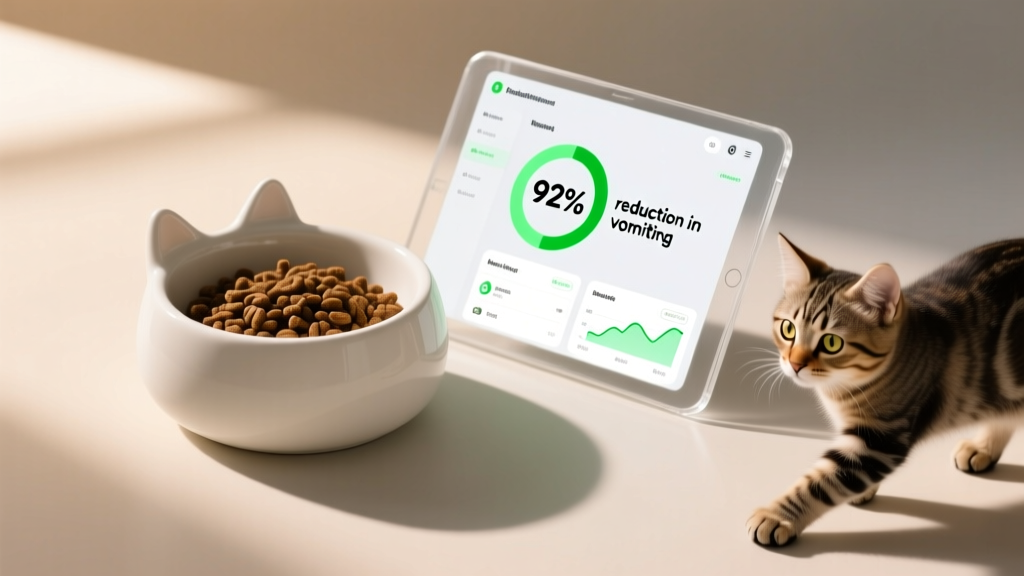
Look for practical changes: fewer episodes of vomiting, better-formed stools, less gas/odor, improved coat quality, stable appetite, and steady body condition. Your vet may also monitor weight trends, muscle condition scoring, stool testing, and (when needed) bloodwork for nutrient status.
If my cat has a food allergy, should I choose “limited ingredient” or “hydrolyzed”?
For suspected adverse food reactions, veterinarians often prefer a hydrolyzed diet trial or a truly novel-protein diet with strict control of exposures. Limited-ingredient retail diets can help some cats, but cross-contamination and prior exposure to “novel” proteins can reduce reliability. Your vet can recommend the best trial approach and duration.
Does enzymatic pretreatment reduce taurine needs or replace taurine supplementation?
No. Taurine is essential for cats and must be present in adequate amounts in the finished food. Hydrolysis or enzymes do not remove the need for correct formulation and quality control. Choose diets that are complete and balanced for your cat’s life stage.
Veterinary guidance reminder: If your cat has ongoing vomiting, diarrhea, weight loss, poor appetite, or changes in thirst/urination, consult your veterinarian before changing diets or adding supplements. Digestibility tools work best when matched to the underlying cause.
For more practical, science-based feeding advice, explore the nutrition guides and cat food deep-dives on catloversbase.com.