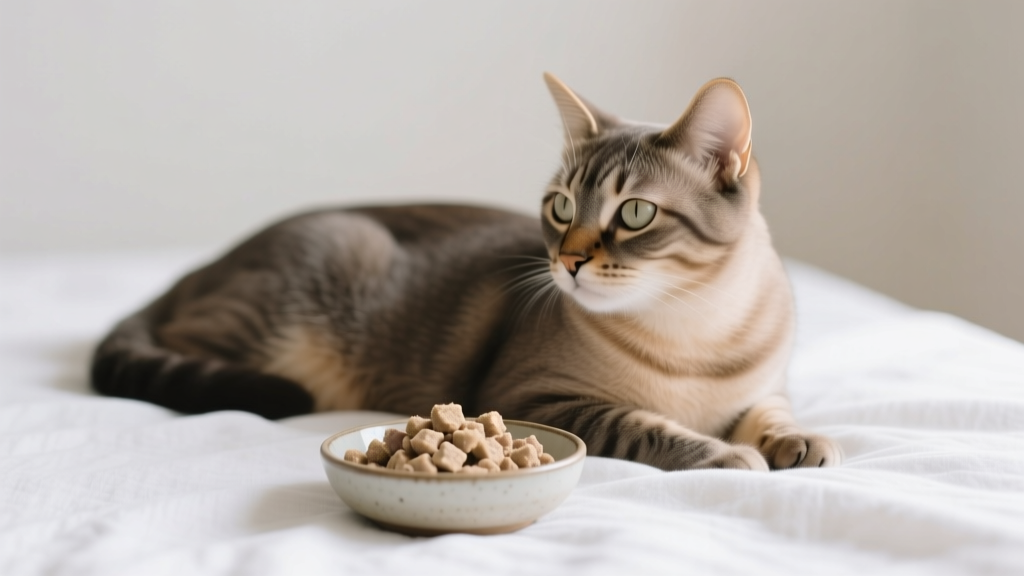
Feeding Cats With Diabetes: Low-Carb High-Protein Plan
1) Why this topic matters for cat health
Feline diabetes mellitus is one of the most common endocrine disorders in older cats, and nutrition is a cornerstone of treatment. The food you choose directly affects post-meal blood glucose, insulin needs, body weight, and even the chance of diabetic remission in some cats. A well-designed low-carbohydrate, high-protein plan can reduce glucose spikes, support lean muscle, improve satiety, and help manage (or reverse) insulin resistance when paired with veterinary care.
That said, “diabetes diet” is not one-size-fits-all. Cats vary in weight, activity, concurrent diseases (kidney disease, pancreatitis, GI disorders), and how they respond to insulin. Any major diet change should be coordinated with your veterinarian, because insulin doses may need adjustment quickly to prevent hypoglycemia.
2) Scientific background: feline nutritional needs and obligate carnivore biology
Cats are obligate carnivores. Their metabolism is designed around animal-based protein and fat rather than starch:
- Protein-driven metabolism: Cats have high baseline protein requirements and rely on amino acids for many essential functions. They use protein for energy more readily than omnivores.
- Limited carbohydrate handling: Cats can digest starch, but they have no nutritional requirement for carbohydrates and often show larger blood glucose rises after high-starch meals.
- Natural diet pattern: Prey-based intake is typically high in moisture, moderate-to-high in protein, moderate in fat, and very low in carbohydrates.
- Glucose regulation: Many cats with diabetes have insulin resistance associated with excess body fat, inactivity, and sometimes concurrent inflammation (such as pancreatitis).
Because of this biology, many diabetic cats do well on diets that are low in carbohydrates and high in animal protein, especially when the goal is smoother glucose curves and weight control.
3) Detailed analysis: what “low-carb, high-protein” means for diabetic cats
Carbohydrates: the biggest lever for post-meal glucose
In practical terms, “low-carb” for diabetic cats usually means under 10% of calories from carbohydrates (often reported as “% ME,” meaning metabolizable energy). Some veterinary nutritionists target even lower, but the best target depends on the cat’s response, diet tolerability, and other health issues.
Dry kibble typically requires starch to form the biscuit, so many dry foods are higher in carbohydrates than canned foods. This is one reason canned diets are frequently recommended for diabetic cats.
Protein: supports muscle and improves satiety
“High-protein” usually means at least 40% of calories from protein (again, % ME). Adequate protein:
- Helps preserve lean body mass during weight loss
- Improves fullness and can reduce begging behaviors
- Supports immune function and tissue repair
Protein quality matters. Look for animal-based proteins (poultry, beef, fish, rabbit) as primary ingredients and avoid diets that rely heavily on plant protein concentrates to boost protein numbers.
Fat: useful energy source, but calories add up fast
Fat is a dense calorie source and can help make low-carb foods palatable. For overweight diabetic cats, fat level should be balanced so the diet is not excessively calorie-dense. For cats that are underweight from uncontrolled diabetes, higher-calorie foods can help regain healthy body condition under veterinary supervision.
Moisture: a hidden advantage of wet food
Most canned foods contain 70–80% moisture, which supports hydration and urinary tract health. Some diabetic cats drink and urinate excessively before regulation; wet food can help overall fluid intake once glucose is better controlled.
Fiber: not always the enemy
Carbohydrate restriction doesn’t mean “zero fiber.” Some cats benefit from moderate fiber, especially if constipation is an issue or if controlled fiber helps manage appetite. However, very high-fiber diets are not always ideal for cats and may reduce calorie density too much in thin cats.
Weight management and remission potential
Obesity is strongly linked to insulin resistance in cats. For overweight diabetic cats, safe, gradual weight loss can improve insulin sensitivity. In some cats, combining appropriate insulin therapy with a low-carb canned diet and weight loss can lead to diabetic remission. Remission is never guaranteed, and cats can relapse, but nutritional strategy is a major supportive tool.
Key nutrient targets (general starting points)
| Diet feature | Common target for diabetic cats | Why it helps |
|---|---|---|
| Carbohydrates | < 10% of calories (ME) | Reduces post-meal glucose spikes and may lower insulin needs |
| Protein | ≥ 40% of calories (ME) | Supports muscle, improves satiety, aligns with carnivore physiology |
| Moisture | Higher (wet/canned preferred) | Supports hydration; often correlates with lower carbs |
| Calories | Customized to ideal weight and body condition | Weight loss (if overweight) improves insulin sensitivity |
Work with your veterinarian for targets tailored to your cat, especially if there are kidney, liver, or GI concerns.
4) Practical recommendations for cat owners
What to feed (most common vet-aligned approach)
- Prioritize canned/wet foods labeled “complete and balanced” (AAFCO/FEDIAF compliant).
- Choose low-carbohydrate formulas (often pate-style). Many gravies and “in sauce” foods use starch thickeners that increase carbs.
- Feed measured meals to control calories and coordinate with insulin schedules (your vet will advise timing).
- Avoid free-feeding dry food in most diabetic cats, unless your veterinarian has a specific plan and carbohydrate level is verified.
- Use a consistent diet once regulation improves. Frequent brand/flavor switching can complicate glucose control and upset digestion.
Treats: keep them truly low-carb
Treats can be part of life with diabetes, but choose options that don’t spike glucose:
- Freeze-dried single-ingredient meats (chicken, turkey, salmon)
- Small bits of cooked unseasoned meat
- Commercial diabetic-friendly treats with minimal starch (read labels carefully)
Avoid crunchy treats, biscuits, and many soft treats that use sugars/syrups or starch binders.
Feeding schedule basics (coordinate with insulin)
Some cats do best with two main meals timed around insulin; others benefit from multiple smaller meals to smooth glucose curves. The “best” schedule depends on insulin type, glucose patterns, and your household routine. Ask your veterinarian before changing meal timing, especially if your cat is on insulin.
5) Comparison of options and approaches
| Approach | Pros | Cons / cautions | Best fit for |
|---|---|---|---|
| Low-carb canned (over-the-counter) | Often very low in carbs; high moisture; widely available | Carb levels vary by formula; label doesn’t list carb % directly | Most diabetic cats without complex comorbidities |
| Veterinary therapeutic diabetic diets | Designed for glucose control; consistent formulation; vet guidance | Cost; some are higher fiber; not always the lowest-carb option | Cats needing structured plan; multi-cat homes needing one diet |
| Low-carb dry | Convenience; some cats prefer it | Often still higher carb than wet; lower moisture; easier to overeat | Limited cases when wet is refused and carbs are verified low |
| Home-cooked (vet-formulated) | Ingredient control; can be very low-carb; palatability can be excellent | Must be balanced by a veterinary nutritionist; risk of deficiencies if DIY | Cats with allergies/intolerances; owners committed to precise prep |
| Raw (commercial or homemade) | Often low-carb | Food safety risks; not appropriate for immunocompromised households; must be complete and balanced | Only with strong vet support and strict safety practices |
6) Common mistakes and misconceptions to avoid
- Myth: “Diabetic cats need a grain-free diet.”
Reality: Grain-free doesn’t automatically mean low-carb. Many grain-free foods replace grains with potatoes, peas, tapioca, or other starches that still raise carbohydrate levels. - Mistake: Switching to low-carb food without adjusting insulin.
Low-carb diets can reduce insulin needs quickly. If insulin isn’t adjusted, hypoglycemia can occur. Diet changes should be done with veterinary oversight and appropriate glucose monitoring. - Myth: “Dry food is fine as long as the cat likes it.”
Reality: Preference matters, but glucose control matters more. Many dry foods are higher in carbs and easier to overeat, complicating regulation and weight loss. - Mistake: Treat overload.
“Just a few treats” can add significant carbs and calories. Keep treats to a small percentage of daily calories and choose protein-based options. - Myth: “All canned food is low-carb.”
Reality: Some canned foods (especially in gravy) contain higher starch levels. Texture can be a clue, but not a guarantee. - Mistake: Rapid weight loss.
Over-restricting calories can risk hepatic lipidosis (fatty liver), especially in overweight cats that stop eating. Weight loss should be gradual and supervised.
7) How to implement changes safely (transition tips)
Plan diet changes as a medical change, not a casual swap. Use your veterinarian as a partner, especially if your cat is on insulin.
Step-by-step transition (typical approach)
- Talk to your vet first about the target diet and whether insulin dosing needs proactive adjustment.
- Start with a gradual transition over 5–10 days for most cats:
- Days 1–3: 75% old food / 25% new food
- Days 4–6: 50% old / 50% new
- Days 7–9: 25% old / 75% new
- Day 10: 100% new food
- Monitor appetite, stool, and behavior. Vomiting, diarrhea, refusal to eat, or lethargy warrants a vet call.
- Increase glucose monitoring as directed (home blood glucose curves or continuous glucose monitoring where available).
- Re-check weight and body condition every 2–4 weeks initially to ensure the plan is working.
Tips for cats resistant to wet food
- Warm the food slightly to boost aroma.
- Add a spoonful of warm water or low-sodium meat broth (no onion/garlic).
- Try different textures: pate, minced, shredded (while keeping carbs low).
- Use topper “sprinkles” like freeze-dried meat dust.
- Move slowly—some cats take weeks to accept change.
8) Special considerations (age, health conditions, activity level)
Senior cats
Most diabetic cats are middle-aged to senior. Seniors may have arthritis, dental disease, or reduced appetite. Choose highly palatable, soft textures and ensure calories and protein support muscle maintenance. Regular weigh-ins matter because seniors can lose muscle quickly.
Overweight cats
Weight loss can significantly improve insulin sensitivity, but it must be slow and controlled. Your vet can set a safe calorie target and rate of loss. Avoid crash diets and never allow prolonged fasting.
Underweight cats or newly diagnosed uncontrolled diabetes
Some cats lose weight despite eating well. Before restricting calories, focus on glucose regulation with veterinary guidance. Once diabetes is controlled, body condition can normalize.
Chronic kidney disease (CKD)
CKD changes the nutrition conversation. Some cats need moderated phosphorus, controlled protein quality/amount, and careful hydration management. A very high-protein plan may not be ideal for all CKD cats. If your diabetic cat has CKD, ask your vet about balancing carb control with kidney-friendly targets.
Pancreatitis or GI disease
Some cats with pancreatitis do better with highly digestible diets and consistent feeding. Fat level may need adjustment, and appetite can fluctuate. Work closely with your vet—these cats often benefit from individualized nutrition and anti-nausea/appetite support.
Multi-cat households
Managing a diabetic cat alongside non-diabetic cats is tricky. Strategies include:
- Feeding all cats a similar low-carb canned diet (if appropriate for everyone)
- Microchip feeders to prevent food-stealing
- Scheduled meals instead of free-feeding
9) FAQ: common questions about diabetic cat diets
How low should carbohydrates be for a diabetic cat?
Many cats do well at under 10% of calories from carbs (ME). Some benefit from lower. The right target depends on glucose response, insulin type/dose, and other medical conditions. Your vet can help interpret food choices and glucose data.
Is a prescription diabetic diet necessary?
Not always. Many over-the-counter canned foods are appropriately low-carb and high-protein. Prescription diets can be helpful for consistency, specific fiber targets, or complex cases. The best diet is one your cat will eat reliably and that supports stable glucose under veterinary monitoring.
Can my cat go into remission with diet alone?
Some cats achieve remission after early diagnosis when diet changes are combined with appropriate insulin therapy and weight management. Diet alone is rarely enough at diagnosis. Never stop insulin without veterinary instructions—doing so can be dangerous.
Are “grain-free” foods better for diabetic cats?
Not automatically. Grain-free foods can still be high in starch (peas, lentils, potatoes, tapioca). Focus on the actual carbohydrate level and overall nutrient balance, not the marketing terms.
Should I feed multiple small meals or two meals a day?
Either can work. The ideal schedule depends on your cat’s insulin plan and glucose curve. Some cats do best with meals timed around insulin; others benefit from small frequent meals. Ask your vet before changing meal frequency.
What are signs my cat’s blood sugar may be too low after a diet change?
Possible hypoglycemia signs include sudden weakness, wobbliness, tremors, unusual sleepiness, disorientation, or seizures. This is an emergency. Contact a veterinarian immediately. This is also why diet changes should be coordinated with insulin adjustments and monitoring.
Bottom line: A low-carb, high-protein plan fits feline biology and can be a powerful tool for diabetic management, but it should be implemented with veterinary guidance, careful monitoring, and a focus on consistency.
For more practical feeding strategies, label-reading help, and condition-specific nutrition tips, explore more cat nutrition guides on catloversbase.com.