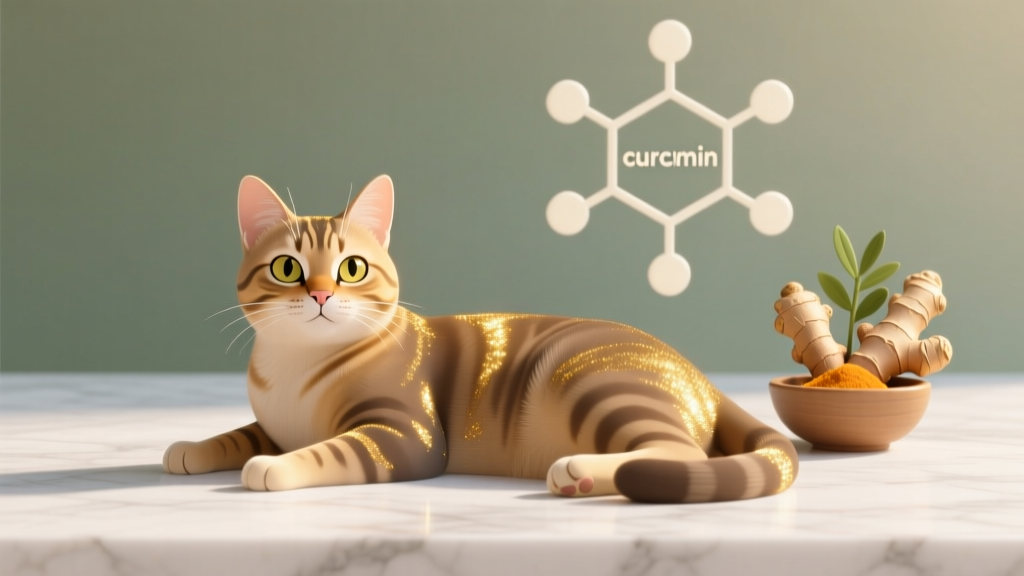
The Impact of Dietary Curcumin on Cat Systemic Inflammation
1) Can I just sprinkle turmeric on my cat’s food?
Not recommended as a DIY strategy. Turmeric powder contains variable curcumin levels, dosing is imprecise, and some cats develop GI upset or refuse the food. If you want to explore curcumin, ask your veterinarian about a cat-appropriate product and dose rather than using kitchen spices.
2) Is curcumin safe for cats?
Safety depends on the individual cat, the formulation, the dose, and concurrent medical issues/medications. The most common side effects reported with many supplements are gastrointestinal (vomiting, diarrhea, reduced appetite). Because feline-specific research is limited, curcumin should be treated cautiously and used only with veterinary guidance.
3) What’s the difference between turmeric and curcumin?
Turmeric is the whole plant powder; curcumin is one concentrated active component. A food or treat that lists “turmeric” may provide very little curcumin. Supplements labeled “curcumin extract” are more concentrated, but absorption and quality vary widely.
4) Are “curcumin with black pepper” supplements better?
They may increase absorption in humans, but that does not make them automatically appropriate for cats. Black pepper extract (piperine) can alter drug metabolism and may raise the risk of interactions or side effects. Don’t use piperine-containing products for your cat unless your veterinarian specifically directs it.
5) What should I try before curcumin for systemic inflammation?
Start with proven basics: a complete-and-balanced diet appropriate for your cat’s life stage, weight management if needed, dental care, and veterinarian-recommended omega-3 fatty acids when appropriate. If inflammation is driven by a medical condition (arthritis, IBD, CKD), a therapeutic diet and medical plan often provide the biggest improvement.
6) How will I know if curcumin is helping?
Work with your veterinarian to define measurable goals and a timeline. Examples include improved mobility (jumping, stairs), better stool quality, reduced scratching/licking, improved appetite consistency, and objective measures like weight and body condition. If there’s no clear benefit—or if side effects occur—your vet may recommend stopping it.
Veterinary partnership is essential: If you’re considering curcumin or any anti-inflammatory supplement, consult your veterinarian first for diagnosis, safety screening, and dosing guidance tailored to your cat.
If you’d like more practical, evidence-based feeding guidance for every life stage, explore our nutrition guides on catloversbase.com.