When to Take Your Cat to the Emergency Vet
Immediate Danger Signs
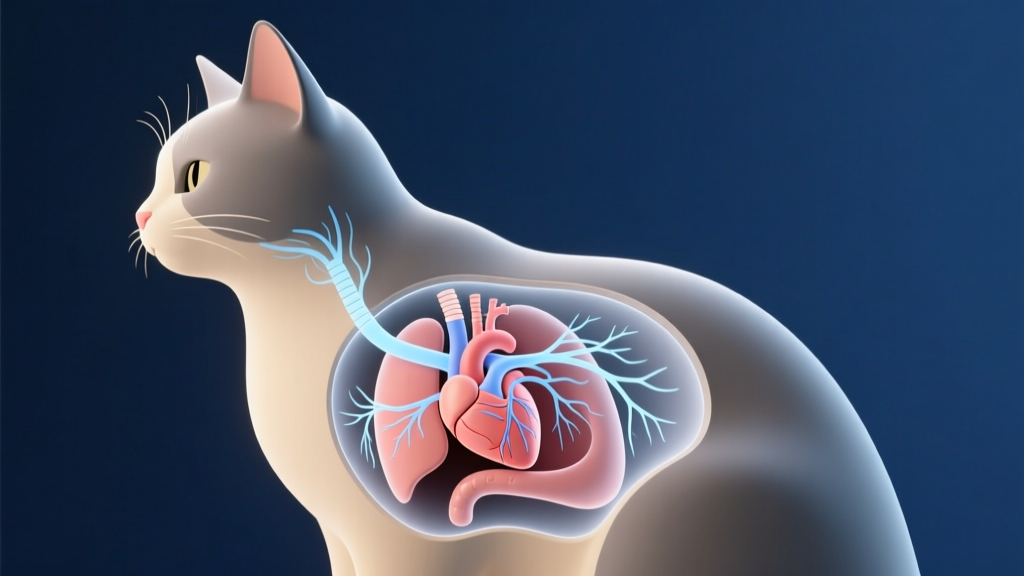
Respiratory distress—open-mouth breathing, wheezing, or cyanosis (blue-tinged gums)—requires ER attention within minutes. Cats rarely pant; when they do, it’s often a late sign of severe hypoxia. A resting respiratory rate over 40 breaths per minute warrants urgent evaluation (American Association of Feline Practitioners, 2023).
Urinary Blockage in Male Cats
Male cats with urinary obstruction can die within 24–48 hours without intervention. Symptoms include straining unproductively in the litter box, frequent small trips, vocalizing while urinating, and lethargy. In one 2022 study across 17 emergency clinics, 68% of blocked male cats presented after >12 hours of symptoms—delaying care significantly increased risk of acute kidney injury (Journal of Feline Medicine and Surgery, May 2022).
Neurological Emergencies
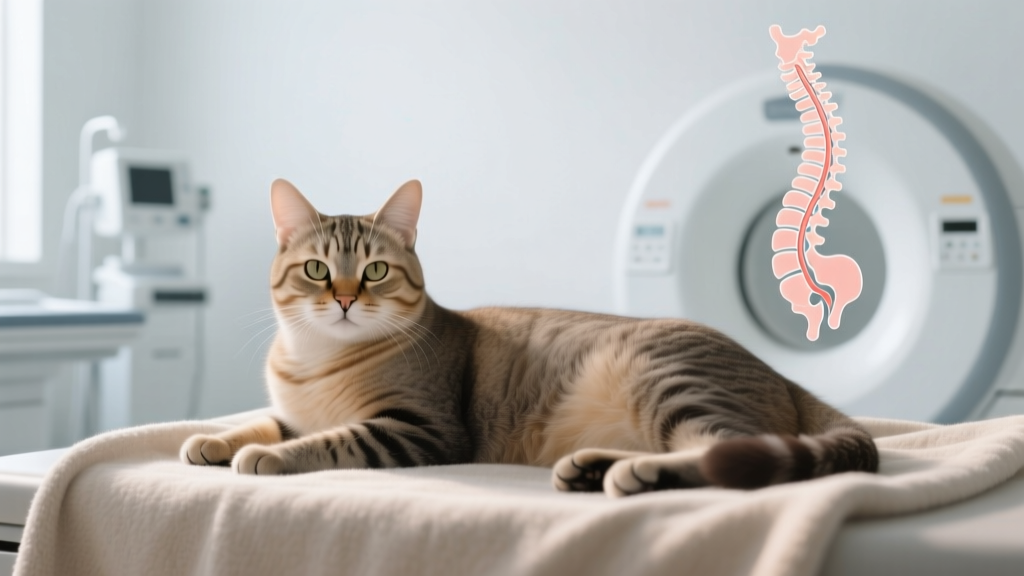
Seizures lasting longer than 2 minutes, or more than 2 seizures in 24 hours, constitute status epilepticus—a true emergency. Also alarming: sudden blindness, circling, head pressing, or inability to stand. Senior cats are especially vulnerable: 1 in 5 felines over age 15 develops hypertension-related retinal detachment, often presenting as acute vision loss.
Gastrointestinal Crises
Vomiting more than 3 times in 24 hours—or any vomiting accompanied by lethargy, dehydration, or blood—demands same-day assessment. Diabetic cats on insulin who skip meals or vomit may develop ketoacidosis; blood glucose testing at home using AlphaTRAK 2 (a feline-validated meter) can provide critical early data before transport.
Senior-Specific Red Flags
Cats aged 11+ show subtle signs of decline. Weight loss exceeding 10% of body weight in 6 months, new onset of vocalization at night, or disorientation in familiar rooms may signal cognitive dysfunction, hyperthyroidism, or renal failure. According to the 2023 ISFM Senior Care Guidelines, 42% of cats over age 12 have undiagnosed chronic kidney disease detectable only via bloodwork and urine specific gravity <1.030.
Do not wait for symptoms to worsen. Delayed treatment increases mortality: a 2021 analysis in Veterinary Emergency and Critical Care found that cats arriving at ERs >6 hours after onset of anorexia and lethargy had a 3.2× higher odds of death versus those seen within 2 hours.
Real-world example #1: Luna, a 9-year-old domestic shorthair, stopped eating Friday evening. Her owner assumed ‘just a hairball’ until Saturday afternoon, when she collapsed. Bloodwork revealed acute pancreatitis and severe dehydration—she required IV fluids and pain control for 48 hours.
Real-world example #2: Oliver, a 14-year-old neutered male, began hiding and licking his abdomen excessively Thursday. By Sunday, he was unable to urinate. At the ER, he was catheterized and diagnosed with urethral obstruction due to struvite crystals. He received IV antibiotics and was hospitalized for 36 hours.
| Symptom | Time Threshold for ER Visit | Key Supporting Fact |
|---|---|---|
| No urination (male) | Within 12 hours | Urethral pressure can cause cardiac arrhythmias by 24 hours |
| Seizure duration | Over 2 minutes | Neuronal damage risk rises sharply after 90 seconds |
| Rectal temperature | <99°F or >104°F | Feline normal range: 100.5–102.5°F (Merck Veterinary Manual, 2022) |
| Labored breathing | Any visible effort at rest | Normal resting respiration: 20–30 breaths/min |
| Acute collapse | Immediately | May indicate aortic thromboembolism—a 90% mortality rate if untreated |
"Cats mask illness until they’re critically ill. What looks like 'just tired' may be end-stage organ failure." — Dr. Sarah Chen, Cornell Feline Health Center, March 2024