Managing Arthritis in Cats: Signs & Care Tips
Recognizing Subtle Arthritis Signs
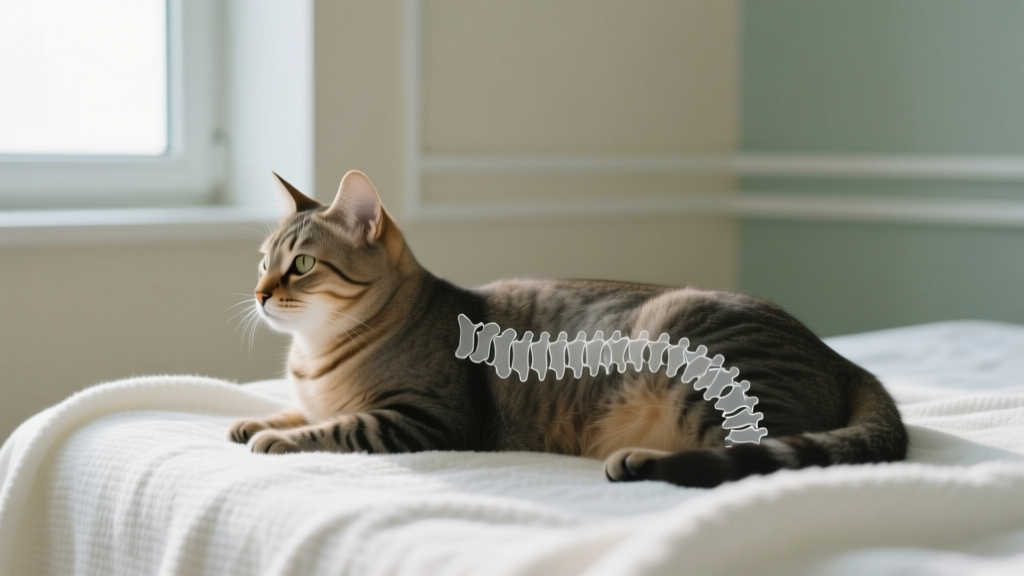
Cats mask pain exceptionally well. Early arthritis symptoms include reduced jumping (e.g., avoiding the windowsill they once used daily), stiffness after napping, decreased grooming—especially around the hindquarters—and reluctance to use litter boxes with high sides. A 2022 study in the Journal of Feline Medicine and Surgery found that 61% of cats over age 6 show radiographic evidence of osteoarthritis, yet fewer than 12% receive diagnosis or treatment (Murray et al., 2022).
Veterinary Diagnosis & Staging
Diagnosis requires a full orthopedic exam, weight assessment, and often radiographs or CT imaging. Veterinarians use the OA Staging System (OSA) to classify severity from Stage 1 (mild joint changes, no clinical signs) to Stage 4 (severe cartilage loss, chronic lameness). Bloodwork helps rule out concurrent conditions like kidney disease before prescribing NSAIDs.
Medication & Supplement Options
Gabapentin (off-label, dosed at 5–10 mg/kg every 8–12 hours) is commonly used for neuropathic pain. FDA-approved robenacoxib (Onsior®) is labeled for short-term use (≤3 days) in cats with acute pain. Glucosamine-chondroitin supplements like Dasuquin® Advanced (Nutramax Labs, launched 2019) show modest benefit in controlled trials when used for ≥8 weeks. Always consult your vet before starting any supplement—human formulations may contain xylitol or NSAIDs toxic to cats.
Daily Environmental & Lifestyle Adjustments
Raise food/water bowls to elbow height to ease neck and shoulder strain. Provide orthopedic beds with memory foam (e.g., Furhaven Pet Plush Sofa Bed, 4-inch thickness) and install low-entry litter boxes (entry height ≤3 inches). Add non-slip stair treads and ramps to favorite perches. One real-world case involved Luna, a 14-year-old domestic shorthair: after installing a ramp to her cat tree and switching to a heated orthopedic bed, her nighttime vocalization dropped by 70% over 6 weeks (recorded by owner using PetPace collar data, March 2025).
When to Seek Emergency Care
Sudden inability to bear weight on a limb, dragging a leg, or complete refusal to move warrants immediate vet attention—these may indicate fracture, nerve injury, or thromboembolism. Also seek urgent care if your cat stops eating for >24 hours or shows signs of NSAID toxicity (vomiting, lethargy, black tarry stools). In 2023, ASPCA Animal Poison Control reported 1,247 cases of accidental NSAID ingestion in cats—most involving human ibuprofen.
| Intervention | Evidence Level | Typical Onset of Benefit |
|---|---|---|
| Weight management (5–10% loss) | Strong (AAHA 2021 Guidelines) | 4–12 weeks |
| Therapeutic laser (Class IV) | Moderate (JFM&S, 2020) | 2–6 sessions |
| Injectable PSGAG (Adequan®) | Emerging (limited feline trials) | 3–8 weeks |
Weight control remains foundational: overweight cats have 2.8× higher odds of developing radiographic OA (Hardie et al., 2002). For Mochi, a 12-year-old Persian, a veterinarian-led diet plan (Hill’s j/d® prescribed in November 2024) led to a 9% weight reduction in 14 weeks—and restored his ability to climb onto the sofa unassisted.
Never give human pain relievers like acetaminophen or naproxen—they are fatal to cats even in tiny doses. Monitor mobility weekly using a simple checklist: jump attempts, litter box entry, grooming frequency, and activity duration. Share observations with your vet at every visit—even annual wellness exams for seniors should include a targeted mobility questionnaire.
Early intervention improves quality of life significantly. According to the International Society of Feline Medicine (ISFM, 2023), cats receiving multimodal arthritis management live an average of 1.7 years longer post-diagnosis than untreated peers. Consistency matters more than intensity: small, daily adjustments compound into meaningful relief.