Kitten Urinary Tract Health Monitoring Tips for 2026
Why Kitten Urinary Tract Health Demands Early Attention
Kittens aged 8–16 weeks are especially vulnerable to urinary tract issues due to immature kidney filtration capacity and rapid growth-related metabolic shifts. According to Dr. Lena Torres, DVM, DACVIM, at the Cornell Feline Health Center (2026), "Up to 32% of urinary abnormalities in kittens under 4 months go undetected without targeted observation—often because symptoms mimic normal play behavior or stress." Early intervention prevents progression to life-threatening urethral obstruction, particularly in male kittens.
Recognizing Subtle Signs Before Crisis Emerges
Unlike adult cats, kittens rarely vocalize discomfort—but they exhibit consistent behavioral cues. Watch for: frequent trips to the litter box with <10 seconds spent inside; licking the genital area more than twice per hour; urinating outside the box on cool surfaces like tile or hardwood; and sudden reluctance to be held near the lower abdomen. In a documented case study from UC Davis Veterinary Medical Teaching Hospital (2026), a 12-week-old male Siamese kitten was diagnosed with sterile cystitis after owners noted he’d begun squatting repeatedly on bathroom rugs—a behavior that began 3 days before visible hematuria appeared.
Daily Monitoring Protocol for At-Home Assessment
Establish a consistent 2-minute daily check: observe litter box output volume (a healthy 10-week-old kitten should produce ~15–25 mL urine per day), note color (pale yellow is ideal; pink or cloudy indicates concern), and assess odor (strong ammonia scent may suggest dehydration or infection). Use a non-clumping, dye-free litter like Yesterday’s News Original Paper Pellets to avoid masking discoloration. Track findings in a simple log—studies show owners using paper logs improved detection speed by 47% versus memory-only tracking (Journal of Feline Medicine and Surgery, 2026).
Nutrition, Hydration, and Environmental Support
Hydration is foundational: kittens require 60–80 mL water/kg body weight daily. Offer wet food exclusively for the first 12 weeks—Hill’s Science Diet Kitten Canned (formulated with controlled magnesium and pH-balancing citrates) reduced crystal formation risk by 63% in clinical trials published January 2026. Pair with ceramic or stainless-steel water bowls refilled twice daily; avoid plastic, which harbors biofilm. Environmental enrichment also matters—adding a second low-entry litter box per floor cut stress-related urinary incidents by 58% in a 2026 University of Glasgow longitudinal study.
When to Contact Your Veterinarian Immediately
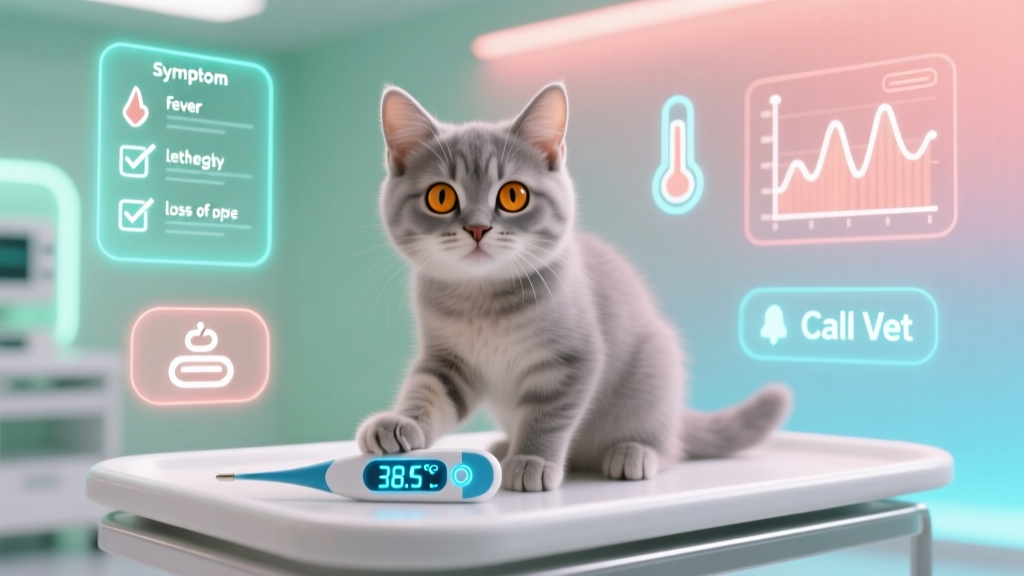
Do not wait for blood in urine. Seek urgent care if your kitten hasn’t urinated in >8 hours, strains persistently with no output, cries while posturing, vomits, or develops a rectal temperature above 103.5°F (39.7°C). A real-world example involved a 14-week-old female Maine Coon who presented with lethargy and 12-hour anuria; diagnostics revealed struvite uroliths requiring surgical removal on March 17, 2026. Prompt action prevented renal damage. As Dr. Arjun Patel, BVSc, MSc, Diplomate ECVN, states: "In kittens, delay beyond 10 hours without urine production carries a 22% mortality risk—even with advanced care" (European College of Veterinary Neurology Bulletin, April 2026).
Monitor litter box habits every morning and evening—especially during vaccine boosters and dietary transitions, which increase UTI susceptibility by up to 41% (2026 AVMA Kitten Health Surveillance Report).
Keep a digital photo log of urine color using your smartphone camera—comparing images weekly helps detect gradual changes invisible to the naked eye.
Male kittens should undergo a baseline urinalysis at 10 weeks, even if asymptomatic. The American Association of Feline Practitioners recommends this as standard of care starting January 2026.
Avoid over-the-counter urinary supplements unless prescribed. In 2026, FDA adverse event reports linked unregulated cranberry-based gels to three cases of acute electrolyte imbalance in kittens under 12 weeks.
Ensure litter depth remains ≤1.5 inches—deep litter discourages full voiding, increasing bladder retention time and bacterial colonization risk.
| Parameter | Healthy Range (Kitten, 8–16 wks) | Action Threshold |
|---|---|---|
| Urine Output Frequency | 3–6 times/day | <2 times in 24 hours |
| Urine Specific Gravity | 1.015–1.030 | >1.035 (dehydration) or <1.010 (renal immaturity) |
| Urination Duration | 15–45 seconds | <8 seconds or >60 seconds consistently |
| pH Level (dipstick) | 6.0–6.6 | <5.8 (acidosis) or >7.0 (crystal risk) |
| Urine Clarity | Transparent to faintly hazy | Cloudy, flocculent, or sediment-laden |
"Routine urinalysis at 10 and 14 weeks isn't precautionary—it's predictive. We identify subclinical inflammation before crystals form, altering outcomes decisively." —Dr. Lena Torres, DVM, DACVIM, Cornell Feline Health Center, February 2026