Hyperthyroidism in Senior Cats: Signs & Care
What Is Hyperthyroidism in Cats?
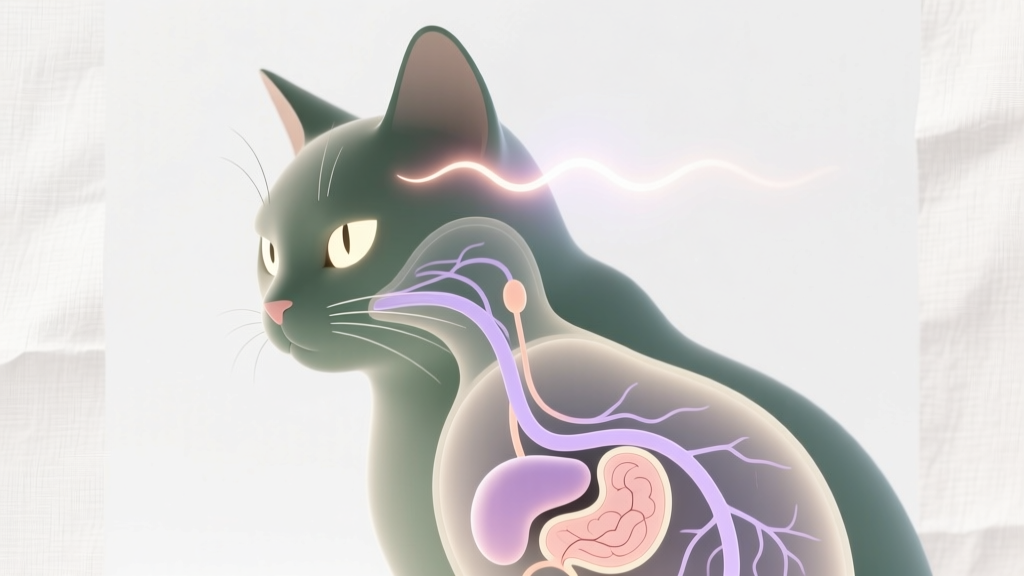
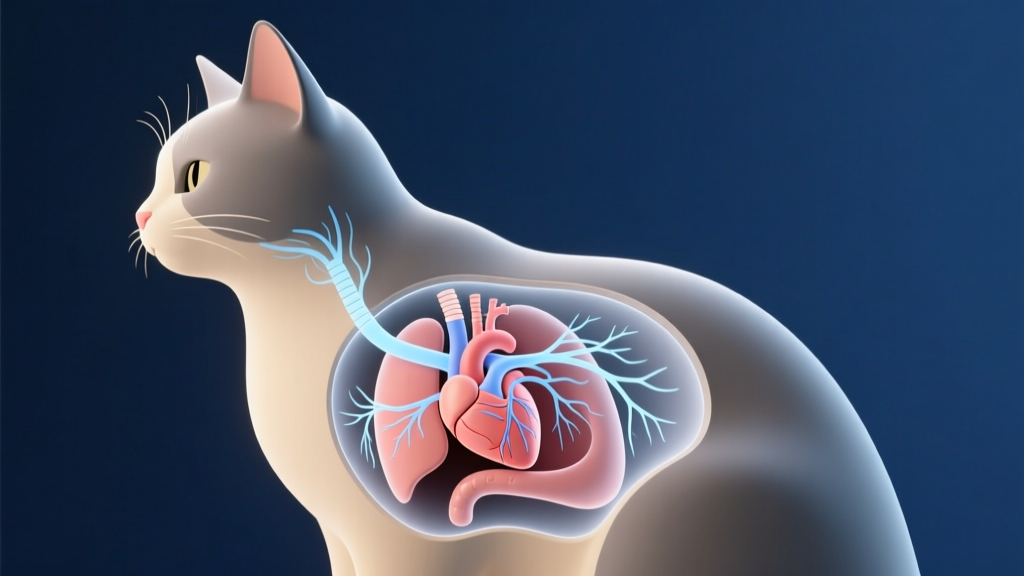
Hyperthyroidism is the most common endocrine disorder in senior cats, affecting an estimated 10% of cats over age 10 (American College of Veterinary Internal Medicine, 2022). It occurs when the thyroid gland overproduces thyroxine (T4), accelerating metabolism. Left untreated, it can lead to heart failure, kidney damage, or sudden death.
Early Warning Signs to Watch
Symptoms often develop gradually and may be mistaken for normal aging. Key indicators include unexplained weight loss despite increased appetite, restlessness, vocalization at night, vomiting, diarrhea, and poor coat condition. A 2023 Cornell Feline Health Center study found that 68% of owners didn’t recognize early weight loss as abnormal until their cat lost ≥15% of body mass.
Diagnosis: Beyond the Basic Blood Test
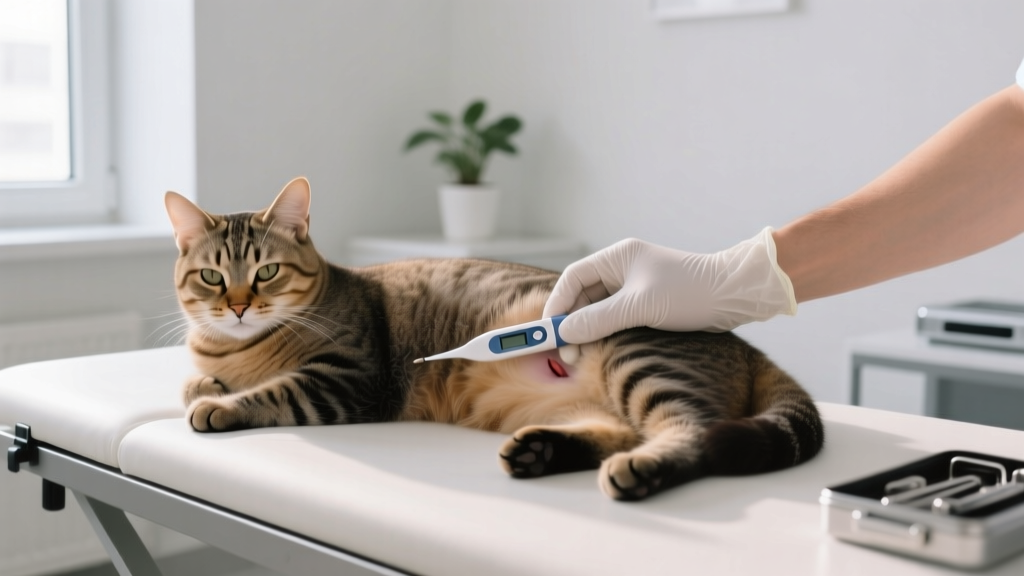
Veterinarians typically start with a total T4 test—but up to 25% of affected cats have borderline or normal results due to concurrent illness (Journal of Feline Medicine and Surgery, 2021). Confirmatory testing may include free T4 by equilibrium dialysis, thyroid scintigraphy, or blood pressure monitoring. At Banfield Pet Hospital’s 2024 Senior Wellness Program, 42% of hyperthyroid diagnoses required follow-up testing after initial screening.
Treatment Options Compared
Four evidence-based treatments exist: oral methimazole (brand name Tapazole®, FDA-approved for cats since 2019), radioactive iodine (I-131) therapy, surgical thyroidectomy, and prescription diet y/d® (Hill’s Prescription Diet). I-131 offers >95% cure rate with single treatment but requires 3–5 days of isolation at licensed facilities like VCA West Los Angeles (average cost: $1,850 in 2024). Methimazole controls symptoms in ~85% of cases but demands lifelong dosing and biweekly bloodwork for the first month.
Emergency Situations Requiring Immediate Care
Seek urgent veterinary attention if your senior cat shows rapid breathing (>40 breaths/min), collapse, seizures, or extreme lethargy—signs of thyroid storm or secondary heart failure. In one documented case, a 14-year-old domestic shorthair named Luna developed acute pulmonary edema after missing two methimazole doses; she stabilized within 4 hours with IV beta-blockers and oxygen support. Another real-world example involved a 12-year-old Siamese whose T4 spiked to 12.8 µg/dL (normal: 0.8–4.0) after accidental double-dosing—prompt fluid therapy prevented renal crisis.
| Treatment | Onset of Effect | Success Rate | Key Limitation |
|---|---|---|---|
| Methimazole (oral) | 2–4 weeks | 85% | Requires lifelong dosing; GI side effects in ~15% of cats |
| I-131 therapy | 2–6 weeks | 95%+ | Requires specialized facility; temporary radiation safety protocols |
| Thyroidectomy | Immediate | 88% | Risk of hypoparathyroidism or laryngeal nerve damage |
| Hill’s y/d® diet | 4–8 weeks | 72% (monotherapy) | Must be sole food source; not suitable for cats with CKD |
Prevention isn’t possible—hyperthyroidism has no known lifestyle cause—but routine senior wellness exams every 6 months starting at age 10 dramatically improve outcomes. A 2024 Banfield State of Pet Health report showed cats diagnosed before significant weight loss had median survival of 4.2 years post-treatment versus 2.1 years in late-diagnosed cases.
Monitor your cat daily: weigh weekly using a digital kitchen scale (±10 g accuracy), track food intake, and note behavior shifts. Keep a symptom log—this helped Mr. Whiskers’ owner spot subtle tremors before his T4 reached 8.3 µg/dL at age 11. Early intervention preserves quality of life and protects vital organs.
Always consult your veterinarian before changing medications or diets. Never discontinue methimazole abruptly—even a 48-hour gap can trigger rebound hormone surges. If cost is a barrier, ask about nonprofit assistance programs like the Feline Medical Fund (funded since 2017) or CareCredit financing options accepted at 94% of AAHA-accredited clinics.