Cat Stepnonurus: Cecal Roundworm Intestinal Infection
1. Introduction: Why this topic matters to cat owners
Most cat owners think of “worms” as a general problem—something that causes an upset tummy or shows up in the litter box. But different intestinal parasites behave differently, and some have a preference for specific parts of the gut. A cecal roundworm infection (often discussed under the broader umbrella of intestinal nematodes) is one of those conditions that can be overlooked because signs may be mild at first, intermittent, or mistaken for stress or diet changes.
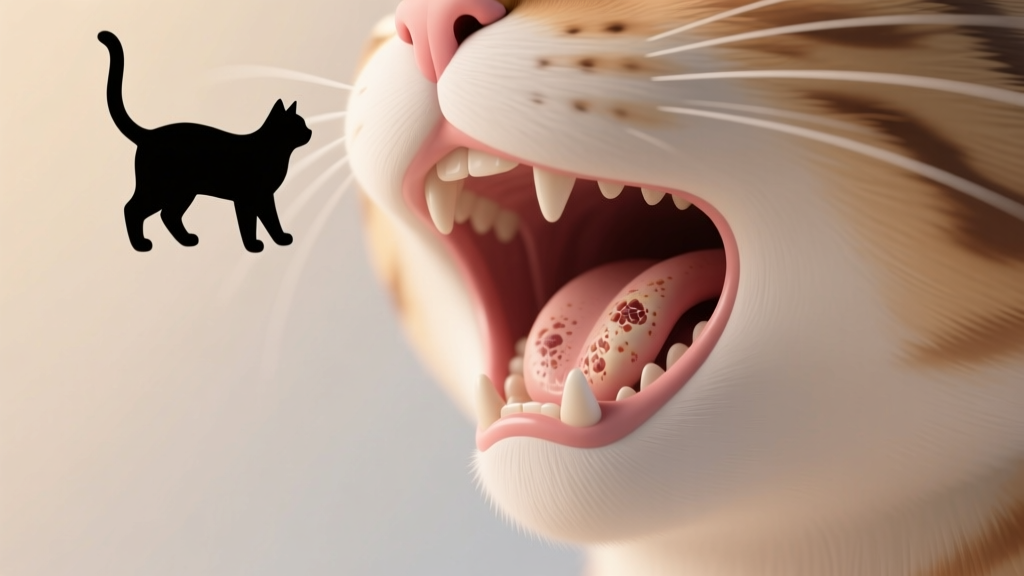
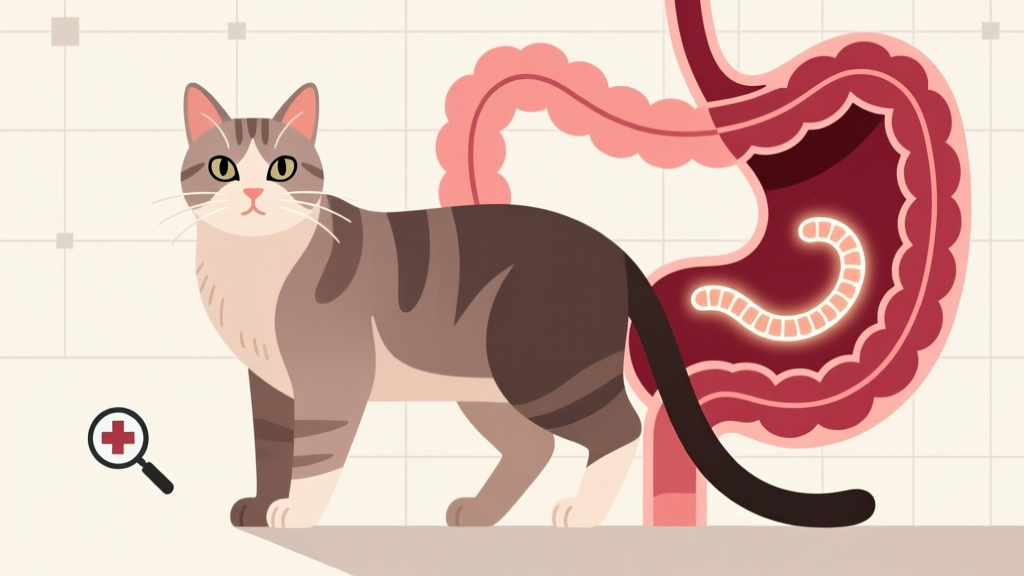
The cecum is a small pouch at the start of the large intestine. When worms that live in or near this area irritate the intestinal lining, cats can develop diarrhea, discomfort, poor body condition, and sometimes more serious complications—especially kittens, senior cats, or cats with other health issues. The good news: intestinal roundworm infections are usually very treatable with veterinary care, and prevention is straightforward once you understand the risk factors.
2. Overview: What a cecal roundworm intestinal infection is (plain-language explanation)
A “roundworm” is a type of parasitic worm (a nematode) that can live in the intestinal tract. Many cat owners have heard of Toxocara cati (a common feline roundworm), but several nematodes can affect cats’ intestines. When the term “cecal roundworm infection” is used, it refers to roundworm-type parasites that primarily irritate the lower intestinal tract, including the cecum and adjacent areas.
These worms feed on nutrients and can inflame the intestinal lining. Depending on the parasite species and the cat’s immune system, the infection may be:
- Subclinical (no obvious signs, but eggs may be shed in stool)
- Mild to moderate (soft stool, diarrhea, weight issues)
- Severe (dehydration, significant weight loss, anemia, intestinal upset)
Roundworms have life cycles that commonly involve eggs passed in feces. Cats are exposed when they ingest infective eggs from contaminated environments or prey animals. Once inside the body, larvae mature into adult worms in the intestines and begin producing eggs that are shed in the stool, continuing the cycle.
Why the cecum matters: The cecum and large intestine are involved in water absorption and stool formation. Irritation in this area often shows up as diarrhea, mucus in stool, urgency, or frequent trips to the litter box.
3. Symptoms and warning signs to watch for
Signs can vary with the number of worms, the cat’s age, and overall health. Some cats show only subtle changes.
Common signs seen at home:
- Diarrhea (sometimes intermittent)
- Soft stool or changes in stool consistency
- Mucus in stool; occasionally a small amount of fresh blood from irritation/straining
- Increased urgency or more frequent litter box visits
- Weight loss or poor weight gain (especially in kittens)
- Dull coat or reduced grooming
- Reduced appetite or picky eating
- Abdominal discomfort (hunched posture, sensitivity when picked up)
- Lethargy or lower energy
Less common but possible signs:
- Vomiting (more typical with small-intestinal parasites, but can occur)
- Visible worms in vomit or stool (not always present)
- Dehydration from ongoing diarrhea
If your cat has diarrhea for more than 24–48 hours, is acting painful, or is not eating, schedule a veterinary visit. Kittens and senior cats should be evaluated sooner, because they can become dehydrated quickly.
4. Causes and risk factors
Roundworm infections are caused by exposure to parasite eggs or larvae. Many cats pick up parasites without any obvious “dirty” exposure—eggs can persist in the environment and hitchhike indoors on shoes, objects, or other pets.
How cats become infected:
- Ingesting eggs from contaminated soil, litter, or surfaces
- Hunting and eating prey (rodents, birds, insects) that carry larvae
- Exposure in high-density environments (shelters, rescues, catteries)
- Contact with infected cats and shared litter boxes
Risk factors that make infection more likely or more severe:
- Kittens and young cats (immature immune system, higher exposure risk)
- Outdoor access or indoor/outdoor lifestyle
- Hunting behavior, even in partially supervised outdoor time
- Multi-cat households with shared litter boxes
- Inconsistent parasite prevention (no routine deworming or preventives)
- Underlying illness that weakens immunity (chronic GI disease, FeLV/FIV, etc.)
5. Diagnosis methods and what to expect at the vet
Your veterinarian will aim to confirm a parasite infection and also rule out other causes of diarrhea (dietary issues, inflammatory bowel disease, bacterial/viral infections, stress colitis, food intolerance, pancreatitis, and more).
Common diagnostic steps:
- History and exam: Questions about stool changes, diet, hunting, outdoor exposure, and any new pets. The vet will check hydration, weight, abdominal comfort, gum color, and body condition.
- Fecal testing:
- Fecal flotation to look for parasite eggs under a microscope
- Fecal antigen tests (in some clinics) to detect certain parasites even when eggs aren’t easily found
- Direct smear if diarrhea is fresh and watery, to check for motile organisms
- Additional tests if needed:
- Bloodwork to assess dehydration, inflammation, anemia, and organ function
- Giardia testing or PCR panels when diarrhea is persistent
- Abdominal imaging (X-rays or ultrasound) if there’s pain, suspected obstruction, or chronic GI signs
Tip you can do today: Bring a fresh stool sample to your appointment (ideally less than 12 hours old). Use a clean container or a sealed bag, and keep it cool.
6. Treatment options (medical, surgical, home care)
Treatment is usually straightforward, but the exact medication and plan depend on the suspected parasite, your cat’s age and weight, and whether there are complications.
Medical treatment
- Prescription dewormers (anthelmintics): Common options include pyrantel pamoate, fenbendazole, and other veterinarian-selected products. Some are single-dose, while others require multiple days of treatment.
- Repeat dosing is common: Many protocols include a second treatment 2–3 weeks later to target worms that were larvae at the first dose.
- Broad parasite control: If your cat also needs flea, tick, or heartworm prevention, your vet may recommend a monthly product that covers certain intestinal parasites as well.
- Supportive care: If diarrhea has caused dehydration or weakness, your cat may need fluids (subcutaneous or IV), probiotics, or a short course of gut-support medications.
Surgical treatment
Surgery is not typical for routine roundworm infections. It may be considered only if there is a serious complication such as:
- Intestinal obstruction (more common with heavy worm burdens, especially in kittens)
- Suspected foreign body or another condition discovered during work-up
If your veterinarian suspects obstruction, they may recommend imaging and urgent treatment.
Home care (what you can do safely)
- Give medication exactly as prescribed. Do not “split” doses or stop early because stool looks better.
- Hydration support: Encourage water intake with multiple bowls, water fountains, or adding water to wet food (if your cat tolerates it).
- Dietary gentle approach: Your vet may recommend a temporary highly digestible diet. Avoid frequent diet changes without guidance.
- Litter box hygiene: Scoop at least once daily; dispose of feces promptly to reduce reinfection risk.
- Protect other pets: Ask your vet whether other cats (or dogs) in the home should be tested or treated.
Avoid over-the-counter dewormers unless your veterinarian approves. Some products are ineffective for certain parasites, and dosing errors can be dangerous—especially for kittens.
7. Prevention strategies and early detection tips
Most parasite prevention is about interrupting the life cycle: prevent exposure when possible, reduce environmental contamination, and use routine parasite control.
Actionable prevention steps:
- Use a veterinarian-recommended monthly preventive that covers intestinal parasites when appropriate for your cat’s lifestyle.
- Routine fecal exams: Many vets recommend at least yearly fecal testing for adult cats, and more frequent testing for kittens or high-risk cats.
- Keep cats indoors when possible to reduce hunting and soil exposure.
- Prompt litter box cleaning: Scoop daily; wash boxes routinely with hot water and detergent.
- Control prey access: Seal entry points for rodents and avoid leaving food out overnight.
- Quarantine and test new pets: New cats should have a fecal test and vet exam before sharing litter boxes.
- Wash hands after litter box duty and supervise children around litter areas.
Early detection tip: Keep a simple “poop log” for a week if your cat has intermittent GI issues—note stool consistency, frequency, and any mucus/blood. Patterns help your vet narrow down causes faster.
8. Prognosis and quality of life considerations
For most cats, the prognosis is excellent when the infection is diagnosed and treated appropriately. Many cats feel better within days of starting treatment, although full intestinal healing can take longer, especially if diarrhea has been ongoing.
Quality of life is usually very good after treatment, but a few situations may require extra follow-up:
- Kittens with heavy parasite burdens may need nutritional support and repeated deworming.
- Cats with chronic GI sensitivity may benefit from diet trials or additional diagnostics if diarrhea persists after parasites are cleared.
- Reinfection risk is real in outdoor cats or multi-cat homes. Prevention is part of long-term comfort and health.
Your veterinarian may recommend a recheck fecal test to confirm the infection has cleared, particularly if symptoms were significant or recur.
9. When to seek emergency veterinary care
Most intestinal worm infections are not emergencies, but complications and dehydration can become urgent.
Go to an emergency vet or urgent clinic if you notice:
- Repeated vomiting or inability to keep water down
- Severe lethargy, collapse, or extreme weakness
- Signs of dehydration (sunken eyes, sticky gums, very low urine output)
- Straining with little or no stool, painful belly, or suspected obstruction
- Large amounts of blood in stool or black, tarry stool
- Kittens with diarrhea lasting more than 12–24 hours
- Rapid weight loss or refusal to eat for 24 hours (or 12 hours in kittens)
If you’re unsure, call your veterinary clinic—describing stool changes, appetite, energy level, and hydration can help them triage the situation.
10. FAQ: Common questions from cat owners
Can my indoor cat get cecal roundworms?
Yes. Indoor cats have lower risk, but they can still be exposed through contaminated soil tracked indoors, shared spaces with other pets, or insects. If your indoor cat has diarrhea or you’re adopting a new cat, a fecal exam is a smart step.
Will I always see worms in my cat’s poop?
No. Many infections aren’t visible to the naked eye. Eggs are microscopic, and adult worms may not be passed in stool regularly. That’s why fecal testing is so helpful, even when everything “looks normal.”
Can I deworm my cat at home without a vet visit?
It’s safer to involve your veterinarian. Different parasites require different medications and dosing. Diarrhea can also have non-parasitic causes that need different care. Your vet can choose the right dewormer, dose it correctly, and recommend follow-up testing.
How quickly will my cat feel better after treatment?
Some cats improve within a few days, especially if the main issue is irritation from worms. Others may take 1–2 weeks for stool to normalize, particularly if the gut lining is inflamed or if there are co-infections (like Giardia). If signs aren’t improving on your vet’s timeline, schedule a recheck.
Do I need to treat all pets in the house?
Sometimes. If pets share litter boxes, grooming spaces, or have similar exposure risks, your veterinarian may recommend testing or preventive treatment for other cats (and occasionally dogs). This helps reduce reinfection cycles in multi-pet households.
Is this dangerous for humans?
Some feline intestinal parasites can pose a zoonotic (human health) risk, especially if hygiene is poor. The best protection is simple: scoop litter daily, wash hands after handling litter, prevent cats from hunting when possible, and keep your cat on a veterinarian-recommended parasite prevention plan. If you have concerns for your family’s health, ask your veterinarian and your physician for guidance.
If you suspect your cat may have an intestinal parasite infection—or if diarrhea, weight loss, or appetite changes are showing up—schedule an appointment with your veterinarian. With prompt diagnosis, the right dewormer, and a solid prevention plan, most cats recover quickly and return to feeling like themselves.
For more cat health guidance, prevention tips, and easy-to-follow care articles, visit catloversbase.com.