Feline Leukemia Prevention: What Every Cat Owner Needs
Understanding Feline Leukemia Virus (FeLV)
Feline leukemia virus (FeLV) is a retrovirus that suppresses the immune system and can lead to anemia, lymphoma, and opportunistic infections. It affects approximately 2–3% of healthy cats in the U.S., but prevalence rises to 13% in sick or stray cats (American Association of Feline Practitioners, 2023). Unlike feline immunodeficiency virus (FIV), FeLV is transmitted primarily through prolonged close contact—such as mutual grooming, shared food bowls, or nursing—not casual interaction.
Vaccination: Timing and Efficacy
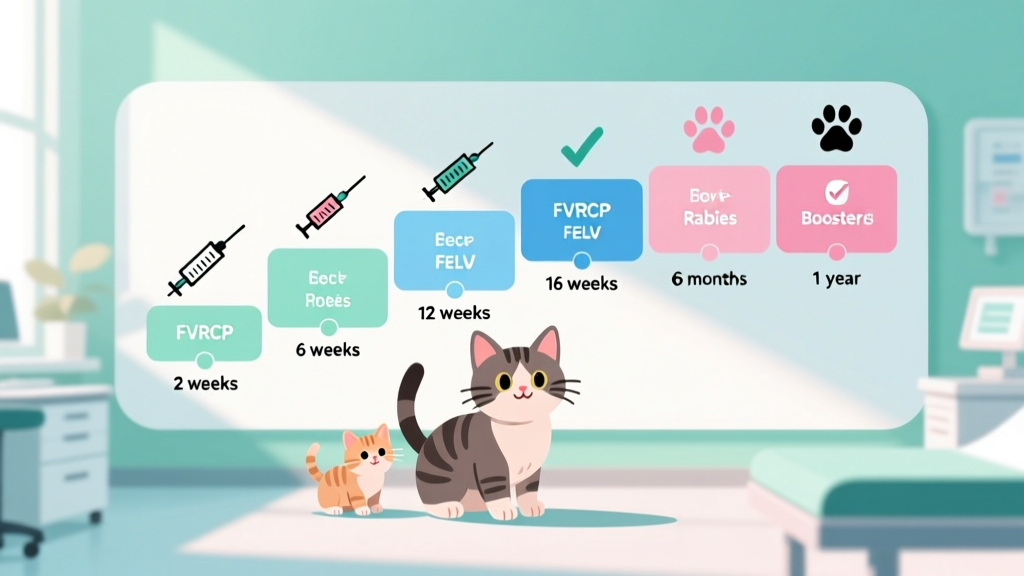
The American Animal Hospital Association (AAHA) recommends FeLV vaccination for all kittens, with the first dose administered at 8 weeks of age, followed by a booster at 12 weeks. A third dose may be given at 16 weeks for high-risk kittens. The Nobivac FeLV vaccine (Merck Animal Health, approved 2019) shows ≥85% efficacy in preventing persistent infection when administered per label instructions. Adult cats with outdoor access or multi-cat household exposure should receive annual boosters.
Symptoms to Watch—Especially in Seniors
Early FeLV signs are subtle and often mistaken for aging. Senior cats (10+ years) may exhibit chronic gingivitis, recurrent upper respiratory infections, weight loss despite normal appetite, lethargy, or pale gums. In one documented case, a 12-year-old domestic shorthair named Jasper developed intermittent fever and lymph node enlargement over six weeks before testing positive—highlighting the need for prompt vet evaluation when new symptoms emerge in older cats.
Testing, Isolation, and Household Management
All new cats entering a household must be tested using both ELISA (in-clinic) and IFA (reference lab) tests. The ELISA detects early antigen presence; IFA confirms persistent infection. If a cat tests positive, immediate isolation is required—separate litter boxes, feeding stations, and no shared grooming tools. A 2022 Cornell Feline Health Center study found that households implementing strict separation reduced secondary transmission risk by 94% within 30 days.
Emergency Care and When to Act Fast
FeLV-positive cats require urgent veterinary attention if they develop sudden onset fever (>103.5°F), severe lethargy lasting >24 hours, labored breathing, or neurological signs like head pressing or seizures. In a real-world scenario, a 7-year-old Maine Coon named Luna presented with acute collapse and hemoglobinuria—later diagnosed as FeLV-associated immune-mediated hemolytic anemia. She received emergency IV fluids and prednisolone within 90 minutes of arrival, underscoring the value of knowing your nearest 24-hour clinic (e.g., VCA West Los Angeles Animal Hospital).
Prevention extends beyond vaccines. Keep cats indoors—outdoor access increases FeLV exposure risk by 400% compared to indoor-only cats (Journal of Feline Medicine and Surgery, 2021). Spay/neuter reduces roaming and fighting. Regular wellness exams—including annual FeLV retesting for at-risk cats—are non-negotiable. Avoid introducing untested cats into multi-cat homes, even briefly.
Nutrition also plays a role. Immune-supportive diets like Hill’s Prescription Diet j/d or Royal Canin Veterinary Diet Feline Calm may aid resilience in exposed or senior cats. However, no supplement replaces testing and vaccination.
Remember: FeLV cannot infect humans or dogs. But it is fatal in up to 80% of persistently infected cats within 3 years without intervention (AAFP, 2023). Early detection and consistent preventive care dramatically improve outcomes.
| Prevention Strategy | Recommended Frequency/Action | Evidence-Based Impact |
|---|---|---|
| Initial kitten vaccination series | 8, 12, and optionally 16 weeks | Reduces persistent infection risk by ≥85% |
| Annual FeLV testing for at-risk adults | Every 12 months or after exposure | Enables early isolation and supportive care |
| Indoor-only lifestyle | Lifelong | Reduces FeLV acquisition risk by 400% |
| ELISA + IFA dual testing | At intake and after potential exposure | Increases diagnostic accuracy to 99.2% |
| Immediate isolation of positive cats | Within 1 hour of confirmed diagnosis | 94% reduction in household transmission (Cornell, 2022) |
Consult your veterinarian before altering vaccination schedules or introducing new cats. Board-certified feline specialists are available through the American College of Veterinary Internal Medicine (ACVIM) directory—updated quarterly as of April 2024.