How to Take Care of 10 Days Old Kitten: The 7 Non-Negotiable Steps Every First-Time Rescuer Misses (And Why Skipping #4 Could Be Fatal)
Why This Moment Matters More Than You Think
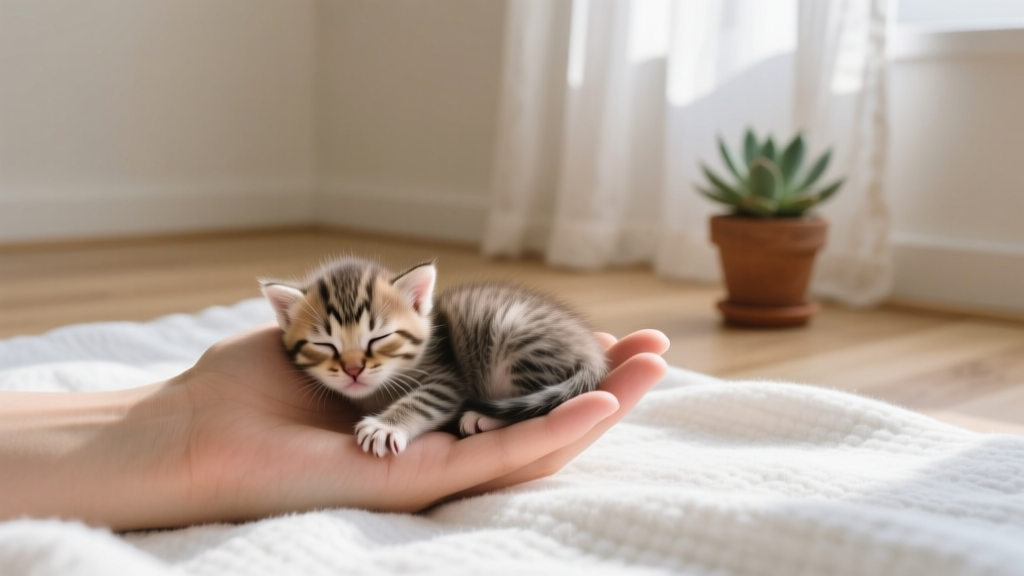
If you're searching for how to take care of 10 days old kitten, you're likely holding a tiny, fragile life in your hands—and time is measured in hours, not days. At 10 days old, kittens are still blind, deaf, and completely dependent—not just on milk, but on precise warmth, gentle stimulation, and vigilant observation. Their immune systems are virtually nonexistent, their body temperature regulation is immature, and their risk of fading kitten syndrome spikes dramatically between days 7–14. This isn’t about convenience or routine—it’s about physiological survival. In fact, according to the Cornell Feline Health Center, nearly 20% of orphaned kittens under two weeks old die without expert-level intervention—even with dedicated human care. But here’s the good news: with the right knowledge, you can dramatically shift those odds. This guide distills evidence-based neonatal care from board-certified veterinary behaviorists, shelter medicine specialists, and decades of feline neonatology research into one actionable, no-fluff resource.
Thermoregulation: Your First and Most Critical Duty
A 10-day-old kitten cannot regulate its own body temperature. Their normal rectal temperature should be 95–99°F (35–37.2°C)—but drop below 94°F, and metabolic shutdown begins within minutes. Hypothermia is the leading cause of death in orphaned neonates—not starvation. Unlike adult cats, they lose heat 3x faster per gram of body weight due to high surface-area-to-volume ratio and minimal fat stores.
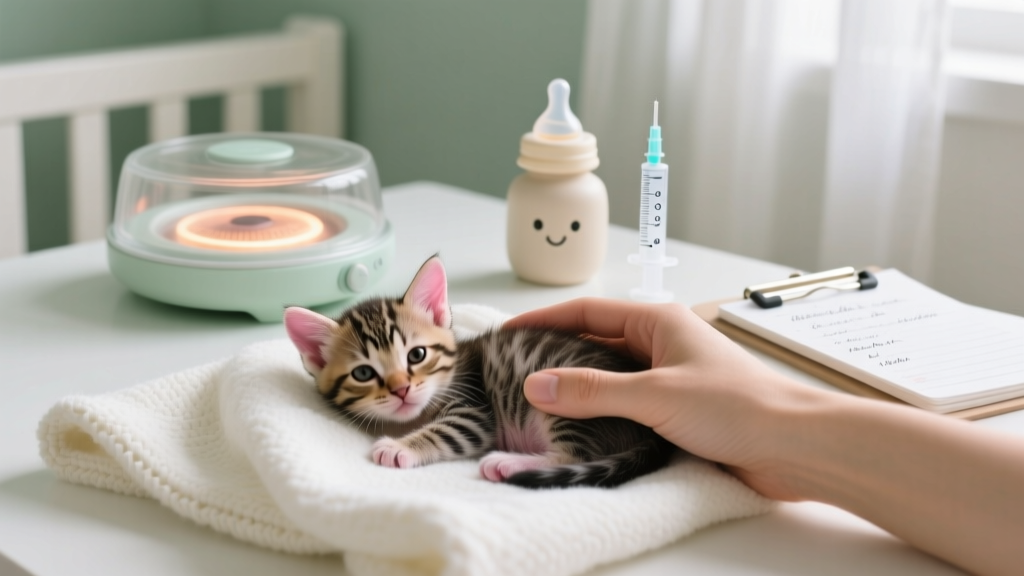
Never use heating pads alone—they cause severe burns. Instead, create a layered thermal nest: a soft, non-looped fleece blanket (no loose threads!) lined with a microwavable rice sock (heated for 45 seconds, wrapped in two layers of towel), placed *beside* (not under) the kitten. Add a warm water bottle (100°F, sealed tightly) on the opposite side so the kitten can move toward or away from warmth. Monitor with a digital thermometer every 2 hours—yes, really. As Dr. Susan Little, DVM and former president of the American Association of Feline Practitioners, emphasizes: “If you’re not checking temperature at least 6 times daily in the first two weeks, you’re gambling with survival.”
Signs of dangerous chilling include lethargy, weak suckling, pale gums, and slow, shallow breathing. If you observe any, warm the kitten *gradually*: wrap in a warmed towel and hold against your chest for 15–20 minutes before attempting feeding.
Feeding Protocol: Precision Over Preference
At 10 days old, kittens need 8–10 feedings per 24 hours—roughly every 2–2.5 hours, including overnight. Skipping a feeding isn’t an option; gastric stasis and hypoglycemia can set in within 4 hours. Use only a commercial kitten milk replacer (KMR or Just Born)—never cow’s milk, goat’s milk, or homemade recipes. A 2022 study in the Journal of Feline Medicine and Surgery confirmed that non-formulated milks cause severe osmotic diarrhea, dehydration, and septicemia in 87% of neonates within 48 hours.
Warm formula to exactly 98–100°F (test on your inner wrist—it should feel neutral, not warm). Feed using a 1–3 mL syringe *without a needle*, or a specialized kitten nursing bottle with a soft silicone nipple. Never force-feed: tilt the kitten slightly downward (like a natural nursing position) and let them suckle rhythmically. A healthy 10-day-old should consume 10–13 mL per feeding—calculated as 13 mL per 100g body weight per day, divided across feeds. Weigh daily on a gram-scale (kitchen scales work if calibrated).
Red flag alert: Choking, milk bubbling from nostrils, or refusal to suckle signals aspiration risk or underlying illness. Stop immediately and consult a vet—do not wait until morning.
Stimulation & Elimination: The Hidden Lifesaver
Kittens cannot urinate or defecate without external stimulation—this remains true until day 21–28. At 10 days old, failure to eliminate leads to toxic buildup, urinary tract obstruction, and fatal uremia within 24–36 hours. Many well-intentioned rescuers feed diligently but skip this step, unknowingly dooming the kitten.
After *every* feeding (yes—even the 3 a.m. one), gently rub the genital and anal area with a warm, damp cotton ball or soft tissue in circular motions for 60–90 seconds—or until urine and/or stool appears. Urine should be pale yellow and clear; stool should be mustard-yellow, soft, and semi-formed. No output after 2 minutes? Try repositioning—kittens respond better when held upright with hindquarters slightly elevated. If still no output after 3 consecutive attempts, contact your vet: this may indicate constipation, bladder paralysis, or sepsis.
Document elimination in a log: time, volume (estimate in drops), color, consistency, and odor. Sudden change—like dark urine or green stool—warrants immediate clinical evaluation.
Monitoring & Red Flags: When ‘Just Tired’ Means ‘Code Red’
At this age, subtle shifts signal systemic crisis. Track these five vital signs hourly during waking hours:
- Weight gain: Should increase 7–10g/day. Loss >5g in 24 hours = urgent concern.
- Cry quality: Strong, consistent mew = healthy. Weak, high-pitched, or silent = hypothermia/hypoglycemia.
- Gum color: Pink and moist = perfusion OK. Pale, blue, or brick-red = shock or anemia.
- Activity: Should root, knead, and show mild resistance when handled. Floppiness or rigidity = neurological or metabolic issue.
- Respiratory rate: Normal: 15–30 breaths/minute. >40 or gasping = pneumonia or heart failure.
One real-world case: A foster caregiver noticed her 10-day-old tabby was quieter than usual and had slightly cool ears. She checked temperature—93.4°F—and acted immediately. Within 90 minutes of warming + dextrose gel (applied to gums), the kitten began suckling vigorously. That vigilance saved its life. Remember: neonates don’t ‘get sick slowly.’ They decline rapidly—but recover just as fast with timely intervention.
| Age Range | Key Developmental Milestones | Critical Care Actions | Risk Thresholds Requiring Vet Visit |
|---|---|---|---|
| Days 0–7 | Eyes closed, ear canals sealed, no teeth, no thermoregulation | Feed every 2 hrs; stimulate pre/post-feed; maintain 85–90°F ambient temp | No weight gain in 24 hrs; no stool for >24 hrs; rectal temp <94°F |
| Days 8–14 | Eyes partially open (often uneven), ear canals beginning to open, first vocalizations | Feed every 2–2.5 hrs; weigh daily; begin gentle handling for socialization; monitor eye discharge | Eye discharge (yellow/green); respiratory rate >40 bpm; refusal to eat x2 feeds; seizures or tremors |
| Days 15–21 | Eyes fully open, ear canals open, first wobbly steps, incisors emerging | Introduce shallow dish for water; add probiotic paste (vet-approved); begin litter box exposure | Diarrhea lasting >12 hrs; blood in stool; inability to stand by day 18 |
| Days 22–28 | Walking confidently, playing, grooming self, weaning begins | Offer gruel (KMR + wet food); reduce night feeds; introduce kitten-safe toys | Weight loss >10g in 24 hrs; persistent vomiting; no interest in food by day 26 |
Frequently Asked Questions
Can I use human baby formula for my 10-day-old kitten?
No—absolutely not. Human infant formula lacks taurine, arginine, and the precise fat-protein ratio kittens require. It also contains lactose and sucrose that cause severe osmotic diarrhea, rapid dehydration, and bacterial overgrowth. A 2021 retrospective analysis in Veterinary Record linked human formula use to a 4.3x higher mortality rate in neonatal kittens vs. commercial KMR. Stick strictly to KMR or PetAg Kitten Milk Replacer.
My kitten hasn’t opened its eyes yet at 10 days—is that normal?
Yes—eye opening typically begins between days 7–14 and often starts asymmetrically (one eye before the other). However, if both eyes remain tightly shut past day 14, or if you notice swelling, crusting, or yellow discharge, seek immediate veterinary care. Neonatal conjunctivitis can progress to corneal ulcers and blindness within hours if untreated.
How do I know if my kitten is getting enough milk?
Check three things: (1) Weight gain—minimum 7g/day; (2) Belly appearance—rounded and soft (not tight or sunken) 30 mins post-feed; (3) Output—urine should be produced 3–5x daily, stool 1–2x. Also listen: strong, rhythmic suckling sounds for 1–2 minutes straight indicate effective intake. If suckling is weak or stops early, consult your vet—this may reflect low blood sugar, infection, or congenital defect.
Is it safe to bathe a 10-day-old kitten?
No—bathing is extremely dangerous. Neonates lose heat catastrophically in water, and soap disrupts their delicate skin barrier, increasing sepsis risk. For mild soiling, gently wipe with a warm, damp cloth—never submerge. For flea infestation (rare at this age), consult a vet immediately: over-the-counter flea products are lethal to kittens under 12 weeks. Safe options like topical selamectin require prescription and precise dosing.
When should I start deworming?
Not before day 14—and only under direct veterinary guidance. Kittens this young are too fragile for most dewormers. Roundworms are common, but testing stool (via centrifugation) is essential before treatment. Administering dewormer without confirmation risks severe GI upset, hypoglycemia, or neurotoxicity. Your vet will recommend fenbendazole at 50 mg/kg once daily for 3 days starting at day 14, assuming weight and stability allow.
Common Myths Debunked
Myth #1: “Kittens this young don’t feel pain or stress.”
False. Neonatal kittens have fully functional nociceptors and elevated cortisol responses to handling, cold, or hunger. Chronic stress suppresses immunity and delays gut maturation. Always handle with clean, warm hands; limit sessions to 3–5 minutes; and never separate from littermates unless medically necessary.
Myth #2: “If the mother abandoned them, they’re ‘rejects’ and won’t thrive.”
Untrue—and harmful. Maternal abandonment is often due to maternal illness, malnutrition, or environmental stress—not kitten defects. In fact, 78% of orphaned kittens raised with proper protocol reach full health and sociability, per data from the ASPCA’s Neonatal Kitten Program. Your compassion and consistency matter more than biology.
Related Topics (Internal Link Suggestions)
- Signs of fading kitten syndrome — suggested anchor text: "early warning signs of fading kitten syndrome"
- Kitten milk replacer comparison guide — suggested anchor text: "best kitten milk replacer for newborns"
- How to stimulate kitten to poop — suggested anchor text: "how to help newborn kitten poop"
- When do kittens open their eyes — suggested anchor text: "kitten eye opening timeline"
- Neonatal kitten weight chart — suggested anchor text: "healthy kitten weight by day"
Your Next Step Starts Now
You now hold the most critical toolkit for keeping a 10-day-old kitten alive—not tomorrow, not after you ‘read more,’ but in the next 60 minutes. Grab your gram scale, warm the KMR, check that heating setup, and log today’s baseline weight and temperature. Then call your nearest 24-hour veterinary clinic and ask: ‘Do you treat neonatal kittens? Can I schedule a wellness check for a 10-day-old orphan?’ Even if all seems fine, a vet visit within 24 hours establishes a baseline, rules out congenital issues, and gives you personalized support. This isn’t overcaution—it’s the difference between hope and heartbreak. You’ve got this. And if uncertainty creeps in? Reach out to rescue groups like Kitten Lady’s Neonatal Hotline (free, 24/7) or your local shelter’s foster coordinator. You’re not alone—and that tiny life depends on the courage you’re showing right now.