Cat Skin Conditions: Signs, Causes & Vet Care
Common Cat Skin Conditions & Their Triggers
Cats develop skin issues from allergies (flea saliva, pollen, or food), infections (bacterial, fungal like Microsporum canis), parasites (mites, lice), hormonal imbalances, or stress-induced overgrooming. A 2023 study in the Journal of Feline Medicine and Surgery found that 68% of dermatology cases in cats were linked to allergic dermatitis—most commonly flea allergy dermatitis (FAD).
Symptoms That Demand Veterinary Attention
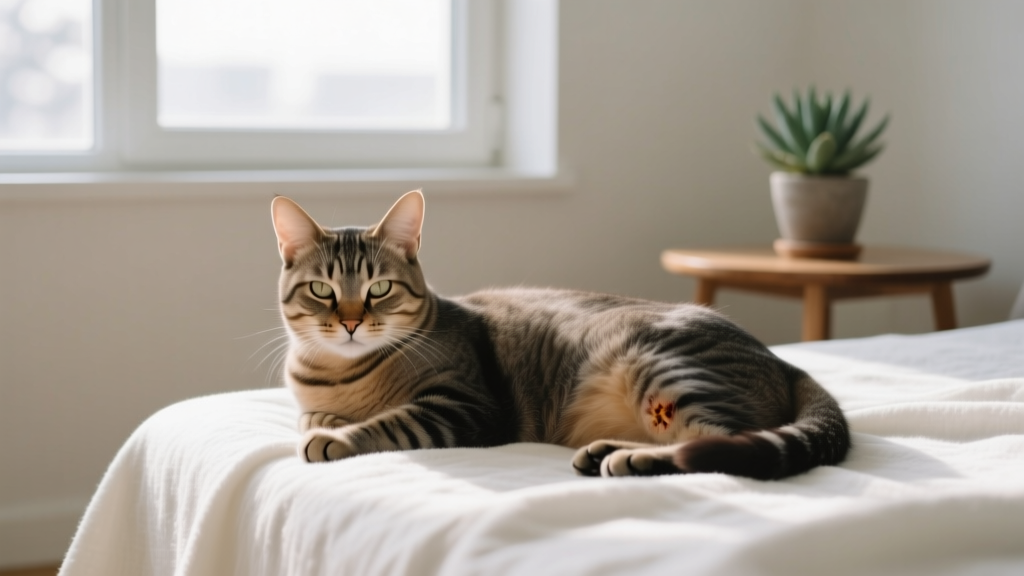
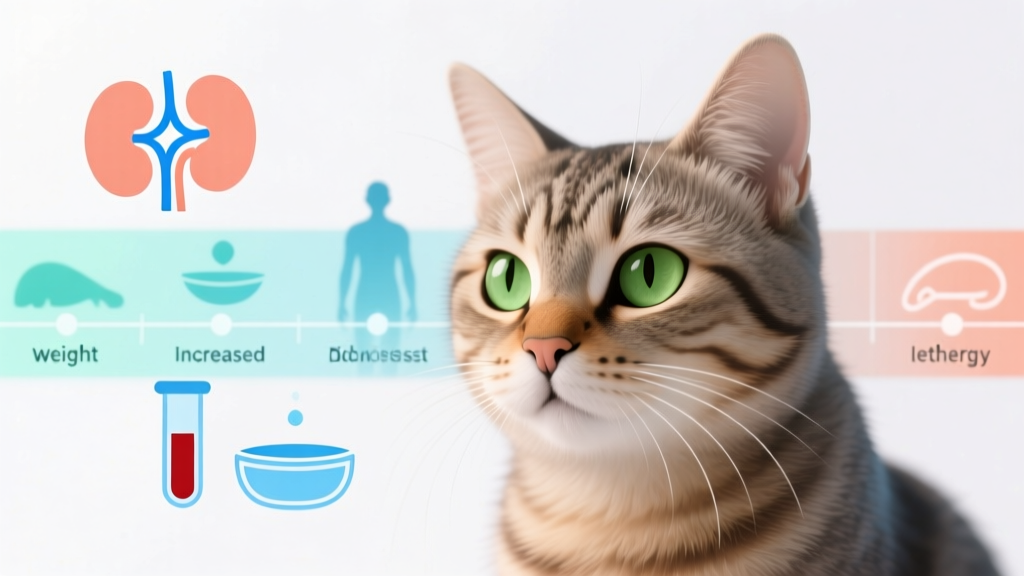
Watch for persistent scratching, hair loss in patches (especially around ears, neck, or base of tail), scabs or crusts, greasy or foul-smelling skin, excessive dandruff, or sudden bald spots. Redness lasting >48 hours, open sores, or swelling warrant same-day evaluation. Senior cats (11+ years) are more prone to underlying conditions like hyperthyroidism or renal disease that manifest as pruritus—so even mild itching in older cats needs bloodwork.
Flea Allergy Dermatitis: The #1 Culprit
FAD causes intense itchiness from just one flea bite. Cats may develop miliary dermatitis—small, crusted bumps along the back and tail head. Prevention is key: use only veterinarian-approved topical or oral flea control. Bravecto® Chewables for cats (FDA-approved April 2022) provide 12 weeks of protection against fleas and ticks. Never use dog flea products—they contain permethrin, which is fatal to cats.
When to Seek Emergency Care
Go to an emergency clinic if your cat shows facial swelling, difficulty breathing (indicating anaphylaxis), widespread blistering or ulceration, or lethargy with fever (>103.5°F). In 2021, ASPCA Animal Poison Control reported a 22% year-over-year rise in cases of topical pesticide toxicity in cats due to improper product use.
Treatment & Prevention Strategies
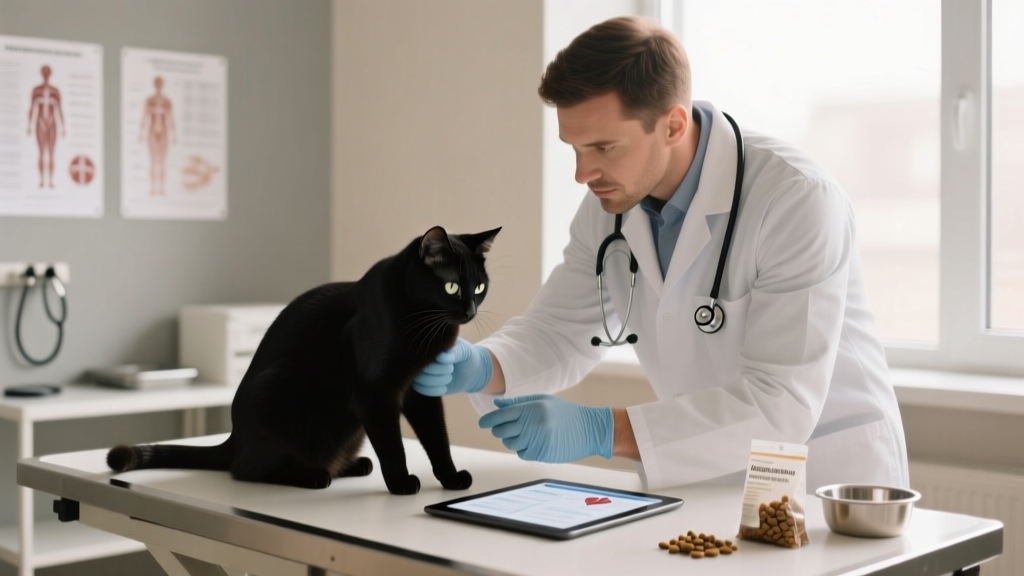
Veterinarians diagnose skin conditions via skin scrapings, fungal cultures, allergy testing, or biopsies. Treatment may include antifungals (e.g., terbinafine), antibiotics (clindamycin or cephalexin), corticosteroids (prednisolone), or cyclosporine for chronic cases. For seniors, low-stress grooming and omega-3 supplements (like Welactin® Feline Liquid, clinically shown to reduce inflammation in a 2020 Cornell study) support skin barrier health. Avoid oatmeal shampoos unless prescribed—cats’ pH differs from dogs’, and many human-grade products disrupt their acid mantle.
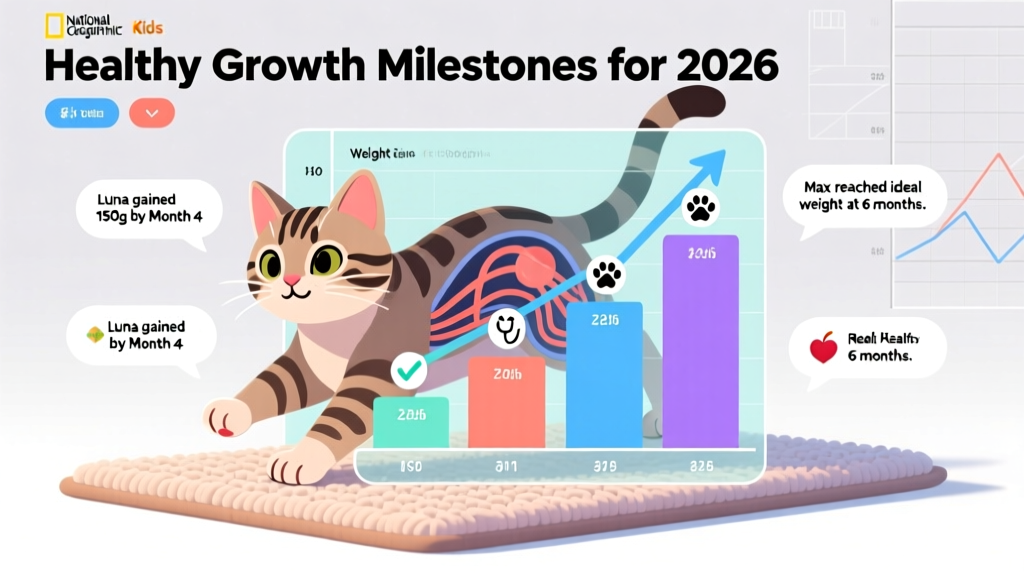
Real-world example: Luna, a 14-year-old domestic shorthair, developed symmetrical hair loss on her flanks. Her vet diagnosed adrenal hyperplasia after blood tests revealed elevated cortisol; treatment with trilostane restored her coat within 10 weeks.
Real-world example: Milo, a 3-year-old rescue cat, scratched relentlessly after moving homes. Skin cytology confirmed secondary bacterial infection from stress-induced overgrooming. Environmental enrichment + clindamycin cleared lesions in 7 days.
| Condition | Key Sign | Typical Onset Age | First-Line Diagnostic Tool | Common Treatment |
|---|---|---|---|---|
| Flea Allergy Dermatitis | Miliary crusts near tail head | All ages (peak: 1–6 yrs) | Flea comb + visual exam | Flea control + short-term prednisolone |
| Ringworm (M. canis) | Circular alopecia + scaling | Kittens & immunocompromised | Wood’s lamp + fungal culture | Topical miconazole + environmental decontamination |
| Food Allergy | Itchy ears + chin acne | Often >2 years | 8-week elimination diet (e.g., Royal Canin Hypoallergenic) | Dietary trial + probiotics (FortiFlora®) |
"Skin disease in cats is rarely superficial—it’s often the visible sign of systemic imbalance." — Dr. Susan Little, DVM, Feline Practice, March 2024