Feline Bartonella: Cat Scratch Disease Bacteria Carrier
1. Introduction: Why Bartonella Matters to Cat Owners
Most cat owners have heard of “cat scratch disease,” usually in the context of a person getting sick after a scratch or bite. What’s less commonly understood is that cats can carry the bacteria involved—most often Bartonella henselae—without looking ill at all. For many households, the bigger concern isn’t panic or blame; it’s getting clear, practical information so you can protect your cat’s health and reduce risk for the humans in the home.
Bartonella is closely linked with fleas, so it overlaps with everyday cat care topics: parasite control, outdoor exposure, multi-cat homes, and kitten health. With the right prevention and veterinary guidance, most families manage this risk very successfully.
2. Overview: What Feline Bartonella Is (Plain-Language Explanation)
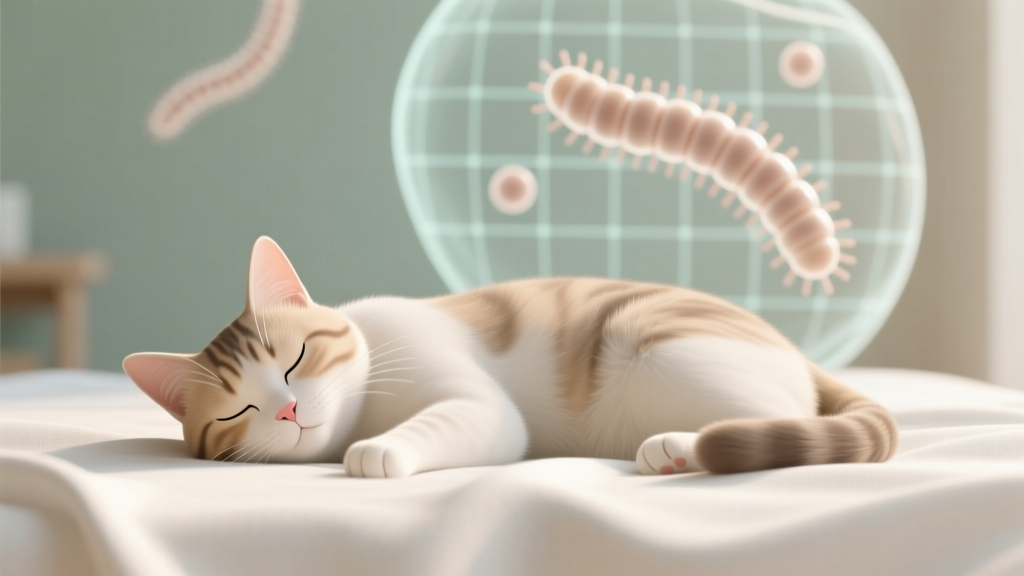
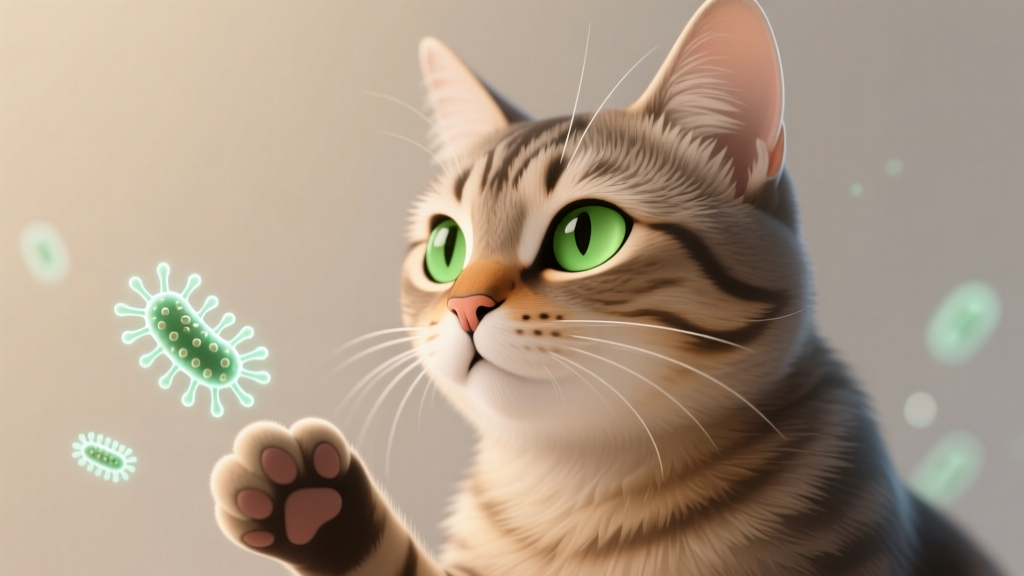
Bartonella are bacteria that can infect red blood cells and cells lining blood vessels. Cats are considered a primary reservoir (carrier species) for Bartonella henselae, which can be transmitted among cats mainly through flea activity.
Here’s the key concept for cat owners:
- Many cats carry Bartonella without symptoms. A cat can appear completely healthy and still test positive.
- Cats usually get Bartonella from fleas. Fleas spread the bacteria between cats and can maintain infection in a household if not controlled.
- Humans don’t usually “catch it” just from being near a cat. In people, illness most often follows a scratch or bite, especially if flea dirt (flea feces) contaminates broken skin. Immunocompromised individuals may be at higher risk for more serious disease.
In cats, Bartonella infection can be complicated. Some cats never become ill. Others may develop vague, intermittent signs (such as fever or lethargy). Rarely, Bartonella has been associated with more specific conditions, but cause-and-effect can be difficult to prove because many cats have other issues at the same time.
3. Symptoms and Warning Signs to Watch For
Because many cats are asymptomatic carriers, there isn’t a single “classic” symptom list that fits every case. When cats do show signs, they can be subtle and come and go. Contact your veterinarian if you notice any of the following, especially if your cat has a history of fleas or outdoor exposure.
Possible signs in cats
- Lethargy or decreased activity
- Fever (often noticed as warm ears, seeking cool surfaces, decreased appetite—your vet confirms with a thermometer)
- Reduced appetite or weight loss
- Enlarged lymph nodes (small “lumps” under the jaw, in front of shoulders, behind knees)
- Gum inflammation or mouth discomfort (some cats show drooling or reluctance to eat crunchy food)
- Intermittent lameness or stiffness
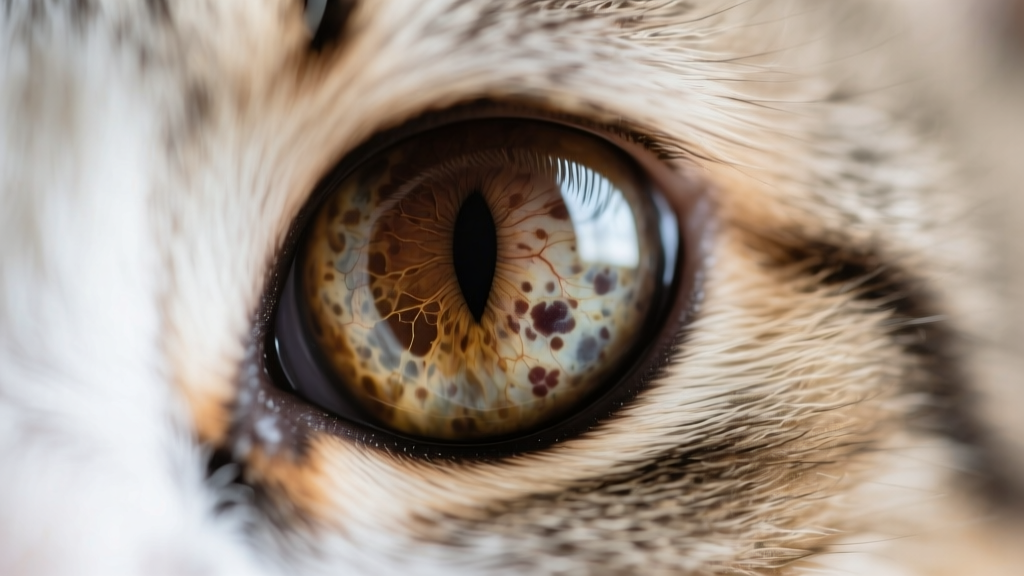
- Eye inflammation (squinting, redness, discharge)
Signs that are not specific to Bartonella (but still deserve a vet visit)
- Vomiting or diarrhea that lasts more than 24 hours
- Coughing, labored breathing, or persistent sneezing
- Hiding more than usual, behavior changes, or sudden irritability
If you’re concerned about human risk (for example, a household member is immunocompromised), it’s reasonable to talk with both your veterinarian and your physician about the best prevention plan.
4. Causes and Risk Factors
Bartonella circulates in cat populations worldwide. The biggest driver is flea exposure. Understanding risk factors helps you focus your prevention efforts.
How cats become carriers
- Flea transmission: Cats get infected when flea dirt (feces) containing Bartonella contaminates scratches in the skin. Fleas also move between cats, spreading infection.
- Cat-to-cat interactions: Outdoor cats may be exposed through fighting (scratches/bites) and shared flea populations.
Risk factors for Bartonella exposure
- Fleas present in the home or on pets (even occasionally)
- Outdoor access or contact with stray/feral cats
- Multi-cat households, shelters, rescues, foster situations
- Kittens and young cats (more likely to have bacteremia—bacteria circulating in the blood—though many remain healthy)
- Warm, humid climates where fleas thrive year-round
Even strictly indoor cats can be exposed if fleas hitchhike inside on people, dogs, or other animals. That’s why consistent flea prevention matters even when you rarely see fleas.
5. Diagnosis: Methods and What to Expect at the Vet
Diagnosing Bartonella in cats can be tricky. Testing is not always straightforward, and a positive result doesn’t always mean Bartonella is the cause of your cat’s current symptoms. Your veterinarian’s job is to evaluate the whole picture—history, clinical signs, flea exposure, and other possible causes.
Common diagnostic steps
- Full history and physical exam: Flea exposure, outdoor time, recent illness, dental disease, eye issues, or lameness.
- Basic lab work:
- CBC (complete blood count) to look for anemia or inflammation patterns
- Chemistry panel to assess organ function and hydration
- Urinalysis as a general health screen
- Bartonella testing:
- Antibody (serology) tests show exposure, not necessarily active infection
- PCR tests detect bacterial DNA, suggesting current infection (but intermittent bacteremia can cause false negatives)
- Culture is less commonly used because Bartonella is slow-growing and requires special methods
What your vet may discuss with you
- Whether testing will change the treatment plan (especially if symptoms are mild or non-specific)
- Other diseases that can look similar (viral infections, dental disease, arthritis, parasites, inflammatory conditions)
- The importance of flea control regardless of test results
Practical tip: If you’re bringing a cat with possible fever/lethargy, bring a short written timeline—when signs started, appetite changes, flea prevention used, and any recent new pets or boarding. It helps your vet move faster and be more precise.
6. Treatment Options (Medical, Surgical, Home Care)
Treatment decisions depend on whether your cat is sick and how strongly Bartonella is suspected as the cause. Many healthy carriers are not treated with antibiotics because eliminating Bartonella completely can be difficult, and unnecessary antibiotic use has downsides (side effects and antibiotic resistance).
Medical treatment
- Antibiotics: If your veterinarian suspects Bartonella is contributing to illness, they may prescribe antibiotics. Treatment courses can be several weeks. The exact medication and duration should be determined by your vet based on your cat’s health, age, and other medications.
- Pain control/anti-inflammatory support: If there’s discomfort (for example, eye inflammation or lameness), your vet may prescribe targeted therapy. Never give human pain meds to cats unless a veterinarian specifically instructs you—many are toxic.
- Treatment of concurrent issues: Dental disease, fleas, intestinal parasites, or viral infections may be addressed alongside Bartonella concerns.
Surgical treatment
Surgery is not a typical “Bartonella treatment.” However, if your cat has another condition that needs a procedure (such as dental extractions for severe oral disease), your vet may recommend addressing it because overall health and inflammation can affect recovery and quality of life.
Home care and supportive care
- Strict flea control for all pets in the home (cats and dogs), as prescribed by your veterinarian
- Finish all medications exactly as directed; don’t stop early if your cat seems better
- Encourage eating and hydration: Warmed wet food, smaller frequent meals, plenty of fresh water
- Reduce stress: Quiet recovery space, predictable routine, and easy litter box access
- Monitor: Track appetite, energy, litter box habits, and any new symptoms
Practical tip: If you’re treating fleas, treat the environment too (vacuum, wash bedding, and follow your vet’s recommendations). Flea control fails most often when only one pet is treated or treatment is inconsistent.
7. Prevention Strategies and Early Detection Tips
Prevention focuses on breaking the flea-Bartonella cycle and reducing opportunities for scratches/bites.
Most effective prevention steps
- Year-round veterinarian-approved flea prevention for every cat (and dog) in the household
- Keep cats indoors or supervise outdoor time to reduce exposure to fleas and cat fights
- Regular grooming and flea checks: Use a flea comb; look for flea dirt (black specks that turn reddish-brown when wet on a paper towel)
- Promptly address skin itching or scabs—often early clues that fleas are present
- Trim nails and provide scratch posts to reduce accidental skin injuries during play
Reduce human risk in a calm, practical way
- Wash hands after play and before handling food
- Avoid rough play that encourages biting or scratching
- Clean any scratches/bites promptly with soap and water
- If someone in the home is immunocompromised, discuss tailored precautions with your veterinarian and physician
Early detection tip: If your cat has recurrent flea issues or you’re fostering/rescuing cats, schedule a wellness visit and ask your vet about a parasite prevention plan that matches your household’s risk.
8. Prognosis and Quality of Life Considerations
For most cats, the outlook is reassuring:
- Many cats remain healthy carriers and live normal lifespans.
- If illness occurs, many cats improve with appropriate veterinary care and consistent flea control.
Quality of life often improves most when the basics are addressed well—flea prevention, dental care, nutrition, pain management (when needed), and reducing stress. If your cat has ongoing or recurring symptoms, your veterinarian may broaden the workup to look for other conditions that can mimic Bartonella-related illness.
9. When to Seek Emergency Veterinary Care
Bartonella itself rarely causes a sudden emergency in cats, but any cat can deteriorate quickly when unwell. Seek urgent or emergency veterinary help if you notice:
- Difficulty breathing, open-mouth breathing, or blue/gray gums
- Collapse, severe weakness, or unresponsiveness
- Not eating for 24 hours (especially in kittens, seniors, or cats with chronic disease)
- Repeated vomiting or signs of dehydration (sunken eyes, sticky gums)
- Severe pain, sudden inability to walk, or extreme lethargy
- High fever suspected with profound lethargy (your vet can confirm)
If your cat has bitten someone badly (deep puncture wounds) or you’re concerned about a human family member’s health after a scratch/bite, contact a medical professional promptly. For your cat, consult your veterinarian for guidance on behavior, pain, and preventive care.
10. FAQ: Common Questions Cat Owners Ask
Can my cat have Bartonella and still seem completely healthy?
Yes. Many cats carry Bartonella without any outward signs. That’s one reason consistent flea control is emphasized—healthy-looking cats can still be part of the flea-Bartonella cycle.
Should all cats be tested for Bartonella?
Not always. Testing is usually most helpful when a cat is sick and your veterinarian is trying to determine whether Bartonella could be contributing. A positive test can mean exposure rather than the cause of symptoms, so your vet will decide whether results will change treatment.
How do I protect my family from cat scratch disease?
The most effective steps are: prevent fleas, avoid rough play that leads to scratches/bites, wash scratches promptly, and keep your cat’s nails trimmed. If someone in the household is immunocompromised, talk with your veterinarian and physician about additional precautions.
If my cat tests positive, does that mean I need to rehome my cat?
No. In most situations, rehoming is not necessary. With good flea prevention, sensible handling, and veterinary guidance, families typically manage risk well while keeping their cats in the home.
Will antibiotics cure Bartonella in cats permanently?
Antibiotics may reduce bacterial levels and help improve clinical signs when Bartonella is suspected to be causing illness. However, complete clearance can be challenging, and some cats may remain carriers. Your veterinarian will weigh benefits and risks before prescribing antibiotics.
What’s the single most practical thing I can do today?
Start or confirm a veterinarian-recommended, year-round flea prevention plan for every pet in your household, and set reminders so doses are never missed.
If you suspect your cat may be ill or you’re worried about Bartonella risk in your household, schedule an appointment with your veterinarian for personalized advice and testing recommendations. For more trustworthy cat wellness and disease-prevention guidance, visit catloversbase.com for additional cat health resources.