Cat Kidney Disease: 10 Early Signs to Watch
Why Early Detection Matters
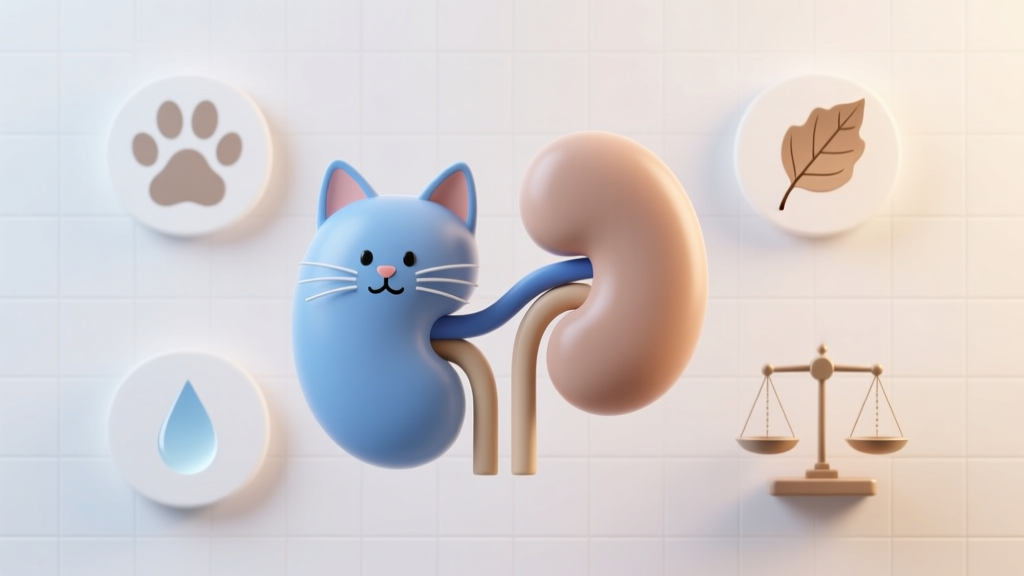
Chronic kidney disease (CKD) affects up to 30% of cats over age 10 and is the leading cause of death in senior cats. The kidneys filter waste from the blood, and when they begin to fail, toxins accumulate slowly. By the time obvious symptoms appear, up to 75% of kidney function may already be lost. Catching CKD early through subtle signs can add years to your cat life.
10 Early Warning Signs
1. Increased Thirst
If your cat is drinking noticeably more water than usual, the kidneys may be losing their ability to concentrate urine. This is often the very first sign owners notice.
2. More Frequent Urination
Larger, more frequent clumps in the litter box indicate the kidneys are producing dilute urine. You may need to scoop more often than before.
3. Weight Loss Despite Normal Appetite
Cats with early CKD often eat normally but lose weight as their bodies fail to absorb nutrients efficiently.
4. Decreased Appetite
As toxins build up, cats may become picky eaters or skip meals entirely. This often signals progression beyond the earliest stage.
5. Vomiting
Occasional vomiting is common in cats, but frequent episodes—especially on an empty stomach—can indicate uremic toxin buildup.
6. Bad Breath
A ammonia-like or metallic smell on your cat breath suggests uremia, a condition where waste products accumulate in the blood.
7. Lethargy and Weakness
Reduced energy levels and increased sleeping may be subtle. Compare your cat current activity to their baseline from six months ago.
8. Poor Coat Condition
A dull, unkempt coat that lacks its usual shine can signal systemic illness including kidney dysfunction.
9. Mouth Ulcers
Uremic toxins can cause painful ulcers on the gums and tongue, making eating uncomfortable.
10. High Blood Pressure
Hypertension is both a cause and consequence of CKD. Your vet can measure this during routine exams.
What to Do
If you notice any of these signs, request blood work (BUN, creatinine, SDMA) and a urinalysis from your vet. Early-stage CKD managed with diet changes and hydration can remain stable for years.