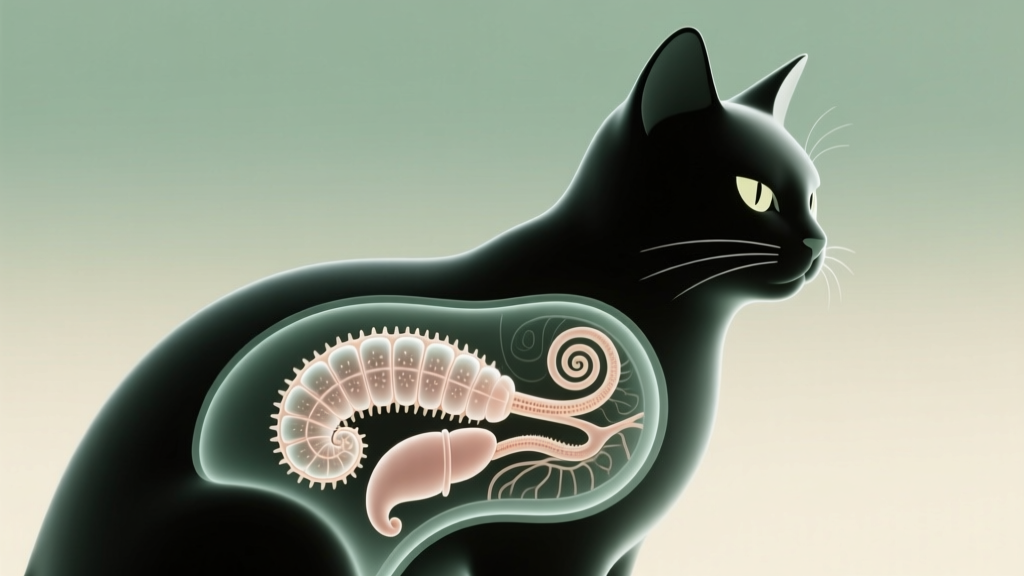
Cat Deworming Schedule Guide
Why Deworming Matters
Intestinal parasites are common in cats, even indoor-only cats. Worms can cause malnutrition, anemia, and in severe cases, intestinal blockage. Some parasites (like roundworms and hookworms) can also be transmitted to humans.
Types of Cat Worms
- Roundworms — most common; transmitted through mother's milk or infected prey
- Tapeworms — segments look like rice grains near the tail; often from fleas
- Hookworms — cause anemia through blood loss; less common in cats than dogs
- Whipworms — rare in cats but possible
- Heartworms — transmitted by mosquitoes; prevention critical as treatment is risky
Symptoms of Worm Infection
- Visible worms or segments in stool or around anus
- Diarrhea or soft stools
- Weight loss despite normal appetite
- Pot-bellied appearance (especially in kittens)
- Dull, dry coat
- Vomiting (sometimes with visible worms)
- Scooting or excessive licking of anal area
Deworming Schedule
Kittens
- Every 2 weeks from age 2-8 weeks
- Monthly from 8 weeks to 6 months
- Then follow adult schedule
Adult Indoor Cats
- Every 3-6 months for routine prevention
- Annual fecal exam at veterinary checkup
Outdoor or Hunting Cats
- Monthly deworming recommended
- Quarterly fecal exams
- Flea prevention is essential (fleas carry tapeworm larvae)
Treatment Options
- Broad-spectrum tablets — Drontal, Milbemax (covers roundworms, tapeworms, hookworms)
- Topical treatments — Profender (applied to skin on back of neck)
- Prescription medications — required for some parasites like heartworm
Prevention Strategies
- Regular flea prevention (fleas are tapeworm intermediate hosts)
- Prevent hunting of rodents and birds
- Clean litter box daily (worm eggs take 2-3 weeks to become infective)
- Wash hands after handling cats and cleaning litter boxes
- Regular veterinary fecal exams