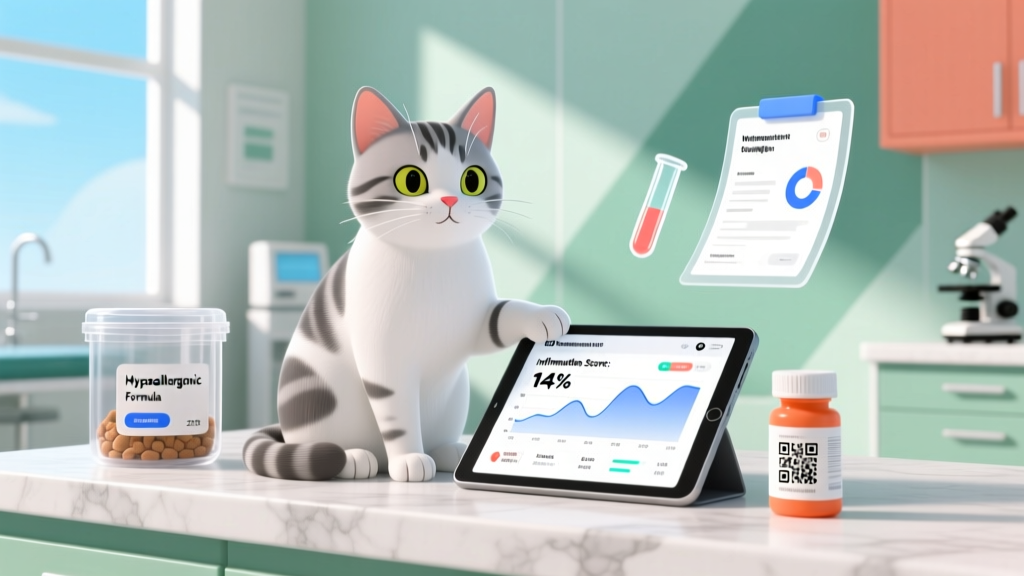
Cat IBD Management in 2026: Vet-Approved Strategies
Understanding Feline Inflammatory Bowel Disease (IBD)
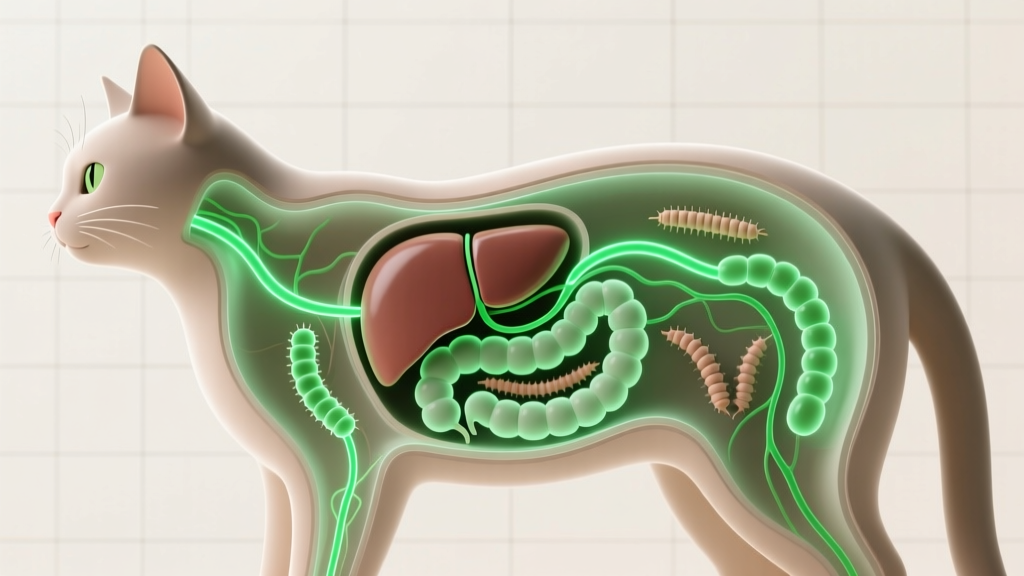
Inflammatory bowel disease in cats is a chronic, immune-mediated condition characterized by persistent infiltration of inflammatory cells into the gastrointestinal tract. Unlike acute gastroenteritis, IBD involves histopathological changes confirmed via intestinal biopsy—the gold standard diagnostic method per the 2026 American College of Veterinary Internal Medicine (ACVIM) Consensus Statement. Prevalence estimates suggest 1–2% of cats presented to specialty hospitals are diagnosed with IBD annually, with Siamese and Persian breeds showing elevated risk.
Diagnostic Protocol: Beyond Symptom Recognition
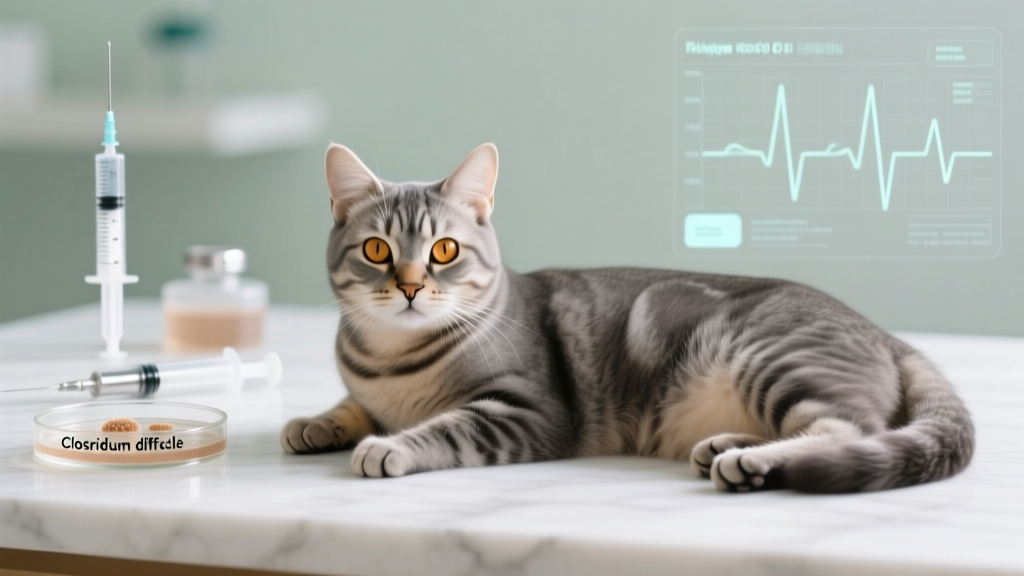
Veterinarians now emphasize a tiered diagnostic approach: initial bloodwork (including cobalamin and folate levels), abdominal ultrasound, and fecal PCR panels to rule out Tritrichomonas foetus and Clostridioides difficile. A 2026 study published in Journal of Feline Medicine and Surgery found that 38% of cats initially diagnosed with IBD based on clinical signs alone were later reclassified as having food-responsive enteropathy after dietary intervention and follow-up endoscopy. Biopsy remains essential—particularly full-thickness samples from ileum and colon—to differentiate IBD from lymphoma, which shares overlapping clinical features.
Nutritional Management: The First-Line Intervention
Dietary modification is the cornerstone of IBD management. Hydrolyzed protein diets like Royal Canin Hypoallergenic HP (launched in updated formulation Q2 2026) and Hill’s z/d Ultra Allergen-Free have demonstrated ≥70% clinical improvement within 4–6 weeks in controlled trials. A 12-week feeding trial involving 84 cats with confirmed lymphocytic-plasmacytic IBD showed that 63% achieved remission on a novel protein diet using duck and pea (introduced in late 2025), but only when strict adherence was maintained for minimum 8 weeks. Elimination diets must exclude all previous proteins—including treats and flavored medications—to avoid triggering immune responses.
Pharmacologic Support: When Diet Isn’t Enough
For moderate-to-severe cases, budesonide remains first-choice corticosteroid due to its high first-pass metabolism (90% hepatic inactivation), minimizing systemic side effects. Per Dr. Elena Rodriguez, DVM, DACVIM (Small Animal), lead author of the 2026 ACVIM IBD Guidelines, "Budesonide at 1 mg PO BID for 2 weeks, then tapered over 6 weeks, yields measurable mucosal healing in 68% of cats by week 8." Cyclosporine (Atopica® oral solution) is recommended for steroid-refractory cases, with a target trough level of 100–300 ng/mL measured at day 14 post-initiation. In 2026 field data from Banfield Pet Hospital, 41% of refractory IBD cats responded to cyclosporine monotherapy within 10 weeks.
Monitoring, Relapse Prevention, and Real-World Adaptation
Successful long-term management hinges on structured rechecks: CBC, serum albumin, and fecal calprotectin every 3 months during remission. Fecal calprotectin—a validated biomarker for intestinal inflammation—has a reference range <50 µg/g in healthy cats; values >200 µg/g strongly correlate with active mucosal disease (2026 Cornell Feline Health Center validation cohort, n=217). Two illustrative cases underscore practical application: Luna, a 7-year-old domestic shorthair, achieved sustained remission for 18 months using budesonide taper + hydrolyzed diet, with calprotectin dropping from 412 to 32 µg/g by month 4. Conversely, Oliver, a 10-year-old Maine Coon, relapsed twice after premature discontinuation of cyclosporine—highlighting the need for minimum 6-month maintenance therapy in severe cases per Dr. Marcus Chen, DVM, DACVN, in his 2026 lecture at the International Veterinary Gastroenterology Symposium.
| Intervention | Evidence Strength (2026) | Average Time to Clinical Response | Key Monitoring Parameter |
|---|---|---|---|
| Hydrolyzed protein diet | Level I (RCT) | 4–6 weeks | Fecal consistency score + weight trend |
| Budesonide | Level I (meta-analysis) | 10–14 days | Serum albumin + fecal calprotectin |
| Cyclosporine | Level II (prospective cohort) | 4–8 weeks | Trough blood level + renal panel |
| Probiotic adjunct (FortiFlora®) | Level III (case series) | 3–5 weeks | Microbial diversity index (16S rRNA sequencing) |
| Low-dose prednisolone | Level II (retrospective) | 7–10 days | Urinalysis + glucose curve |
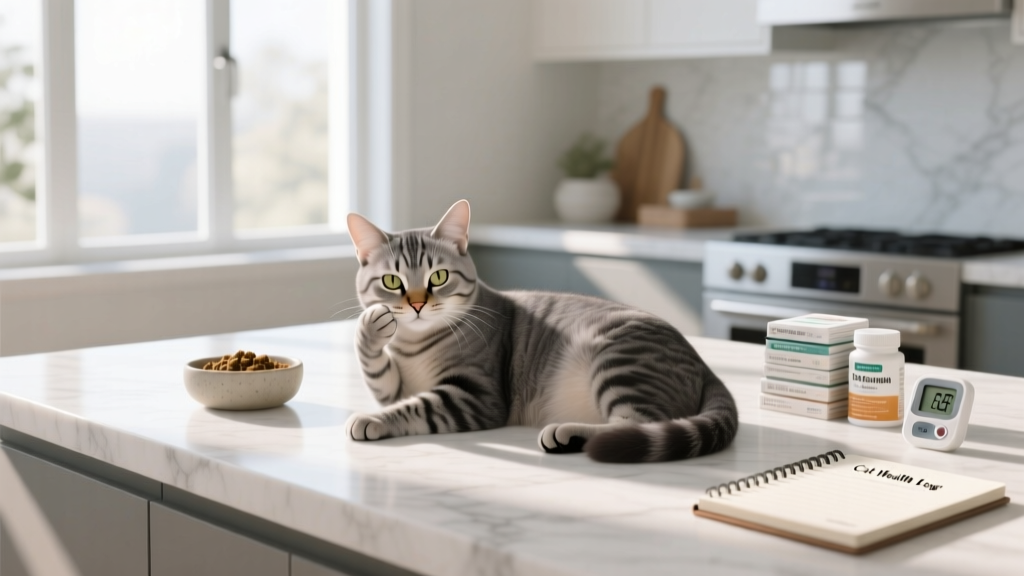
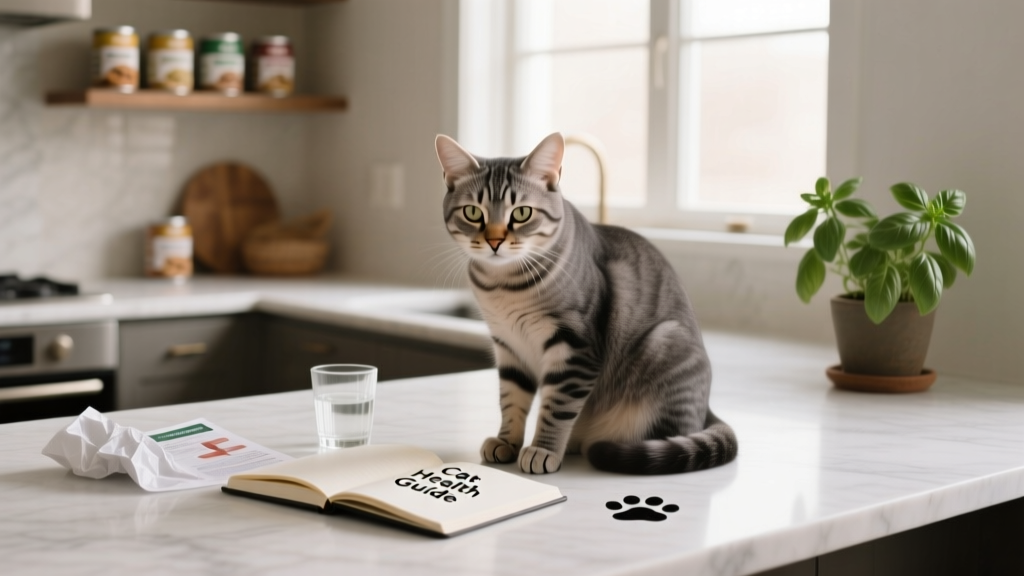
Environmental stress reduction also plays a documented role: a 2026 University of Glasgow study linked consistent daily routines and vertical space access to 29% lower IBD flare frequency over 12 months. Owners should maintain detailed symptom diaries—logging vomiting frequency, stool consistency (using the Bristol Cat Stool Scale), appetite, and energy level—to inform timely veterinary reassessment. Early detection of subtle shifts enables intervention before full relapse occurs.
Supplements require caution: while omega-3 fatty acids (EPA/DHA ≥200 mg/day) show anti-inflammatory potential in murine models, no feline RCT has confirmed efficacy in IBD. Similarly, turmeric and slippery elm lack safety or dosing data in cats and are not endorsed by current ACVIM guidelines.
Long-term prognosis is favorable with disciplined care: 76% of cats managed per 2026 protocols maintain stable remission for ≥2 years. However, ongoing vigilance is non-negotiable—especially as cats age and comorbidities like chronic kidney disease may complicate treatment choices.
Collaboration between owner, primary veterinarian, and board-certified specialists remains vital. Telehealth triage tools introduced by AAHA in early 2026 now allow secure video review of stool samples and appetite logs, accelerating intervention timelines by an average of 3.2 days.
Finally, never discontinue immunosuppressive medication without veterinary guidance—even if symptoms resolve. Abrupt cessation can trigger rebound inflammation and more aggressive disease recurrence.
"IBD isn’t cured—it’s modulated. Our goal is lifelong intestinal homeostasis, not just symptom suppression." — Dr. Elena Rodriguez, DVM, DACVIM, ACVIM IBD Consensus Panel Lead, March 2026