Feline Strongyloides: Threadworm Intestinal Infection
1. Why this topic matters to cat owners
Most cat parents are familiar with common intestinal parasites like roundworms and hookworms, but there are less well-known parasites that can still cause real trouble—especially for kittens, cats in shelters, and cats with weaker immune systems. One of these is Strongyloides, sometimes called threadworm.
Strongyloides infections can range from mild digestive upset to serious, ongoing diarrhea and dehydration. They can be tricky to diagnose because the parasite may not show up on routine fecal tests every time. Understanding how Strongyloides spreads, what symptoms look like, and when to seek veterinary care helps you protect your cat and reduce the risk of ongoing infection in your home or multi-cat environment.
2. Overview: What is Strongyloides in cats?
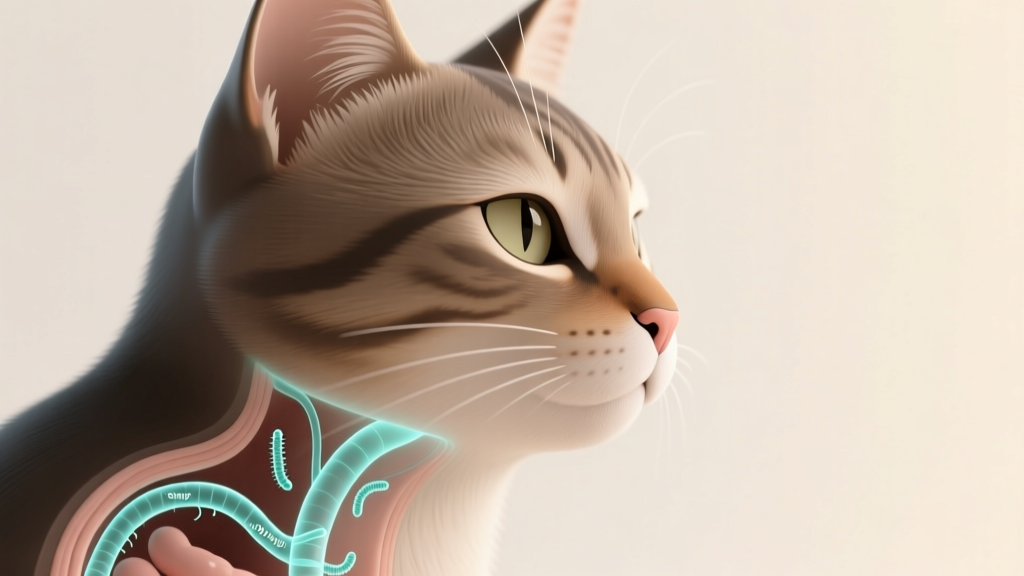
Strongyloides are tiny parasitic worms that primarily live in a cat’s small intestine. The most recognized species affecting cats is often referred to as Strongyloides stercoralis (species identification can vary by region and testing method). These parasites are different from many “classic” worms because of their life cycle and how they reproduce.
Here’s the plain-language version of what happens:
- Adult worms (often only females) live in the lining of the small intestine.
- They produce larvae (immature worms) rather than typical eggs seen with some other intestinal parasites.
- Those larvae can leave the body in the stool, develop in the environment, and later infect another host.
- In some situations, larvae can also re-infect the same cat, making the infection more persistent.
Strongyloides can cause inflammation in the intestinal lining and interfere with normal digestion and absorption. In heavier infections, cats may lose fluids, electrolytes, and body condition.
Zoonotic potential: Some Strongyloides species can infect people under certain conditions, particularly through skin contact with contaminated soil. The overall risk from household cats is generally considered low, but it’s still wise to take hygiene seriously and discuss any concerns with your veterinarian—especially if anyone in the home is immunocompromised.
3. Symptoms and warning signs to watch for
Some cats show mild or vague signs; others develop more obvious gastrointestinal problems. Kittens and stressed or immunosuppressed cats may be more strongly affected.
Common signs:
- Diarrhea (may be watery, soft, or intermittent)
- Weight loss or poor weight gain in kittens
- Decreased appetite or picky eating
- Lethargy (less playful, more sleepy)
- Dehydration (dry gums, sunken eyes, tacky saliva)
Possible additional signs:
- Vomiting (less common, but can occur)
- Abdominal discomfort (hiding, tense belly, reluctance to be held)
- Unkempt coat due to poor nutrition/absorption
- Coughing or mild respiratory signs in some cases (larval migration is one reason parasites can occasionally affect more than the gut)
Practical tip you can do today: If your cat has diarrhea, take a clear photo of the stool and write down how long it’s been happening, how often your cat is going, and any diet changes. This information helps your vet narrow down causes quickly.
4. Causes and risk factors
Cats get Strongyloides by exposure to infectious larvae in the environment. These larvae thrive in warm, moist conditions and can be more common where there are many animals or compromised sanitation.
How infection can happen:
- Skin penetration: Larvae can enter through the skin (often paws or belly), especially if a cat lies on contaminated surfaces.
- Ingestion: Cats may swallow larvae from contaminated soil, litter, grooming paws, or shared environments.
- Exposure in high-density settings: Shelters, catteries, rescue situations, and crowded multi-cat homes increase risk.
Risk factors that make infection more likely or more severe:
- Kittens (less mature immune system)
- Stray/outdoor cats with soil exposure
- Recent adoption from shelter/rescue
- Chronic stress (crowding, frequent moves, new pets)
- Underlying illness or immune suppression
- Poor sanitation in litter areas or shared runs
Immediate action: Keep litter boxes clean and dry. Scoop at least once daily, wash boxes regularly, and keep feeding areas away from litter.
5. Diagnosis: What to expect at the vet
Because Strongyloides may not show up consistently on standard fecal tests, diagnosis can take a bit of detective work. If your cat has ongoing diarrhea or weight loss, your veterinarian may recommend several steps.
Common diagnostic tools:
- Physical exam: Your vet will check hydration, weight, abdominal comfort, and overall condition.
- Fecal testing:
- Fecal flotation may or may not find evidence, depending on whether larvae are present in that sample.
- Baermann technique (a specialized test) is often better for detecting larvae from parasites like Strongyloides.
- Repeated fecal samples over several days can increase the chance of detection.
- Fecal PCR panel (in some clinics/regions): Can detect parasite DNA and may be helpful when routine tests are negative.
- Bloodwork if your cat is sick or losing weight: Helps evaluate dehydration, electrolyte imbalances, inflammation, and overall organ health.
What to bring to the appointment:
- A fresh stool sample (your clinic can tell you the best way to store and transport it)
- A list of current medications, preventives, and recent deworming products
- Notes about diet, diarrhea frequency, and any vomiting or appetite changes
If Strongyloides is suspected but tests are inconclusive, your vet may still recommend treatment based on symptoms, exposure risk, and response to therapy. Always follow veterinary guidance—self-treating with the wrong product can delay real answers or cause side effects.
6. Treatment options (medical, supportive home care)
Strongyloides is typically treated with prescription antiparasitic medications. The exact medication and dosing schedule depend on your cat’s age, weight, overall health, and your veterinarian’s assessment.
Medical treatment (prescription):
- Antiparasitic dewormers targeted to Strongyloides (your veterinarian will choose the safest and most effective option for your cat)
- Repeat dosing may be needed to fully clear infection, especially if larvae are cycling
- Follow-up fecal testing is often recommended to confirm resolution
Supportive care (common add-ons):
- Fluids (subcutaneous or IV) if dehydrated
- Diet support (a bland or gastrointestinal prescription diet for a short period, if recommended)
- Probiotics or gut-support supplements (only if your veterinarian approves—some cats do better with specific formulations)
Home care you can do safely:
- Monitor hydration: Encourage drinking with a water fountain, multiple bowls, or adding water to canned food (ask your vet if this is appropriate for your cat).
- Track stool quality daily: Note frequency, consistency, and any blood or mucus.
- Keep your cat indoors during treatment to reduce re-exposure and protect wildlife.
- Clean litter boxes frequently and keep the litter area dry.
Surgical treatment: Surgery is not part of routine Strongyloides treatment. If a cat has severe complications, your veterinarian will address them medically and supportively, and investigate other conditions that might be present at the same time.
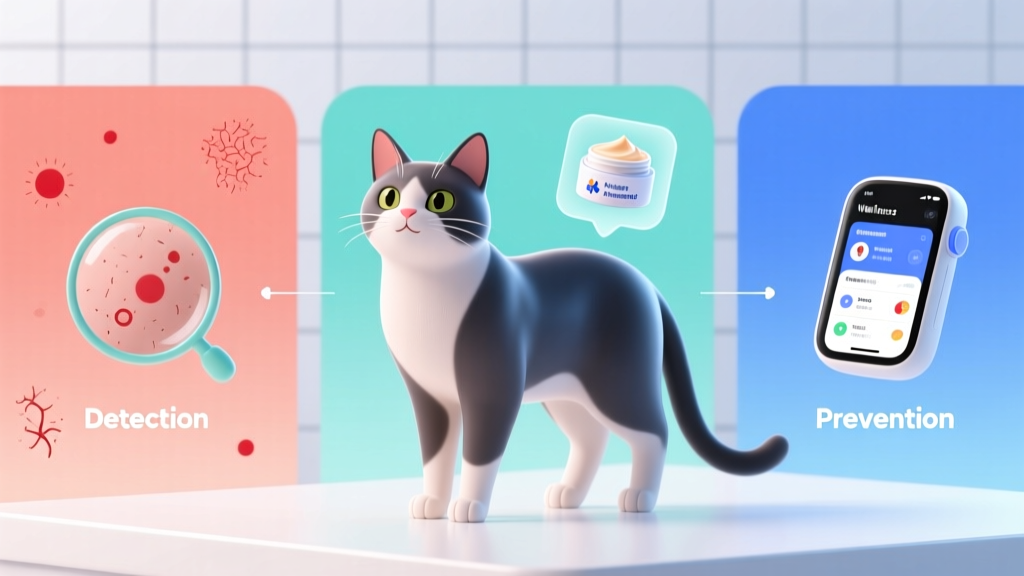
7. Prevention strategies and early detection tips
Prevention focuses on limiting exposure, improving hygiene, and catching infections early—especially in high-risk cats.
Prevention steps that help right away:
- Use veterinarian-recommended parasite prevention year-round when appropriate for your cat’s lifestyle and region.
- Practice excellent litter hygiene: Scoop daily; wash boxes regularly; avoid damp litter.
- Quarantine new cats in a separate room and schedule a vet check with fecal testing before mixing with other pets.
- Limit outdoor access to reduce soil exposure and hunting.
- Reduce crowding and stress in multi-cat homes; provide enough litter boxes (a common guideline is one box per cat, plus one extra).
Early detection tips:
- Schedule fecal exams for kittens and newly adopted cats, even if they “seem fine.”
- If diarrhea lasts more than 24–48 hours, or keeps returning, call your veterinarian.
- Weigh your cat monthly (or weekly for kittens) using a baby scale or a home scale method. Unplanned weight loss is a valuable early clue.
8. Prognosis and quality of life considerations
Most cats do very well when Strongyloides is diagnosed and treated appropriately. Many will improve noticeably within days after starting medication, though complete recovery of the intestinal lining can take longer.
Prognosis is generally good when:
- The infection is caught early
- The cat stays hydrated and maintains nutrition
- All prescribed doses are given correctly
- Environmental sanitation reduces re-infection
Quality of life may be impacted if:
- Diarrhea is prolonged and leads to dehydration or weight loss
- The cat has another underlying disease (intestinal inflammation, food sensitivity, immune compromise)
- Re-infection occurs due to ongoing exposure
If your cat’s symptoms improve and then return, don’t assume it’s “just stress” or “a sensitive stomach.” Follow up with your vet—repeat testing or a different diagnostic approach may be needed.
9. When to seek emergency veterinary care
Strongyloides itself is often manageable, but any cat can become dangerously dehydrated from diarrhea. Seek urgent veterinary attention if you notice:
- Severe watery diarrhea or diarrhea that won’t stop
- Blood in the stool (especially more than a small streak)
- Repeated vomiting or inability to keep water down
- Signs of dehydration: very dry/tacky gums, weakness, sunken eyes
- Marked lethargy (not getting up, hiding and unresponsive)
- Rapid weight loss or a kitten that stops gaining weight
- Pale gums or labored breathing
Kittens can deteriorate quickly. If your kitten has diarrhea plus low energy or poor appetite, it’s safest to call an emergency clinic or your regular veterinarian the same day.
10. FAQ: Common questions about Strongyloides in cats
Can indoor cats get Strongyloides?
Yes, it’s possible, though less common. Indoor cats can be exposed through contaminated soil brought in on shoes, potted plants, a newly adopted pet, or shared environments. Routine wellness care and fecal testing are still worthwhile—especially for kittens and new arrivals.
Is Strongyloides contagious to other pets?
Potentially, yes. The larvae can contaminate shared environments. If you have multiple pets and one is diagnosed, your veterinarian may recommend testing (and sometimes treating) other pets depending on their species, symptoms, and exposure risk.
Can humans catch Strongyloides from cats?
Some Strongyloides species can infect people, typically through skin contact with contaminated soil or fecal material. The risk in typical household settings is usually low, but good hygiene matters. Wear gloves when cleaning litter boxes if possible, wash hands thoroughly, and speak with your veterinarian and human healthcare provider if anyone in the home has a weakened immune system.
Why did my cat’s fecal test come back negative if symptoms fit?
Strongyloides can be hard to detect because larvae may be shed intermittently, and some routine tests are better at finding eggs than larvae. Your vet may recommend a Baermann test, PCR testing, or repeated samples to improve accuracy.
Will over-the-counter dewormers treat Strongyloides?
Not reliably, and some products may be inappropriate or unsafe depending on your cat’s age, weight, and health status. Strongyloides treatment should be guided by a veterinarian so the correct medication and dosing schedule are used and follow-up testing can confirm the infection is cleared.
How soon should my cat improve after starting treatment?
Many cats show improvement in stool quality and appetite within a few days, but full recovery can take longer—especially if the cat was dehydrated or underweight. If your cat worsens, stops eating, or doesn’t improve as expected, contact your veterinarian promptly for reassessment.
If your cat has persistent diarrhea, weight loss, or you’ve recently adopted a kitten or shelter cat, schedule a veterinary visit and ask whether specialized fecal testing is appropriate. With timely care and good hygiene, most cats recover well and get back to feeling like themselves.
For more practical, vet-informed cat health guides and wellness tips, visit catloversbase.com.