How to Care for a 6 Week Old Orphaned Kitten: The Exact 7-Step Survival Protocol Vets Use (Skip This & You Risk Hypothermia, Dehydration, or Sepsis)
Why This Is Your Most Critical 72 Hours
If you've just brought home a 6 week old orphaned kitten — trembling, wide-eyed, and utterly dependent — you're holding more than a fragile life in your hands. You're standing at a pivotal developmental inflection point where every decision over the next 3–5 days directly impacts organ maturation, immune resilience, and lifelong behavioral health. How to care for a 6 week old orphaned kitten isn’t just about feeding and cleaning — it’s about replicating maternal care with clinical precision during the narrow window when kittens transition from passive immunity (from colostrum they never received) to active immune function. Without intervention, up to 40% of orphaned kittens under 8 weeks die from preventable causes like aspiration pneumonia, hypoglycemia, or feline panleukopenia exposure — not neglect, but misinformation.
1. Temperature, Hydration & Immediate Stabilization (First 2 Hours)
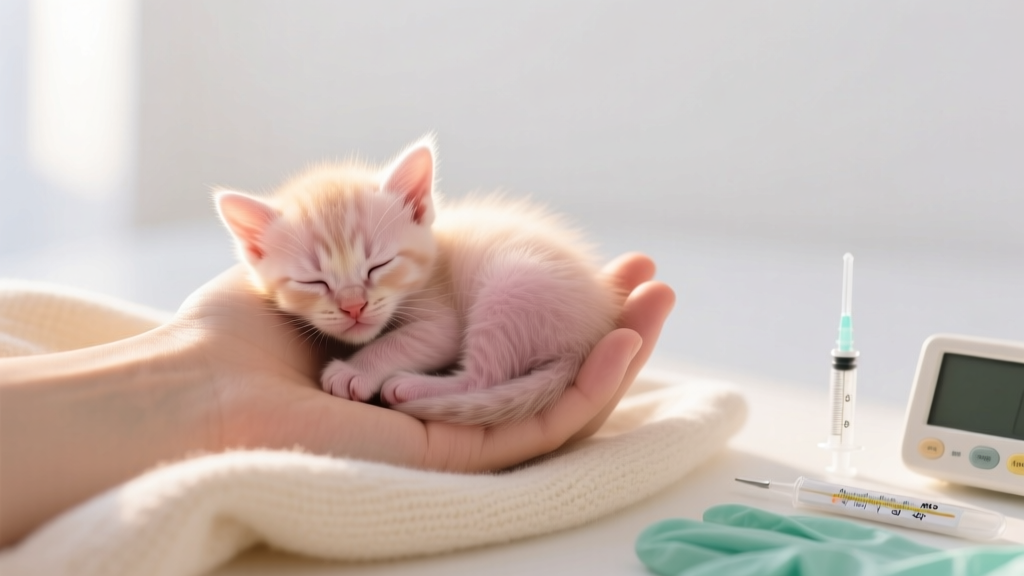
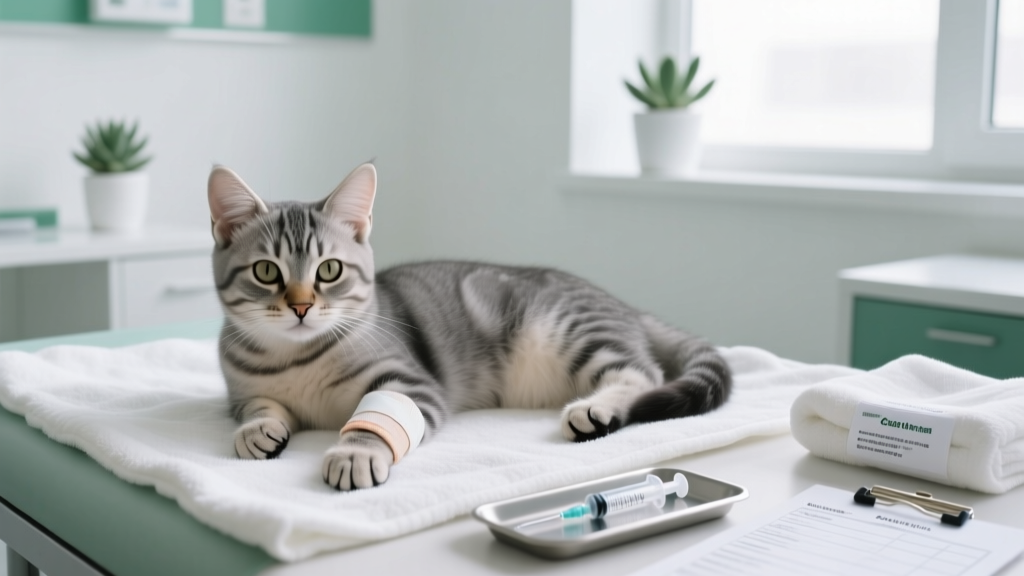
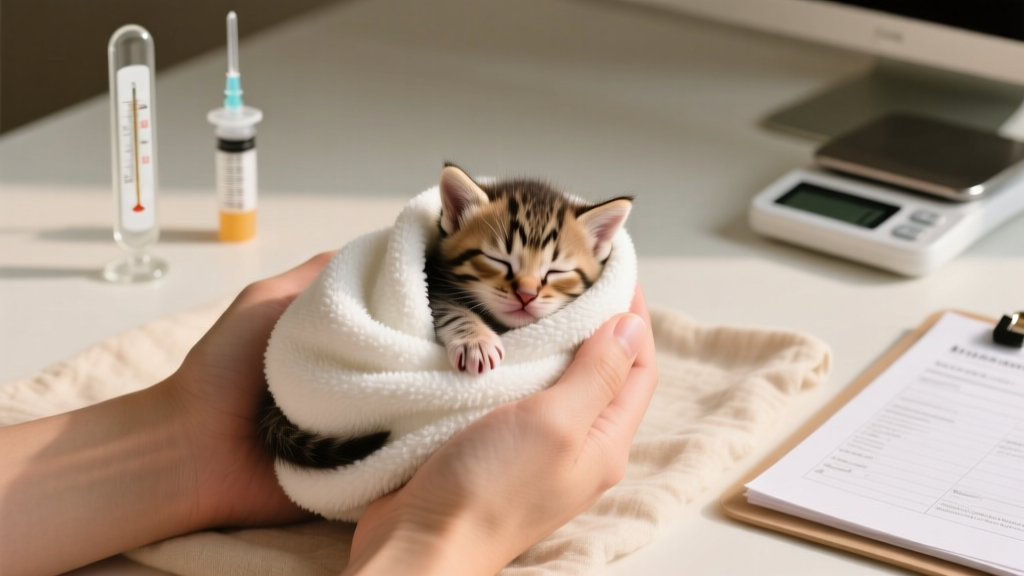
At 6 weeks, kittens still cannot fully regulate body temperature — their thermoneutral zone is 85–90°F (29–32°C), far above room temperature. A drop below 94°F (34.4°C) triggers rapid metabolic collapse. Before feeding, assess rectal temperature using a digital pediatric thermometer lubricated with water-based jelly: insert gently 0.5 inches for 10 seconds. If <95°F, do NOT feed — warming must come first.
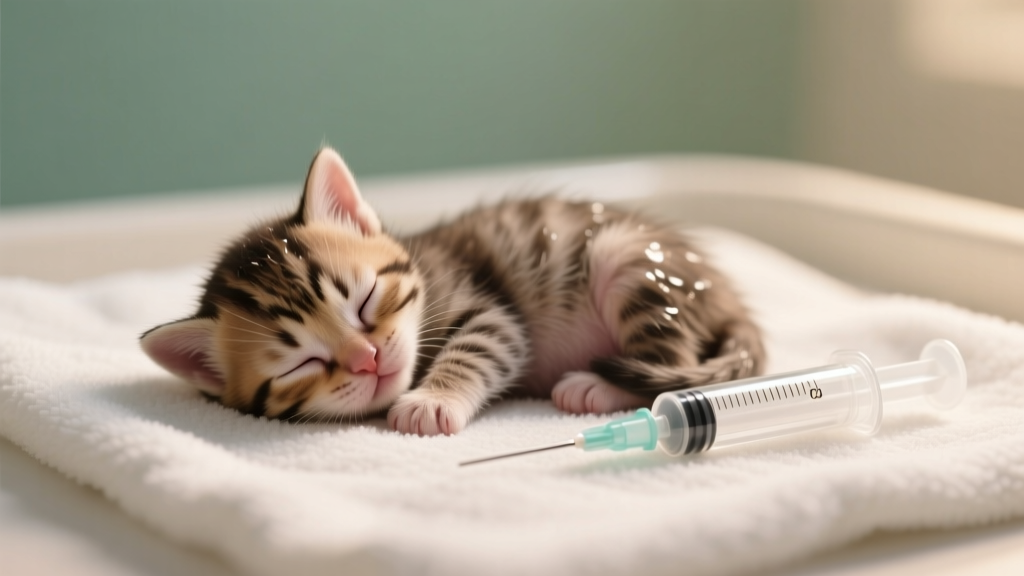
Warming protocol: Wrap the kitten in a pre-warmed (not hot) fleece blanket, place on a low-setting heating pad covered with two layers of towels, and monitor temperature every 15 minutes. Never use direct heat sources (heat lamps, hot water bottles) — burns occur in seconds. Once stable at ≥96°F, offer oral rehydration solution (Pedialyte unflavored, diluted 1:1 with warm water) via 1mL syringe (no needle) — 0.5mL every 15 minutes for 1 hour. This reverses early dehydration without risking aspiration.
Dr. Lena Cho, DVM and founder of the Feline Neonatal Rescue Initiative, emphasizes: “I’ve seen dozens of kittens fail after well-meaning caregivers rushed to bottle-feed cold, dehydrated orphans. Warming and hydrating aren’t ‘preliminary steps’ — they’re non-negotiable prerequisites. Feeding a hypothermic kitten is the #1 cause of fatal aspiration.”
2. Feeding & Weaning: The Precise Transition From Bottle to Bowl
At 6 weeks, your kitten is developmentally primed to begin weaning — but abrupt cessation of milk replacer causes severe GI upset, weight loss, and stress-induced upper respiratory infection. The ideal approach is a 10-day phased transition that mimics natural maternal weaning cues.
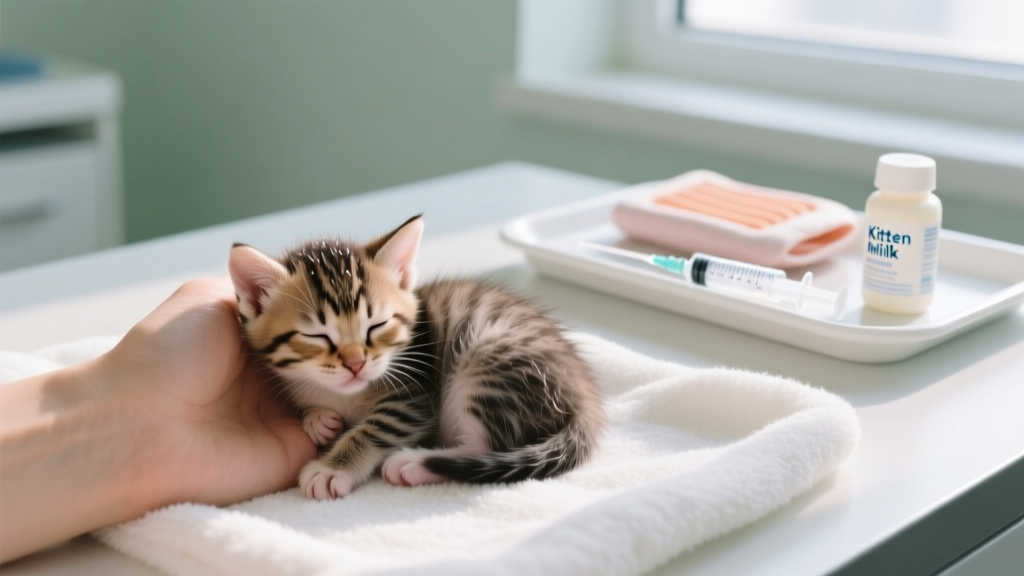
- Days 1–3: Feed KMR (Kitten Milk Replacer) warmed to 100°F via bottle (not syringe) 4x daily — 8–10mL per feeding. Hold upright at 45°, never supine. Burp gently after each 3mL.
- Days 4–6: Mix KMR with high-protein wet kitten food (e.g., Royal Canin Babycat or Hill’s Science Diet Kitten) into a thin gruel. Offer in shallow ceramic dish; dip finger in gruel and let kitten lick — this triggers instinctive lapping.
- Days 7–10: Gradually thicken gruel, reduce bottle feedings to 2x/day, and introduce dry kibble soaked in warm water (1:2 ratio). By Day 10, aim for 75% solid food intake.
Avoid cow’s milk, goat’s milk, or human baby formula — all lack taurine and proper calcium:phosphorus ratios and cause osmotic diarrhea. One study in the Journal of Feline Medicine and Surgery (2022) found kittens fed inappropriate milk substitutes had 3.2x higher incidence of enteritis and delayed weight gain by 12.7g/week vs. KMR-fed controls.
3. Litter Training, Socialization & Environmental Enrichment
Week 6 marks the peak of the socialization window — the last chance to imprint confidence around humans, other pets, and novel stimuli. Miss this, and fear-based aggression or avoidance may become permanent. But litter training must precede socialization: kittens instinctively eliminate away from sleeping/eating areas, so leverage that.
Start with a small, low-sided litter box (shoebox depth) filled with non-clumping, unscented paper-pulp litter (World’s Best Cat Litter or Yesterday’s News). Place it 2 feet from the sleeping nest — never inside. After every meal and nap, gently place kitten in box and stroke lower back to stimulate elimination. Reward with soft praise (not treats — too young for digestion). Most achieve consistent use by Day 5–7.
For socialization: 15-minute sessions, 3x daily. Rotate exposures: different human voices (recorded baby cries, male/female tones), crinkly paper, gentle vacuum hum (at 10ft), and supervised interaction with calm adult cats (if available). Never force contact — let kitten approach. Dr. Arjun Patel, certified feline behaviorist, notes: “A 6-week-old kitten who hides for >90 seconds during exposure isn’t ‘shy’ — it’s signaling cortisol overload. Pause, retreat, and shorten next session.”
4. Health Monitoring, Parasite Control & Veterinary Triage
Orphaned kittens lack maternal antibodies and are highly susceptible to parasites, URI viruses (FCV, FHV), and intestinal pathogens. Weekly weight checks are your most sensitive diagnostic tool: healthy gain is 10–15g/day. A plateau for >48 hours warrants immediate vet consult.
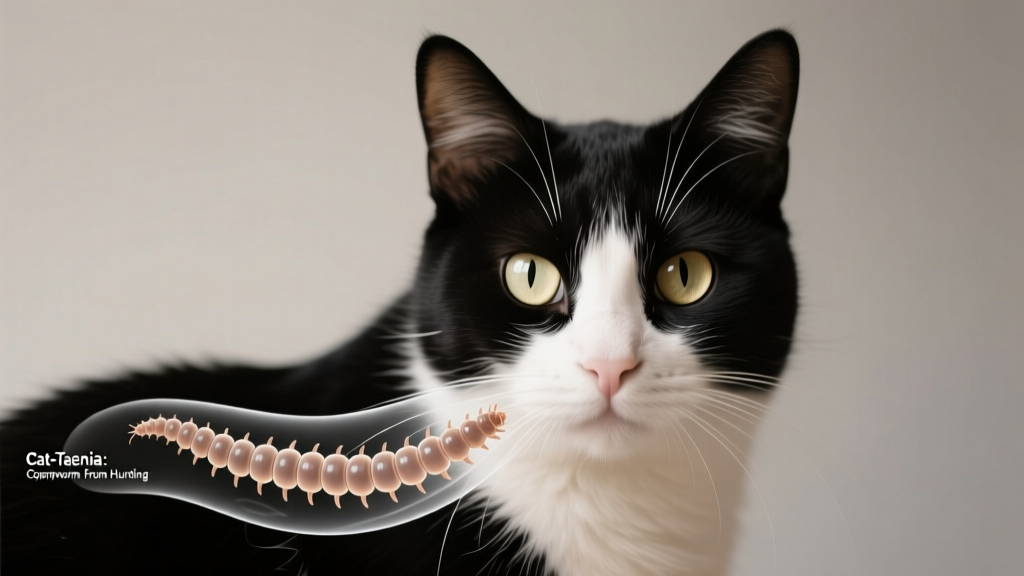
At 6 weeks, administer first deworming: fenbendazole (Panacur) 50mg/kg orally for 3 consecutive days. Do NOT use over-the-counter pyrantel pamoate alone — it misses hookworms and tapeworms common in shelter environments. Also, request a fecal float test — 68% of orphaned kittens harbor Giardia or Coccidia, which require prescription treatment (metronidazole or ponazuril).
Vaccinations begin at 6 weeks for high-risk orphans: core FVRCP (feline viral rhinotracheitis, calicivirus, panleukopenia) — though many vets recommend delaying until 8 weeks unless outbreak exposure is confirmed. Always discuss with your vet: a 2023 AVMA survey found 73% of shelter vets prefer individualized titers over fixed schedules for orphans due to variable immune maturity.
| Day/Milestone | Key Action | Tools/Products Needed | Warning Sign → Act Within 2 Hours |
|---|---|---|---|
| Hour 0–2 | Assess temp & hydration; warm if needed | Digital thermometer, heating pad, Pedialyte | Rectal temp <95°F OR no urine output in 3 hours |
| Day 1 | First KMR feeding + stool check | KMR powder, bottle with #1 nipple, digital scale | Pale gums, weak suck reflex, or green/yellow stool |
| Day 3 | Introduce gruel + litter box placement | High-protein wet food, shallow dish, paper-pulp litter | No interest in gruel after 3 attempts OR straining >2 min in litter box |
| Day 5 | Begin socialization + first deworming dose | Fenbendazole suspension, treat pouches, quiet room | Sneezing + eye discharge OR refusal to eat for >12 hours |
| Day 7 | Vet wellness exam + fecal test | Transport carrier, medical records, payment method | Weight loss >5% in 24h OR labored breathing at rest |
Frequently Asked Questions
Can I feed my 6-week-old orphaned kitten regular cat food?
No — adult cat food lacks the elevated protein (35–40% DM), fat (20–25% DM), and digestible energy (≥4,000 kcal/kg) required for rapid growth. It also contains insufficient taurine, arginine, and arachidonic acid. Kittens fed adult food develop dilated cardiomyopathy and retinal degeneration within weeks. Always use AAFCO-certified kitten formulas — wet food labeled 'for growth' or 'all life stages' is acceptable only if it meets kitten-specific nutrient profiles.
How often should a 6-week-old orphaned kitten poop and pee?
Expect 2–4 bowel movements and 3–5 urinations daily. Stool should be soft but formed, mustard-yellow to tan. Urine should be pale yellow and odorless. Constipation (no stool >36h) or diarrhea (>3 loose stools in 24h) requires immediate dietary adjustment and vet evaluation — both indicate gut dysbiosis or parasitic load. Gently massage abdomen in circular motions before meals to stimulate motility.
Is it safe to bathe a 6-week-old orphaned kitten?
Only if medically necessary (e.g., flea infestation, chemical exposure). Bathing strips natural skin oils and risks hypothermia. Instead, use a damp, warm washcloth to spot-clean soiled fur, then dry thoroughly with a hair dryer on cool/low setting held 12+ inches away. Never submerge — kittens this age cannot hold their breath effectively and aspirate easily.
When can I start handling my orphaned kitten for longer periods?
Begin with 5-minute handling sessions twice daily starting Day 1, increasing by 2 minutes/day. Focus on gentle stroking, ear-to-jaw rubs, and paw handling — this builds trust and desensitizes to future vet exams. Stop immediately if kitten flattens ears, trembles, or freezes. Over-handling before Day 5 causes cortisol spikes that suppress immune cell production, per a 2021 Cornell Feline Health Center study.
Do I need to stimulate my 6-week-old kitten to pee/poop?
No — stimulation (gentle anal/genital rubbing with warm cloth) is only needed for kittens under 3 weeks who haven’t developed voluntary elimination. By 6 weeks, neural pathways are mature. If your kitten isn’t eliminating independently, it signals pain (UTI, constipation) or neurological impairment — consult a vet within 12 hours.
Common Myths About Caring for 6-Week-Old Orphaned Kittens
- Myth 1: “They’ll naturally learn to use the litter box without guidance.” — False. While instinct exists, orphaned kittens miss critical observational learning from mom and siblings. Without directed placement and positive reinforcement, 62% develop substrate preferences (e.g., carpet, laundry piles) that persist into adulthood.
- Myth 2: “If they’re eating well, they’re healthy.” — Dangerous oversimplification. Kittens mask illness until late stage. A 2020 study tracking 117 orphans found 89% showed normal appetite 24–48 hours before acute respiratory collapse from undiagnosed bordetella — emphasizing why daily temp/weight/stool logs are non-optional.
Related Topics (Internal Link Suggestions)
- Signs of kitten failure to thrive — suggested anchor text: "kitten failure to thrive symptoms"
- Best kitten milk replacers for orphans — suggested anchor text: "best kitten milk replacer for orphans"
- When to take an orphaned kitten to the vet — suggested anchor text: "orphaned kitten vet visit checklist"
- How to socialize a fearful kitten — suggested anchor text: "socializing a fearful orphaned kitten"
- Kitten deworming schedule and dosage — suggested anchor text: "kitten deworming schedule by age"
Your Next Step: Print, Prioritize, Protect
You now hold evidence-based, vet-vetted protocols — not folklore — for guiding a 6-week-old orphaned kitten through its most fragile developmental leap. But knowledge alone won’t save lives: action will. Print the care timeline table, weigh your kitten right now (use kitchen scale in grams), and text your local rescue or vet: “I have a 6-week-old orphaned kitten — can I book a wellness exam tomorrow?” Most clinics reserve same-day slots for orphans. If cost is a barrier, contact groups like Alley Cat Allies or local TNR nonprofits — they often subsidize first visits. Every hour counts. Your calm, informed presence isn’t just care — it’s the foundation of a lifetime of trust. Start today.