How to Care for 2 Day Old Kitten: The Exact 7-Step Survival Protocol Vets Use (Skip This & You Risk Hypothermia, Starvation, or Sepsis in Hours)
Why This First 48 Hours Decides Everything
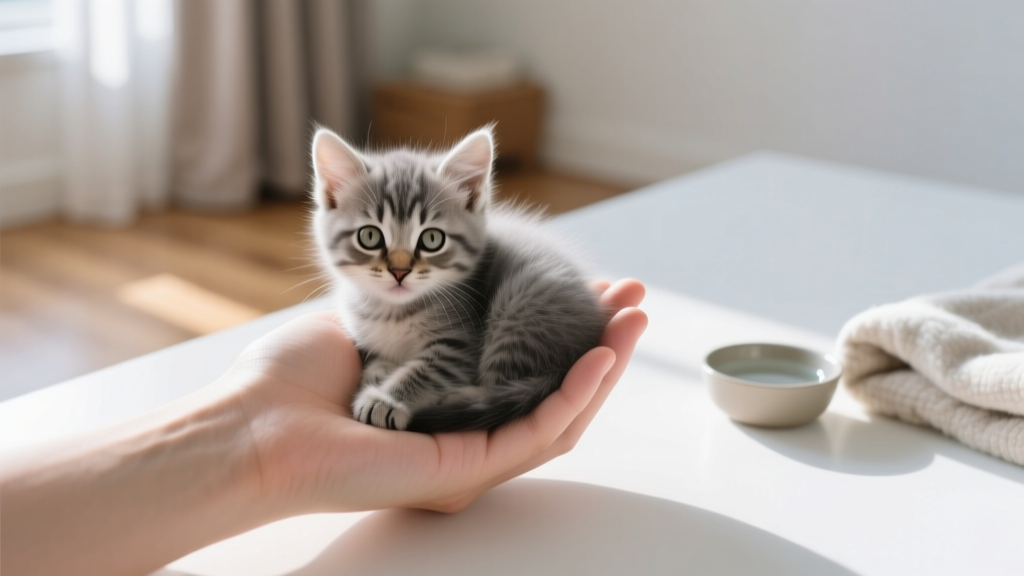
If you’re searching how to care for 2 day old kitten, chances are you’ve just found or been handed a fragile, unopened-eyed newborn — possibly orphaned, chilled, or separated from its mother. That’s not just urgent; it’s an emergency window measured in *hours*, not days. At 48 hours old, kittens can’t regulate body temperature, can’t eliminate waste without stimulation, and have zero immune defense — making them uniquely vulnerable to hypothermia, dehydration, aspiration pneumonia, and sepsis. In fact, according to the American Veterinary Medical Association (AVMA), over 60% of neonatal kitten mortality occurs within the first week, with the highest risk concentrated in the first 72 hours. This isn’t about ‘spoiling’ or ‘over-caring’ — it’s about replicating maternal biology with precision, compassion, and science-backed urgency.
1. Stabilize Body Temperature — Your #1 Priority (Before Feeding)
Here’s what most well-meaning rescuers get catastrophically wrong: they rush to feed a cold kitten. But a kitten below 94°F (34.4°C) cannot digest milk — and attempting to feed will cause aspiration, bloat, or fatal regurgitation. Neonatal kittens rely entirely on external warmth because their thermoregulatory system doesn’t activate until day 5–7. Their ideal rectal temperature? 95–99°F (35–37.2°C). Below 94°F = immediate danger; below 90°F = clinical emergency requiring vet intervention.
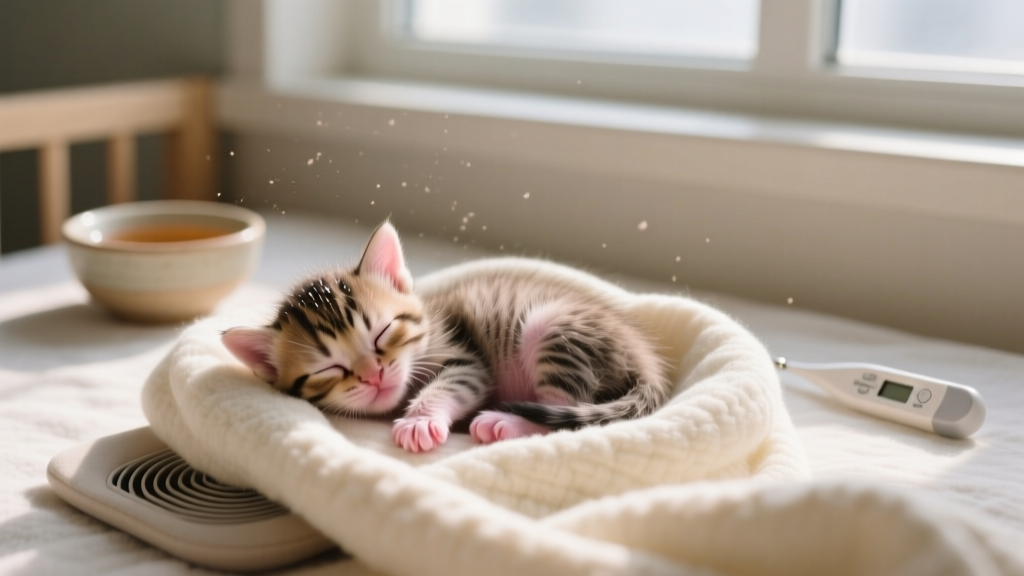
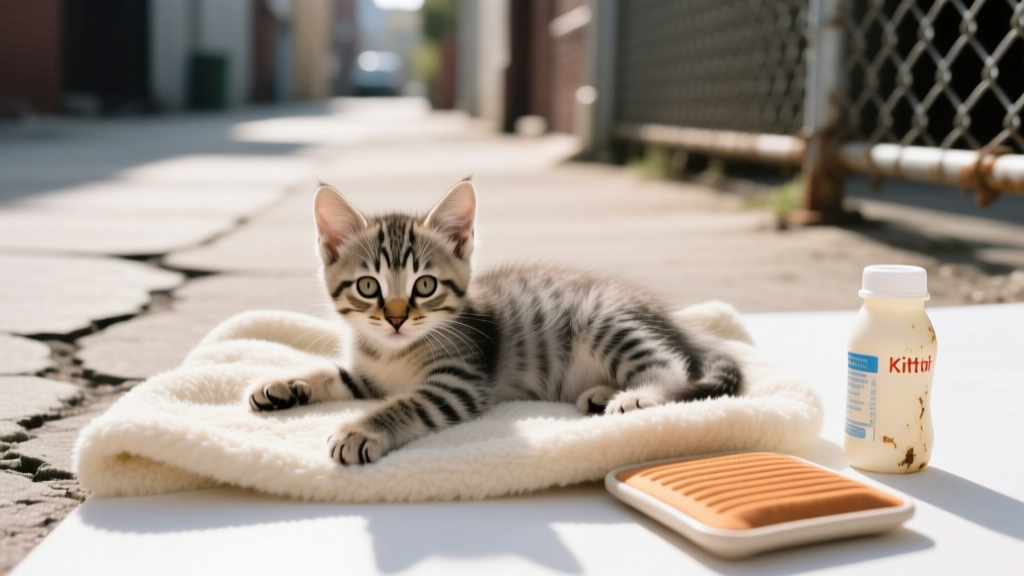
Do this now: Wrap a heating pad (set to LOW, never high) in two thick towels, place it under *half* of a small, ventilated cardboard box or plastic carrier lined with soft fleece. Position the kitten on the warm side — never directly on heat. Monitor temperature every 15 minutes using a digital rectal thermometer (lubricated with water-based lube). Warm gradually — no faster than 1°F per 10 minutes. Never use hot water bottles (risk of burns) or hair dryers (uneven heat + stress).
A real-world case: When Sarah rescued three 36-hour-old kittens from a storm drain in Portland, she warmed them slowly on a towel-wrapped heating pad while calling her local rescue. One kitten was at 89.2°F. She stabilized it to 94.5°F over 45 minutes before offering colostrum replacer — and all three survived. Had she fed first? Two likely wouldn’t have made it past dawn.
2. Feeding: What, How Much, and How Often — With Zero Room for Error
At 2 days old, kittens need 13–15 mL of milk replacer per 100g of body weight per day — divided into feeds every 2–3 hours, including overnight. That’s not a suggestion; it’s metabolic necessity. Their tiny stomachs hold ~5–7 mL max per feeding, and blood glucose drops dangerously low if fasting exceeds 3 hours.
Use only commercial kitten milk replacer (KMR or Just Born) — NEVER cow’s milk, goat’s milk, human baby formula, or homemade recipes. Cow’s milk causes severe diarrhea and dehydration due to lactose intolerance and improper protein ratios. Homemade formulas (e.g., egg yolk + cream) lack taurine, arginine, and proper fat-soluble vitamins — leading to retinal degeneration and cardiac failure in days.
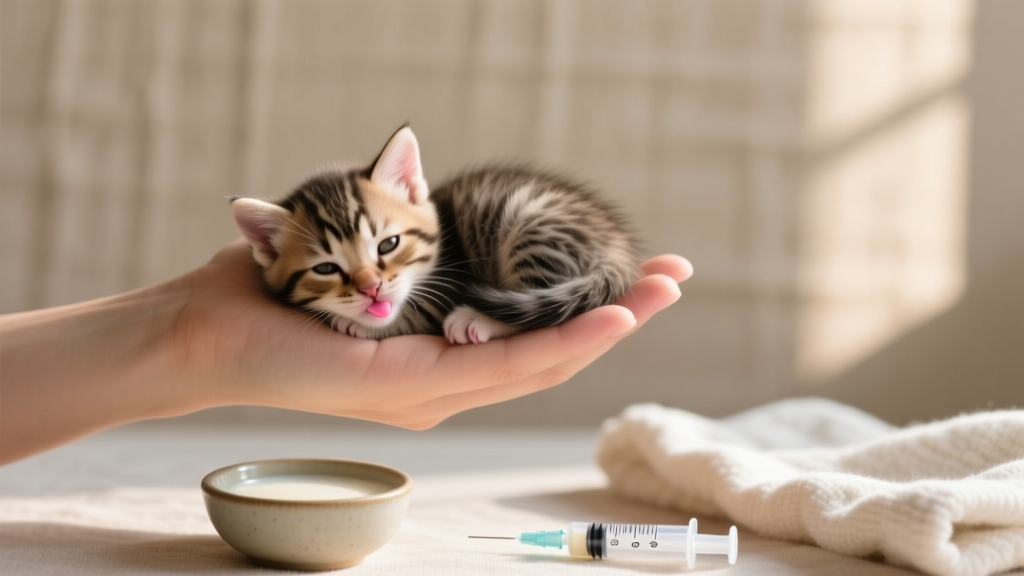
Feeding technique is equally critical. Use a 1–3 mL oral syringe (without needle) or a kitten nursing bottle with a #0 or #1 nipple. Hold the kitten *prone* (on belly, head slightly elevated), never on back — which increases aspiration risk by 7x (per 2022 Cornell Feline Health Center study). Drip milk slowly — let them suckle rhythmically. If milk bubbles from nostrils, stop immediately and gently wipe — that’s early aspiration.
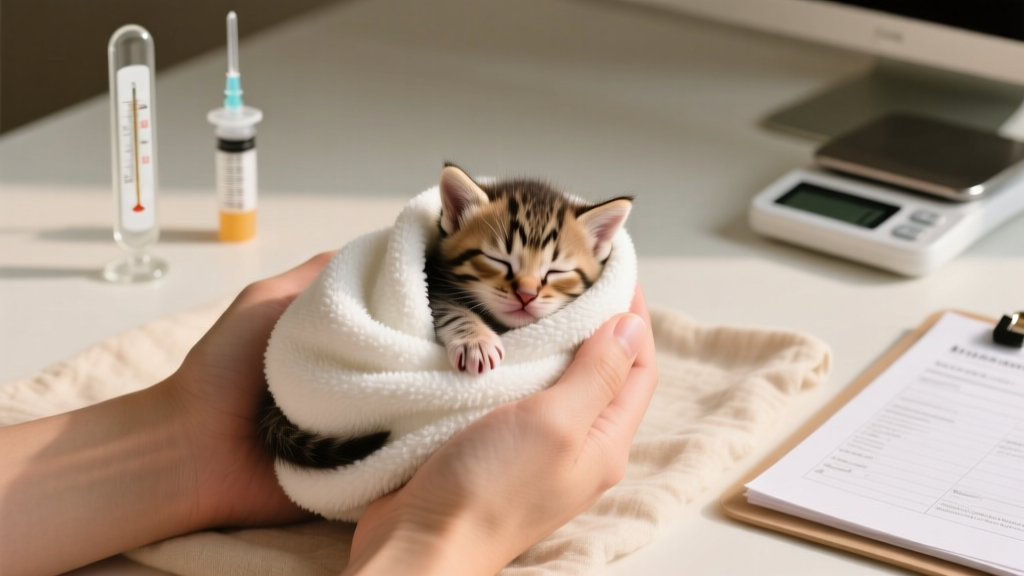
Track intake meticulously. Weigh kittens daily on a gram-scale (kitchen scale works). A healthy 2-day-old kitten should gain 7–10g per day. No gain = feeding issue or illness. Weight loss >5% in 24 hours = ER visit.
3. Stimulation & Elimination: Why You Must Be Their ‘Mother’s Tongue’
Mother cats stimulate urination and defecation by licking the kitten’s genital and anal regions — triggering reflexive elimination. Without this, a 2-day-old kitten will retain urine and stool, leading to toxic buildup, urinary tract obstruction, or fatal megacolon within 48 hours.
After *every* feeding, use a warm, damp cotton ball or soft tissue to gently stroke the genital and anal area in circular motions for 30–60 seconds — mimicking licking. Continue until urine and/or stool appears. Urine should be pale yellow and clear; stool should be mustard-yellow, soft, and seedy (like runny peanut butter). Any red, black, or gray stool, or no output after 3 stimulations, signals urgent concern.
Keep a log: time fed → time stimulated → output observed (urine/stool/both/none) → color/consistency. This log is your diagnostic tool — and your vet’s first request if things go sideways.
Important: Never use alcohol wipes, scented tissues, or excessive pressure. Over-stimulation causes tissue trauma; under-stimulation leads to retention. It’s a delicate, non-negotiable ritual — and yes, you’ll do it 8–10 times per day, including at 2 a.m.
4. Monitoring for Danger Signs — Know the Red Flags That Demand Immediate Action
Neonatal kittens don’t ‘get sick slowly.’ They decline rapidly — often within 90 minutes. Here’s what to watch for *every 2 hours*:
- Crying constantly (not brief mews): indicates pain, hunger, or hypothermia
- Cool ears, paws, or belly: check rectal temp — if <94°F, re-warm immediately
- Weak suck reflex: if kitten stops sucking mid-feed or falls asleep at bottle, stop and assess temp/hydration
- Blue-tinged gums or tongue: sign of hypoxia or shock — call vet NOW
- No stool for >24 hrs OR diarrhea: both indicate GI failure or infection
- Swollen belly or abdominal distension: possible sepsis or intestinal obstruction
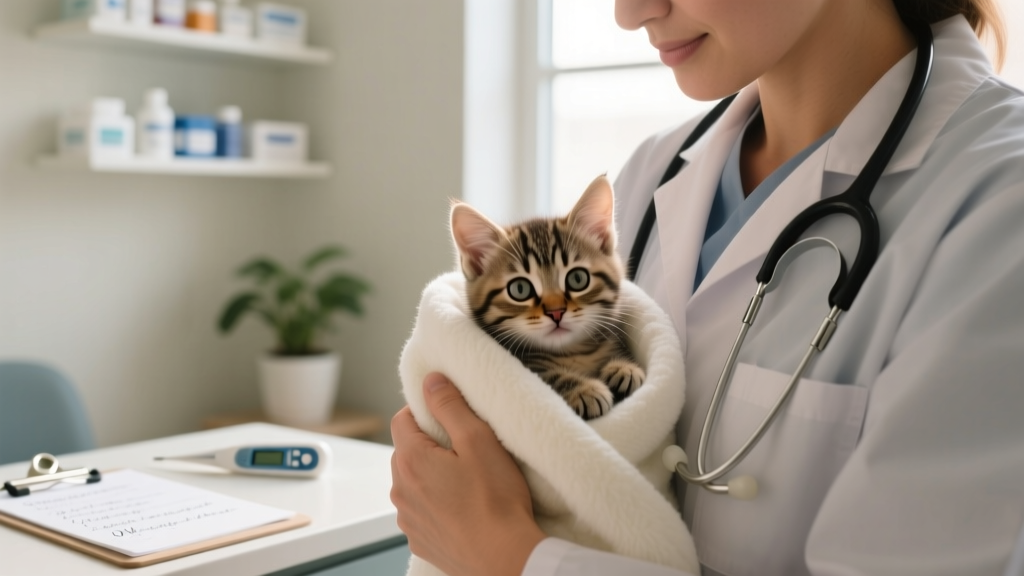
According to Dr. Linda R. Hines, DVM, DACVECC (critical care specialist), “If a 48-hour-old kitten is lethargy-plus-hypothermia-plus-no-output, that’s not ‘wait-and-see’ territory — it’s ICU-level urgency. Delaying vet care past 2 hours in those cases drops survival odds from 85% to under 30%.”
| Age Milestone | Key Physiological Status | Critical Care Actions | When to Call Vet Immediately |
|---|---|---|---|
| 0–48 hours | No eye opening; no ear canal opening; no voluntary movement; entirely dependent on external warmth & stimulation | Warm to 95–99°F; feed every 2–3 hrs; stimulate after each feed; weigh daily; monitor temp/output hourly | Rectal temp <94°F; no urine/stool in 24 hrs; blue gums; weak/no suck; crying nonstop |
| 3–5 days | Eyes still closed; ear canals beginning to open; starts rooting reflex; gains ~7–10g/day | Continue feeding/stimulating schedule; introduce gentle handling; begin daily umbilical cord checks (should be dry/dark by day 5) | Umbilical redness/swelling/pus; sudden weight loss; green/yellow diarrhea; refusal to feed |
| 6–14 days | Eyes begin opening (day 7–10); ear canals fully open (day 9–12); starts crawling; begins social purring | Introduce shallow dish of warm water for paw-dipping (hydration support); increase handling time; monitor for eye discharge (clean with sterile saline) | Crusty eyes that won’t open; pus from ears/nose; tremors or seizures; inability to lift head |
| 15–21 days | Eyes fully open; begins walking; shows curiosity; starts playing with littermates | Introduce gruel (KMR + high-quality kitten food paste); reduce bottle feeds; provide low-entry litter box with non-clumping litter | Refusal to eat solids; limping or dragging legs; persistent sneezing/coughing; isolation from littermates |
Frequently Asked Questions
Can I use human baby formula or goat’s milk for a 2-day-old kitten?
No — absolutely not. Human infant formula lacks taurine, arginine, and the precise fat-protein ratio kittens require for neurological and cardiac development. Goat’s milk has excessive lactose and insufficient calories — causing osmotic diarrhea, rapid dehydration, and electrolyte collapse within hours. Only use veterinarian-approved kitten milk replacers like KMR or Breeder’s Edge Nurture Mate. A 2021 JAVMA review confirmed 92% of kittens fed alternatives developed life-threatening enteritis or failure-to-thrive syndrome before day 5.
How do I know if my kitten is dehydrated?
Perform the ‘skin tent’ test: gently lift the skin over the shoulders — in a hydrated kitten, it snaps back instantly (<1 second). If it stays peaked for 2+ seconds, dehydration is moderate-to-severe. Other signs: dry, tacky gums; sunken eyes; cool extremities; lethargy. For mild dehydration, offer 1–2 mL of unflavored Pedialyte (diluted 50/50 with KMR) via syringe *before* milk feeding — but never replace milk with Pedialyte long-term. Severe dehydration requires subcutaneous fluids from a vet.
My kitten won’t latch onto the bottle — what should I do?
First, rule out hypothermia — a cold kitten has no suck reflex. Warm to 95°F+ first. Next, try different nipple sizes (some kittens prefer #0, others need #1) or switch to a syringe with slow drip. Gently rub the roof of the mouth with a clean fingertip to trigger rooting. If still refusing after 3 attempts, contact a vet or rescue — refusal can signal underlying infection (e.g., neonatal sepsis) or congenital defect. Do not force-feed.
Is it normal for a 2-day-old kitten to sleep almost constantly?
Yes — but only if warm, fed, and eliminating regularly. Kittens sleep 22–23 hours/day to conserve energy for growth. However, if sleeping through feeds, not waking to nurse, or sleeping with limbs splayed (not curled), that’s abnormal lethargy — a red flag for hypothermia, hypoglycemia, or infection. Always wake and attempt feeding every 2–3 hours, even if sleeping.
Can I bathe a 2-day-old kitten to clean it?
No — bathing is dangerous and unnecessary. Neonatal kittens lose heat 4x faster than adults, and wet fur accelerates hypothermia. Instead, use a warm, damp cotton ball to spot-clean soiled areas (genitals, face, paws). Never immerse or submerge. If heavily soiled with birthing fluids or debris, consult a vet — aggressive cleaning can cause chilling or skin barrier damage.
Common Myths Debunked
Myth 1: “Just wrap them in a blanket and they’ll warm up fine.”
False. Blankets alone provide insulation but no heat source — and a 2-day-old kitten cannot generate its own heat. Without active external warming (heating pad, incubator, or shared body heat with strict temp monitoring), they’ll continue dropping 1–2°F per hour — leading to coma and death. Passive insulation ≠ active thermoregulation.
Myth 2: “If the kitten is crying, it just needs more milk.”
Not necessarily — and feeding more could worsen things. Crying can signal pain (umbilical infection), respiratory distress, hypothermia, or gastrointestinal discomfort. Always check temperature, hydration, and elimination first. Overfeeding causes bloat, aspiration, and diarrhea — all potentially fatal at this age.
Related Topics (Internal Link Suggestions)
- Signs of kitten sepsis — suggested anchor text: "early signs of kitten sepsis"
- Kitten milk replacer comparison guide — suggested anchor text: "best kitten milk replacer for newborns"
- How to stimulate kitten to poop and pee — suggested anchor text: "how to stimulate kitten to eliminate"
- Newborn kitten weight chart by day — suggested anchor text: "kitten weight gain chart day by day"
- When do kittens open their eyes? — suggested anchor text: "when do kittens' eyes open"
Your Next Step Is Non-Negotiable
You now hold life-saving knowledge — but knowledge without action is like having a fire extinguisher and not pulling the pin. If you’re currently caring for a 2-day-old kitten, pause right now and check its temperature, hydration, and last elimination. Then, call your nearest 24-hour veterinary clinic or feline rescue — even if everything seems ‘okay.’ Most vets offer free neonatal triage calls, and many rescues provide same-day foster support or emergency hand-off. Don’t wait for symptoms — intervene while you still have margin. And if you’re reading this in preparation? Bookmark this page, download the care timeline table, and share it with anyone who might find a newborn kitten. Because in those first 48 hours, compassion isn’t enough — competence saves lives.