Cat Dental Disease: 5 Warning Signs to Watch
Why Dental Health Matters
By age three, most cats have some degree of periodontal disease. Left untreated, dental infections can spread to the heart, kidneys, and liver. Early detection is key to preventing costly and painful complications.
1. Bad Breath (Halitosis)
Persistent foul breath is not normal for cats. While a mild fishy odor after eating is expected, strong or putrid breath often indicates bacterial buildup below the gumline.
2. Dropping Food or Chewing on One Side
Cats with tooth pain may drop kibble, prefer soft food, or chew exclusively on one side of their mouth. Some cats stop eating entirely when pain becomes severe.
3. Red or Swollen Gums
Healthy cat gums are pale pink. Bright red, swollen, or bleeding gums signal gingivitis — the earliest stage of periodontal disease. Yellow or brown tartar buildup along the gumline is another visible indicator.
4. Pawing at the Mouth
Frequent face rubbing, pawing at the mouth, or head shaking can indicate oral discomfort. Cats may also drool excessively or have blood-tinged saliva.
5. Behavioral Changes
Pain makes cats irritable or withdrawn. A previously social cat that hides, resists handling, or becomes aggressive when touched near the face may be suffering from dental pain.
Prevention
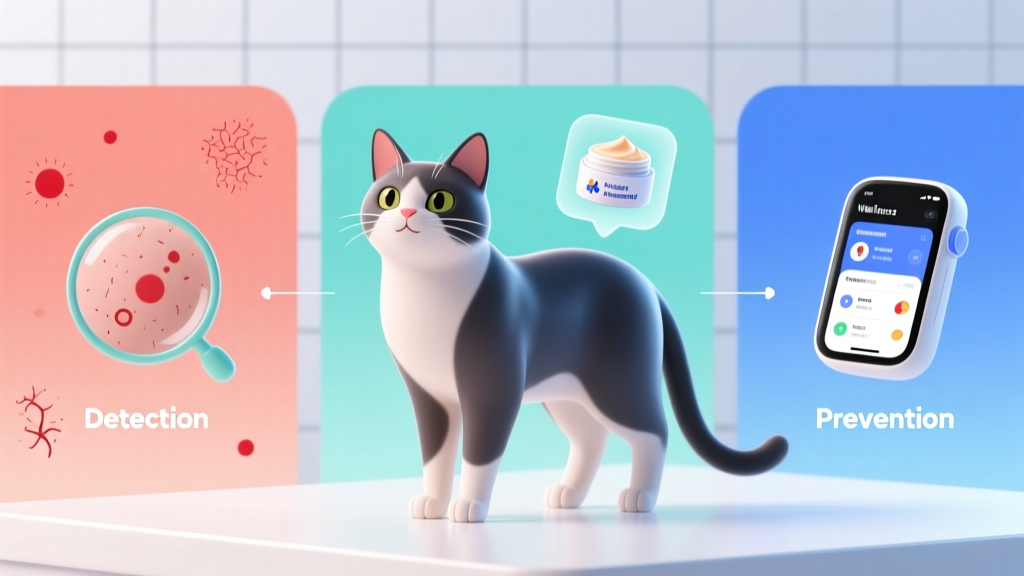
Annual veterinary dental cleanings under anesthesia remain the gold standard. Daily tooth brushing with feline-specific toothpaste, dental treats, and water additives provide supplemental protection.