Cat Allergy Symptoms in Humans
What Causes Cat Allergies
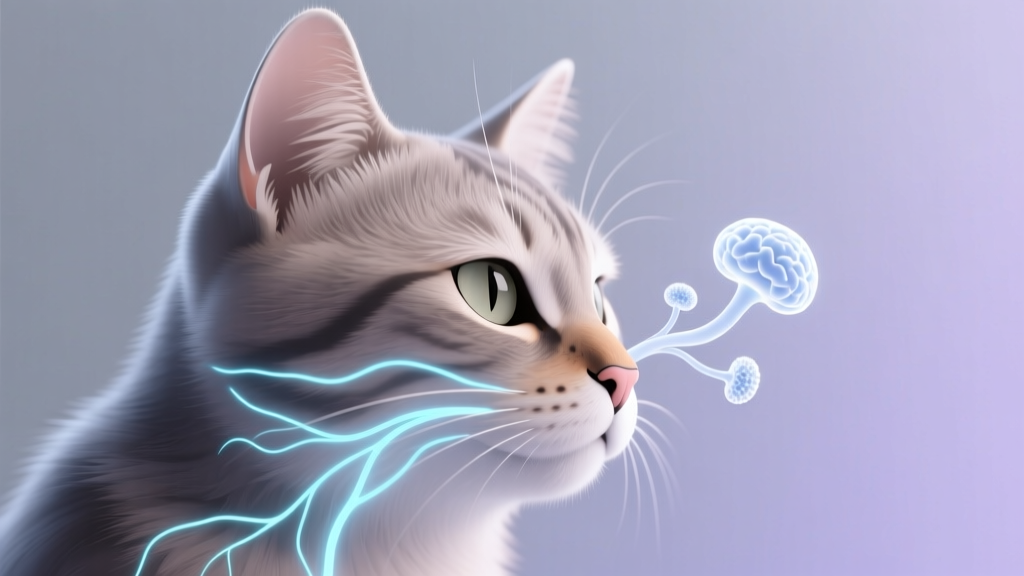
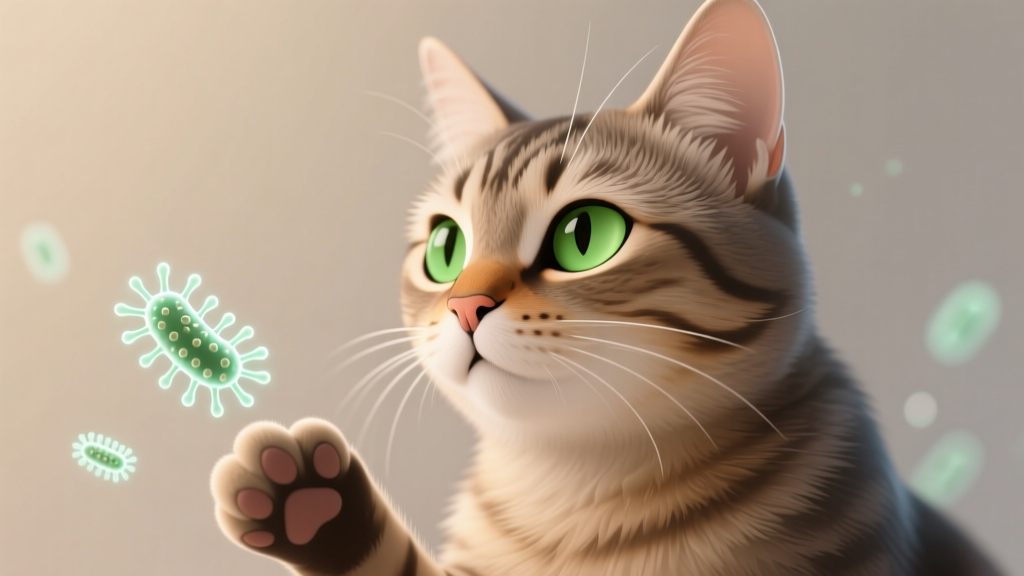
Contrary to popular belief, cat allergies are not caused by fur. The primary allergen is Fel d 1, a protein produced in cat saliva, skin glands, and urine. When cats groom, the protein transfers to their fur and then becomes airborne as microscopic particles.
Common Allergy Symptoms
Mild to Moderate
- Sneezing and runny nose
- Itchy, red, or watery eyes
- Nasal congestion
- Itchy throat or roof of mouth
- Postnasal drip
- Skin rash or hives where cat has scratched or licked
Severe Reactions
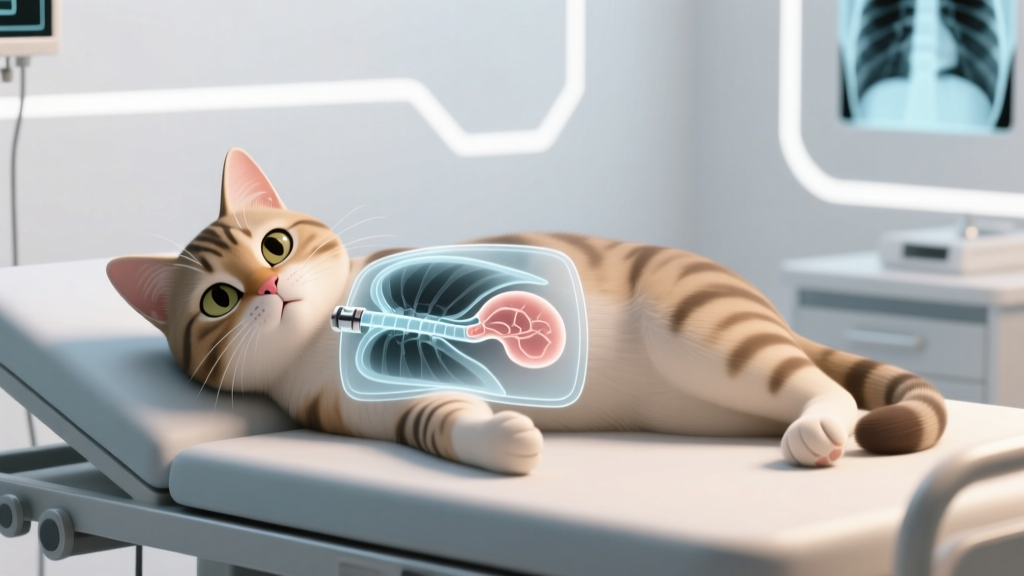
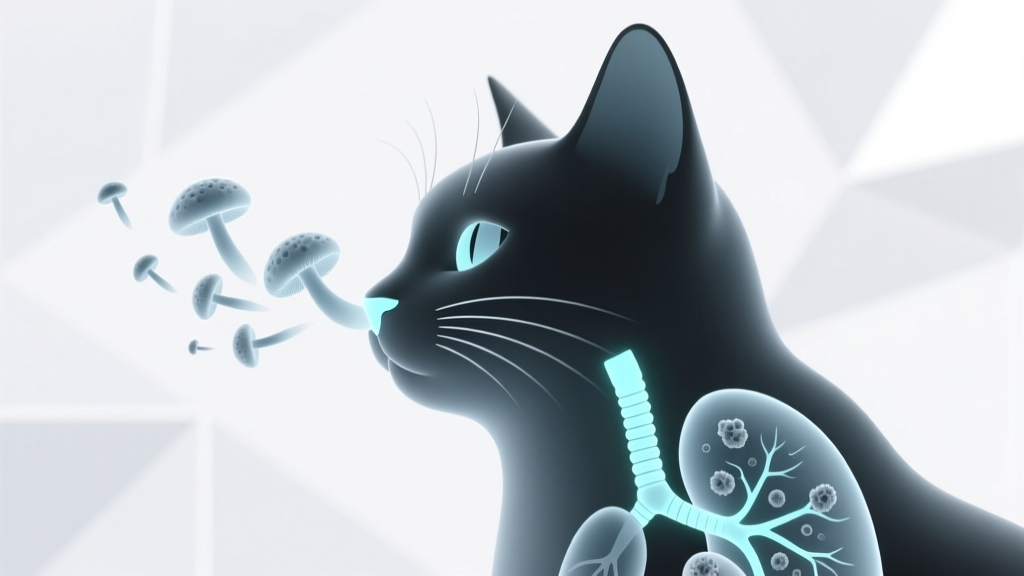
- Wheezing or difficulty breathing
- Chest tightness
- Asthma attacks in susceptible individuals
- Severe skin reactions (eczema)
Reducing Allergen Exposure
Environmental Controls
- HEPA air purifier in rooms where cat spends time
- HEPA vacuum cleaner for carpets and furniture
- Wash bedding weekly in hot water (130°F+)
- Keep cat out of bedrooms (allergen-free sleep zone)
- Replace carpet with hard flooring where possible
Cat Grooming
- Weekly bathing reduces Fel d 1 levels by up to 45%
- Regular brushing removes allergen-laden loose fur
- Wipe cat daily with allergen-reducing wipes
Medical Management
- Antihistamines — cetirizine, loratadine, fexofenadine
- Nasal corticosteroids — fluticasone spray for congestion
- Leukotriene modifiers — montelukast for asthma symptoms
- Allergy shots (immunotherapy) — gradual desensitization over 3-5 years
Lower-Allergen Cat Breeds
No cat is truly hypoallergenic, but some breeds produce less Fel d 1:
- Siberian — naturally lower Fel d 1 production
- Balinese — despite long hair, produces less allergen protein
- Russian Blue — dense coat traps allergens close to skin
- Bengal — unique pelt-like coat sheds less
- Sphynx — hairless, but still produces Fel d 1 in skin oils
Individual variation matters more than breed. Always spend time with a specific cat before committing to adoption.