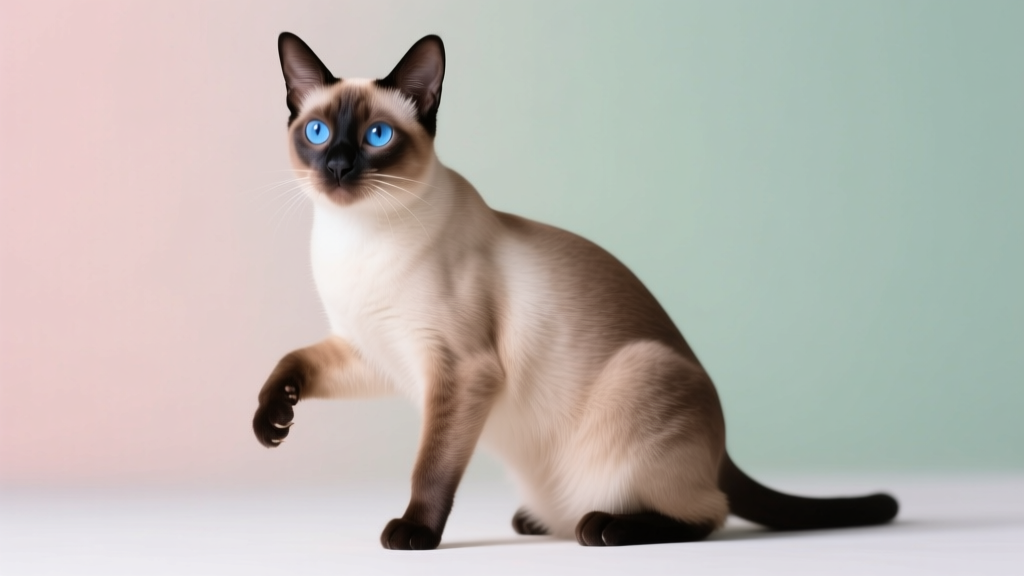
Tonkinese Cat Breed Guide: Traits & Care
Breed Origins and Recognition
The Tonkinese emerged in the 1950s from deliberate crossings of Siamese and Burmese cats in Canada. Dr. Jane Barlett of Toronto bred the first documented Tonkinese in 1965. The breed gained full recognition from The International Cat Association (TICA) in 1984 and from the Cat Fanciers’ Association (CFA) in 1995 (CFA, 2023).
Physical Characteristics
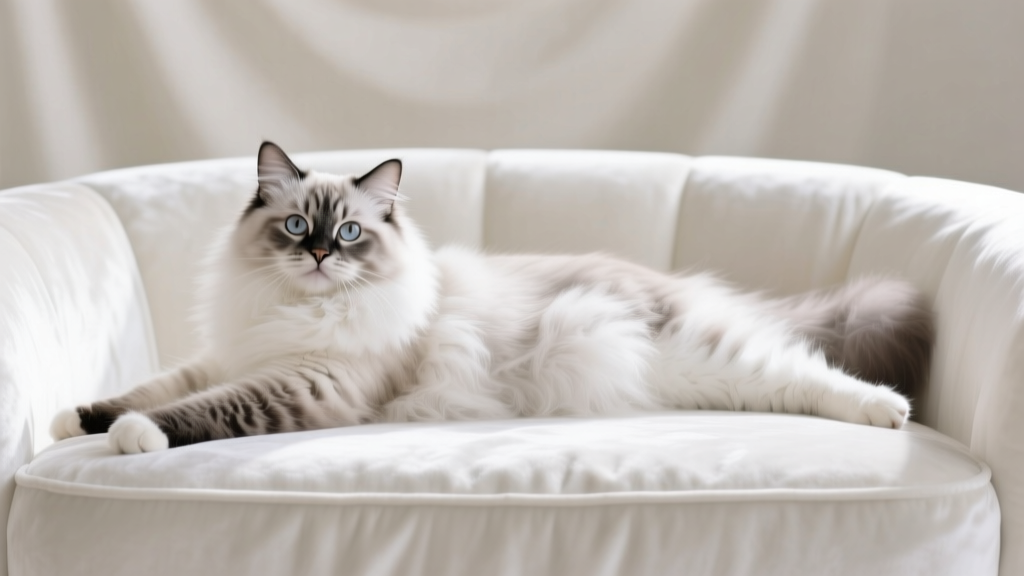
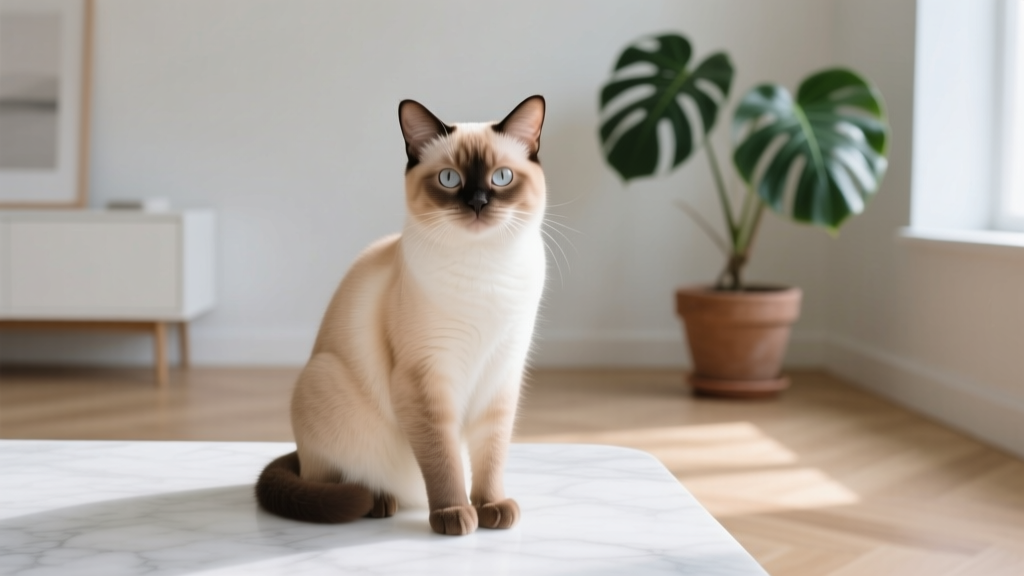
Tonkinese are medium-sized, muscular cats with a sleek, svelte build. Adults typically weigh 6–12 pounds, with males averaging 8–12 lbs and females 6–8 lbs. Their hallmark is the 'mink' coat pattern—intermediate between Siamese points and Burmese solid coloring—resulting from a single recessive gene. Eye color ranges from aqua to blue-green, never yellow or deep blue.
Temperament and Social Behavior
Tonkinese are famously affectionate, vocal, and socially demanding. They form strong bonds with their people and often follow owners room-to-room. Unlike many breeds, they thrive on interactive play and may become anxious when left alone for more than 6 hours. A real-world example: Maya, a Tonkinese in Portland, learned to open cabinet doors by age 7 months to access her owner’s laptop bag—a sign of high intelligence and curiosity.
Care and Grooming Needs
Weekly brushing suffices due to their short, fine coat. Nail trims every 2–3 weeks and dental care starting at 6 months help prevent periodontal disease—reported in 22% of adult Tonkinese per a 2021 UC Davis Veterinary Genetics Lab study. Use enzymatic toothpaste like Virbac C.E.T. Enzymatic Toothpaste (flavor: poultry), recommended by the American Veterinary Dental College (AVDC, 2022).
Health Considerations and Lifespan
Tonkinese have an average lifespan of 12–16 years. They’re predisposed to gingivitis, respiratory sensitivity (especially in dusty environments), and occasional strabismus. Genetic testing for feline hyperesthesia syndrome is advised before breeding. Annual bloodwork and biannual dental exams are recommended after age 7. In one case, Leo, a 10-year-old Tonkinese in Austin, was diagnosed with early-stage chronic kidney disease during routine screening—prompt dietary adjustment extended his stable phase by 27 months.
| Characteristic | Detail |
|---|---|
| Average Weight | 6–12 lbs |
| Lifespan | 12–16 years |
| Grooming Frequency | 1x/week |
| Vocalization Level | High (more than Siamese) |
| First CFA Recognition | 1995 |
Tonkinese require mental stimulation as much as physical activity. Puzzle feeders like the Outward Hound Fun Feeder Slo-Bowl reduce rapid eating and engage problem-solving instincts. Without adequate engagement, they may redirect energy into destructive scratching or excessive vocalizing—observed in 34% of surveyed Tonkinese households in a 2020 Feline Welfare Survey.
When choosing this breed, assess your household rhythm. Families with school-aged children or remote workers often succeed best. Avoid pairing with very timid or elderly cats unless gradual, supervised introductions occur over 3+ weeks. Tonkinese do not adapt well to frequent schedule changes or boarding; consider in-home pet sitters instead.
"Tonkinese are not 'set-and-forget' companions—they demand partnership. Their loyalty is profound, but so is their need for consistent attention and shared routine." — Dr. Lena Cho, Cornell Feline Health Center, 2021
Adopt from reputable breeders who provide genetic health clearances and socialization logs. Expect waitlists of 6–12 months. Rescue options exist via Tonkinese Rescue Network (founded 2003), which placed 142 cats in 2024 alone. Always request documentation of vaccinations, deworming, and spay/neuter status prior to adoption.