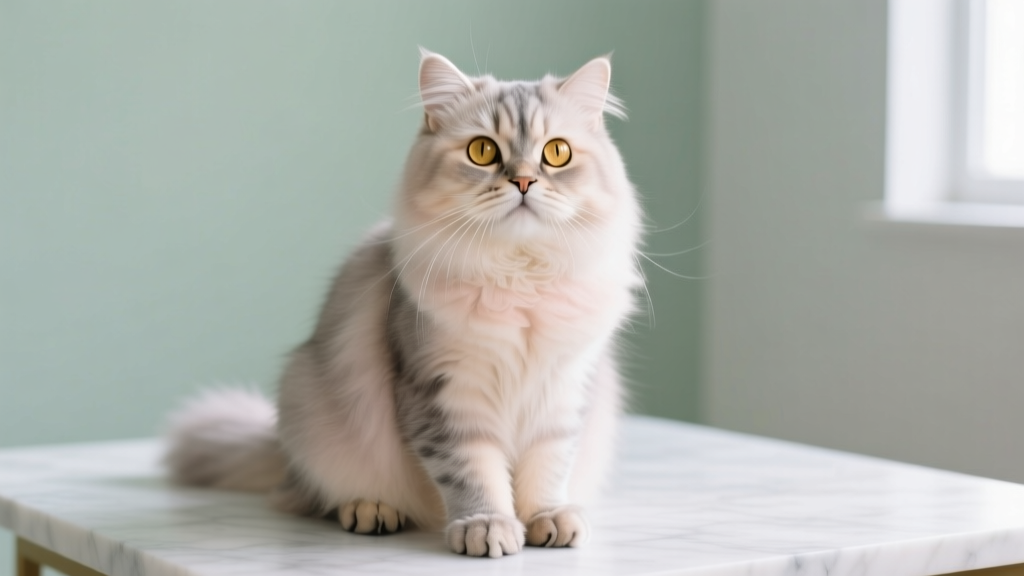
Exotic Shorthair: Persian Personality, Short Coat
Imagine a cat with the sweet, serene vibe of a Persian—big round eyes, a soft teddy-bear face, and that “born to be adored” expression—only with a plush short coat that’s far easier to live with day to day. That’s the Exotic Shorthair in a nutshell: a snugglable companion with a calm presence and a famously kissable, velvety coat.
Often nicknamed the “shorthaired Persian,” the Exotic Shorthair is a dream breed for cat lovers who crave that classic Persian look and laid-back affection, but prefer a grooming routine that won’t take over their life. They’re gentle, people-oriented, and quietly playful—perfect for anyone who loves a cat that feels like a warm, purring roommate rather than a constant whirlwind.
If you’re researching Exotic Shorthair cats as a potential pet, or you simply want to learn what makes this breed so special, you’re in the right place. Let’s get into the story, the look, the personality, and the practical care tips that help Exotic Shorthairs thrive.
Breed History and Origin
The Exotic Shorthair is a relatively modern breed that emerged in the United States in the mid-20th century. Breeders were drawn to the Persian’s round head, thick bones, and sweet expression—but they wanted a cat with a shorter, easier-to-maintain coat. To achieve this, American Shorthairs were crossed with Persians (and in some lines, other shorthaired breeds were used as well). The goal was consistent: preserve the Persian “type,” then wrap it in a dense, short coat.
Over time, careful breeding refined the Exotic Shorthair into a distinct, standardized breed recognized by major cat registries. Today, many Exotic Shorthairs are still closely related to Persians, and in some registries, the two breeds share standards with coat length being the primary difference.
The result is a cat that truly delivers what the title promises: Persian personality, short coat—plus a plushness that’s uniquely Exotic.
Physical Characteristics
The Exotic Shorthair is compact, sturdy, and rounded from head to toe. Everything about them says “soft”: round head, round eyes, rounded paws, and a thick, plush coat that feels like velvet.
| Feature | Typical Exotic Shorthair Traits |
|---|---|
| Size | Medium; cobby, sturdy build |
| Weight | Usually 7–12 lb (3.2–5.4 kg); some may be slightly outside this range |
| Coat | Short, dense, plush; stands off the body (not sleek/flat) |
| Head & Face | Round head; short nose; full cheeks; pronounced “baby-doll” expression |
| Eyes | Large, round, expressive; color depends on coat color |
| Ears | Small, rounded tips, set wide apart |
| Tail | Short to medium, thick, proportional |
Coat Texture
Unlike many shorthair cats, the Exotic’s coat is incredibly thick with a plush undercoat. It often “stands off” the body, giving them that adorable stuffed-animal silhouette. This density is a big part of the breed’s charm—and also why they still need regular grooming even though the fur is short.
Colors and Patterns
Exotic Shorthair cats come in a huge variety of colors and patterns, similar to Persians. Depending on registry standards, you’ll see:
- Solid (black, white, blue, cream, red, chocolate, lilac)
- Tabby (classic, mackerel, spotted) in many color combinations
- Bicolor and harlequin patterns
- Colorpoint (Himalayan-style points in some lines/registries)
- Shaded and smoke varieties
Distinctive Features
- Flat face (brachycephalic) look: A short nose and rounded muzzle that creates the classic “peek-a-boo” expression.
- Big round eyes: One of the breed’s most beloved features—open, sweet, and very “please cuddle me.”
- Cobby body: Short legs, broad chest, and solid bone structure.
Personality and Temperament Traits
If you love a cat that’s affectionate without being demanding, the Exotic Shorthair is famously easy to adore. Their temperament is often described as calm, gentle, and devoted. Many owners say their Exotic likes to be wherever the people are—on the couch, in the same room, or quietly supervising from a nearby cat bed.
Exotic Shorthairs tend to be:
- Sweet-natured and loving: They often bond strongly with their favorite humans.
- Quiet to moderately vocal: Many have softer voices than other breeds.
- Playful in short bursts: They enjoy interactive play, but they’re not usually nonstop athletes.
- Adaptable: Often content in apartments or smaller spaces when their needs are met.
- People-oriented: They may follow you from room to room like a fluffy shadow.
Compared with Persians, many Exotic Shorthairs are slightly more active and curious—thanks to their shorthair roots—but they still keep that relaxed, cuddly essence. They’re the kind of cat that happily accepts affection, loves a warm lap, and doesn’t mind a slow, cozy lifestyle.
Health Considerations and Common Issues
Exotic Shorthairs can be wonderful companions, but prospective owners should understand the health considerations associated with the breed’s flat-faced (brachycephalic) structure and Persian heritage. Responsible breeding, preventive care, and choosing a reputable breeder (or a rescue that provides thorough vet records) make a big difference.
Common health concerns seen in Exotic Shorthairs include:
- Brachycephalic airway issues: A shortened nasal structure can lead to noisy breathing, snoring, reduced heat tolerance, and in more severe cases, breathing difficulty.
- Eye tearing and staining: Their facial structure can cause tear overflow, leading to damp fur under the eyes and staining.
- Dental crowding/malocclusion: Shorter jaws may mean teeth crowding and increased risk of dental disease.
- Polycystic kidney disease (PKD): A hereditary condition historically associated with Persians; ethical breeders screen breeding cats.
- Hypertrophic cardiomyopathy (HCM): A heart condition that can affect many cat breeds; some breeders screen with echocardiograms.
- Skin/coat issues: The dense coat can contribute to dandruff or matting if not maintained, and facial folds may need cleaning in some cats.
Heat sensitivity is a big practical concern. Because of their facial structure and thick coat, Exotic Shorthairs may struggle more in hot, humid weather. Keep them indoors, provide cool resting spots, and avoid overexertion during warm periods.
Care Requirements (Grooming, Exercise, Diet)
Grooming
Yes, the Exotic Shorthair has a short coat—but it’s not a “zero-maintenance” short coat. Their fur is so dense it can trap loose hair and undercoat, so brushing helps prevent tangles, hairballs, and shedding buildup around the home.
- Brushing: 2–3 times per week is a good baseline; daily during heavy shedding seasons.
- Tools: A soft slicker brush or rubber grooming brush can work well; finish with a comb if needed.
- Bathing: Occasional baths can help with coat oils and shedding, especially for show cats.
- Eye cleaning: Many Exotics benefit from gentle daily or near-daily wiping under the eyes using a vet-approved wipe or damp cotton pad.
- Ears and nails: Check ears weekly; trim nails every 2–4 weeks depending on growth.
- Dental care: Brush teeth several times a week if possible; use dental treats or vet-approved dental diets as needed.
Exercise and Enrichment
Exotic Shorthairs aren’t typically extreme climbers or marathon runners, but they do need regular play to stay fit and mentally engaged. The trick is short, fun sessions that match their “play hard, nap harder” style.
- Play sessions: 10–15 minutes, 1–2 times daily (wand toys, small balls, feather teasers)
- Cat trees and steps: Sturdy, lower platforms can be more appealing than very tall towers
- Puzzle feeders: Great for slowing down fast eaters and adding gentle activity
- Window perches: A favorite pastime is “serious bird-watching” from a comfy ledge
Diet and Weight Management
That round body can pack on extra pounds if meals aren’t managed. Because Exotic Shorthairs can be less active than some breeds, portion control matters.
- Choose high-quality protein: Look for meat-forward wet or dry foods suited to your cat’s life stage.
- Measure meals: Avoid free-feeding if weight gain is a concern.
- Wet food benefits: Wet food can support hydration and urinary health.
- Hairball control: Regular brushing plus appropriate diet can reduce hairball issues.
If your Exotic has a very flat face, you may find that shallow, wide bowls are easier for comfortable eating. Some owners also prefer raised bowls for a more natural posture.
Compatibility with Families, Children, and Other Pets
The Exotic Shorthair is often a lovely match for homes that want a calm, affectionate cat—especially families that enjoy a quieter, cozier vibe. They tend to be patient and gentle, and many do well with respectful children.
- With children: Generally good with gentle kids who understand cat boundaries (no chasing, no grabbing). They’re more “snuggle and sit” than “rough-and-tumble.”
- With dogs: Often compatible with calm, cat-savvy dogs. Slow introductions and safe escape routes are key.
- With other cats: Many Exotics do well with other friendly cats, especially if introduced properly.
- Home environment: Great for apartments and quieter households; also happy in families as long as they can rest undisturbed.
Because they’re so people-oriented, some Exotic Shorthairs dislike being left alone for long stretches every day. If your schedule is intense, consider a second pet companion or make sure your cat has plenty of enrichment and comfortable spaces.
Pros and Cons of Owning This Breed
| Pros | Cons |
|---|---|
| Persian-like sweetness with a manageable short coat | Still needs regular brushing due to dense plush fur |
| Affectionate, calm, and easy to live with | Flat-faced structure can mean breathing and eye-tearing issues |
| Great apartment cat; not overly high-energy | Can be prone to weight gain without portion control and play |
| Generally good with families and other pets | Heat sensitivity; best kept in a cool, indoor environment |
| Adorable “teddy bear” look with huge expressive eyes | Reputable breeders can be harder to find; vet costs may be higher |
FAQ: Exotic Shorthair Cats
Do Exotic Shorthairs shed a lot?
They can shed quite a bit because of their thick, dense undercoat. The coat is short, but it’s plush and heavy. Brushing a few times per week (and more during seasonal sheds) makes a noticeable difference.
Are Exotic Shorthairs hypoallergenic?
No. Exotic Shorthairs are not considered hypoallergenic. They produce dander and saliva proteins like other cats, and their dense coat can hold allergens. Some allergy sufferers do better with certain individual cats, but there’s no guarantee.
How much grooming does an Exotic Shorthair need compared to a Persian?
Usually less than a Persian because there’s no long coat to comb out daily. Still, their dense fur benefits from regular brushing, and many need routine eye wiping due to tear staining.
Do Exotic Shorthairs have breathing problems?
Some do, especially cats with very short noses and more extreme flat-faced features. Mild snoring can be common. Severe breathing trouble isn’t “normal,” though—choose breeders who prioritize healthier facial structure and always consult a veterinarian if breathing seems strained.
Are Exotic Shorthairs cuddly lap cats?
Many are. They’re often affectionate, devoted, and happy to lounge beside you or on your lap. Some prefer to sit close rather than be constantly carried, but they’re typically very people-focused.
What’s the typical lifespan of an Exotic Shorthair?
Many Exotic Shorthairs live around 12–15 years, with some living longer. Genetics, overall health, preventive vet care, and maintaining a lean body condition all play big roles.
Warm Wrap-Up
The Exotic Shorthair is one of those breeds that wins hearts fast: a soft, round, affectionate companion with that unmistakable Persian charm—without the daily long-coat maintenance. If your dream cat is gentle, loyal, and happiest sharing the slow moments of life (naps included), the Exotic Shorthair may feel like the perfect match.
Thinking of adding one to your family? Look for ethical breeders or breed-savvy rescues, ask about health screening (especially PKD and heart checks), and plan for routine grooming and eye care. In return, you’ll likely get a devoted little shadow with a plush coat and a permanent sweet expression.
Want to meet more amazing cats like the Exotic Shorthair? Explore more breed profiles on catloversbase.com and find the feline that fits your home and heart.