Peterbald: Russian Hairless Elegance
If you’ve ever wished for a cat that combines ballerina grace with a cuddle-first attitude, the Peterbald might steal your heart in seconds. This striking Russian hairless cat breed is all about sleek lines, expressive ears, and a warm-to-the-touch body that seems made for lap life. They look refined and almost otherworldly—but live like devoted little shadows who want to be wherever you are.
Peterbald cats are often described as “elegant extroverts.” They’re curious, affectionate, and surprisingly athletic, with a social nature that makes them feel more like a tiny roommate than a pet who keeps to themselves. If you’re researching cat breeds that bond deeply with people, or you’re considering a hairless (or near-hairless) companion with a playful spirit, the Peterbald deserves a front-row spot on your shortlist.
Breed History and Origin
The Peterbald is a relatively young breed with a very specific birthplace: Saint Petersburg, Russia. In 1994, Russian breeder Olga S. Mironova set out to create a cat that carried the hairless look while keeping a refined, Oriental-type silhouette. The foundation pairing was a Donskoy (Don Sphynx), a Russian hairless breed, with an Oriental Shorthair.
From those early litters came cats with a distinctive blend of traits: the Donskoy’s hair-loss gene and the Oriental’s long, elegant body and wedge-shaped head. The new breed became known as the Peterbald—named after its hometown (“Peter” for Petersburg) and the “bald” coat type that made it so memorable.
Over time, breeders strengthened the Peterbald’s type through careful outcrossing with Oriental Shorthairs and Siamese-type lines, shaping the breed’s signature: svelte body, long limbs, and a social, people-oriented personality. Today, Peterbalds are recognized by major cat associations in various regions, though availability can still be limited compared with more common breeds.
Physical Characteristics
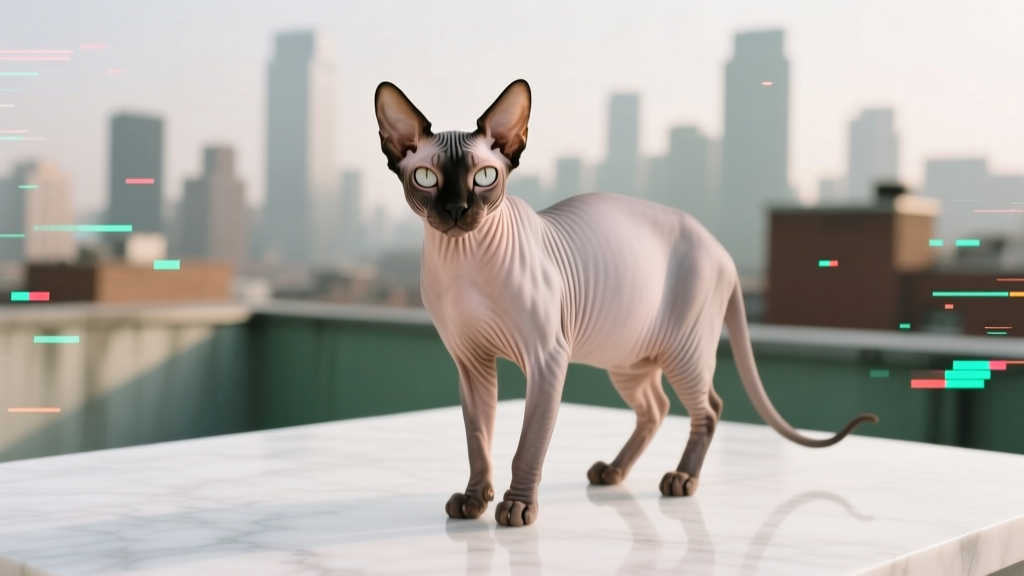
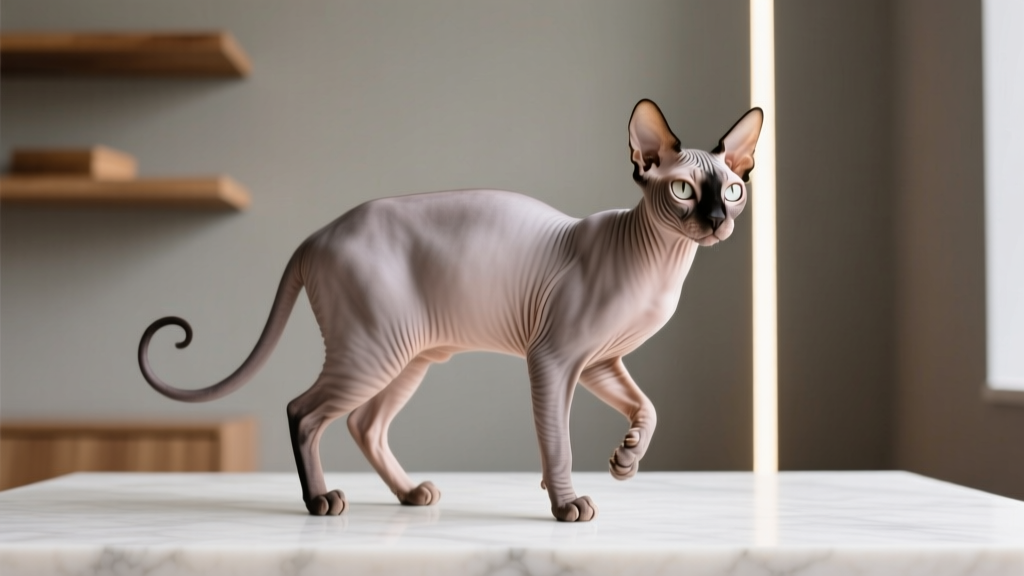
Peterbalds are unmistakable. They’re fine-boned but muscular, long-bodied without being fragile, and equipped with an alert, intelligent expression. While many people search for “Peterbald hairless cat,” the fun twist is that this breed can appear in several coat types—from truly bald to a short, velvety coat.
| Feature | Typical Peterbald Traits |
|---|---|
| Size | Medium |
| Weight | Usually 6–12 lbs (2.7–5.4 kg), males often larger |
| Body Type | Long, lean, elegant; fine-boned with firm muscle |
| Head | Wedge-shaped with a straight profile |
| Ears | Very large, wide at the base, set to continue the wedge |
| Eyes | Almond-shaped, expressive; color varies |
| Tail | Long, whip-like |
Coat Types: Not Always Fully Hairless
One of the most fascinating parts of the Peterbald cat breed is coat variety. Even within the same litter, kittens may mature into different coat expressions.
- Bald (Ultrabald): Appears hairless and smooth; may feel warm and slightly tacky to the touch.
- Chamois: Very short, soft fuzz—like peach skin.
- Velour: Slightly longer downy coat, often thinner on the body and a bit denser on points.
- Brush: Sparse, wiry or patchy coat; may be retained in varying degrees.
- Straight coat: A normal short coat (these cats are typically not shown as Peterbalds in some standards, but may appear in breeding lines depending on registry rules).
Colors and Patterns
Peterbalds can come in a wide range of colors and patterns, including solid, tabby, bicolor, and pointed patterns (thanks to their Oriental/Siamese influence). Because the coat can be minimal, colors may appear as skin pigmentation rather than obvious fur coloration—especially in bald or very lightly coated cats.
Distinctive Features
- Elegant “Oriental” silhouette: Long legs, refined paws, and a sleek profile.
- Big ears and sharp cheekbones: Creates a striking, alert look.
- Warm, touchable skin: Hairless types can feel like a cozy hot-water bottle with purrs.
- Expressive body language: They communicate with their whole body—tail flicks, shoulder wiggles, and inquisitive head tilts.
Personality and Temperament Traits
If you’re drawn to interactive breeds, the Peterbald is pure joy. These cats are typically affectionate, curious, and people-focused. Many Peterbald owners describe them as “velcro cats” because they love following their favorite humans from room to room.
- Highly social: Often greets visitors and investigates everything.
- Affectionate and cuddly: Loves warm laps, blankets, and bedtime snuggles.
- Playful and athletic: Enjoys climbing, chasing toys, and learning routines.
- Smart and trainable: Many will learn tricks, fetch, or harness walking with patient training.
- Talkative tendencies: Not always as vocal as a Siamese, but many are chatty and expressive.
Peterbalds generally don’t thrive on long stretches of solitude. If you work long hours away from home, consider a second cat (or a pet-friendly lifestyle with enrichment) to keep your Peterbald emotionally satisfied.
Health Considerations and Common Issues
Peterbalds are often robust when responsibly bred, but their unique coat and genetics come with a few considerations. Choosing an ethical breeder who prioritizes health, temperament, and genetic diversity is the best first step toward a healthy cat.
- Skin sensitivity: Hairless and lightly coated cats can be prone to irritation, acne/blackheads, and dryness or oil buildup.
- Temperature sensitivity: They can get chilled easily and may also sunburn if exposed to direct sunlight.
- Dental care needs: Like many breeds, they benefit from routine dental hygiene to reduce periodontal disease risk.
- General breed-related screening: Ask breeders about heart health screening practices and family history, and keep regular vet checkups.
A quick note about “hypoallergenic” searches: Peterbalds are often advertised as hypoallergenic because they have little or no fur. In reality, most allergies are triggered by proteins (like Fel d 1) found in saliva and skin secretions—not just fur. Some allergy sufferers do better with hairless cats, but there’s no guarantee.
Care Requirements (Grooming, Exercise, Diet)
Grooming and Skin Care
A Peterbald’s grooming routine is different from a fluffy cat’s—less brushing, more skin management.
- Bathing: Many hairless Peterbalds need periodic baths to remove oil buildup. Frequency varies—some do well with every 1–2 weeks; others need less. Your vet or breeder can help you tailor a routine.
- Wipe-downs: Gentle pet wipes can help between baths, especially in skin folds or areas prone to oil.
- Ear cleaning: Large ears can collect wax faster. Use a vet-approved ear cleaner as needed.
- Nail trimming: Keep nails neat; check around nail beds for buildup and clean gently.
- Warmth: Provide cozy bedding, heated cat pads (on safe, low settings), and sweaters if your cat tolerates them.
Exercise and Enrichment
Peterbalds are lively and need daily stimulation. Think vertical space, interactive play, and puzzles.
- Cat trees and wall shelves for climbing and perching
- Interactive wand toys to satisfy chase instincts
- Food puzzles and treat balls for mental workouts
- Clicker training for bonding and confidence
Diet and Nutrition
Many hairless or lightly coated cats seem to burn energy quickly because they’re working harder to stay warm. While not every Peterbald has a higher appetite, it’s common to see strong enthusiasm for mealtimes.
- Choose a high-quality, protein-forward diet: Support lean muscle and active lifestyles.
- Watch body condition: A sleek build is normal, but ribs shouldn’t feel sharp or overly prominent.
- Hydration matters: Wet food or a cat water fountain can help promote healthy hydration.
- Vet-guided portions: Because energy needs vary, portioning should be based on age, activity, and body condition score.
Compatibility with Families, Children, and Other Pets
Peterbalds tend to be wonderful companions for households that enjoy a highly interactive cat. They often bond deeply and prefer to be included in daily life—movie nights, laundry folding, and everything in between.
- Families with children: Typically great with gentle, respectful kids. Their skin can be more delicate than a coated cat’s, so teach children calm handling and no rough play.
- Other cats: Usually sociable and can thrive with friendly feline companions, especially if introduced properly.
- Dogs: Many Peterbalds do well with cat-savvy, calm dogs. Slow introductions and safe zones are key.
- Busy households: Often enjoys the company, but should have quiet resting areas and warm hideaways.
If you want a cat who behaves like part of the conversation (and sometimes tries to be the center of it), this breed fits beautifully.
Pros and Cons of Owning This Breed
| Pros | Cons |
|---|---|
| Exceptionally affectionate and people-oriented | Needs companionship; can become lonely if left alone often |
| Elegant, unique appearance (iconic hairless/velvety look) | Skin care and bathing may be needed more than with coated breeds |
| Playful, intelligent, often trainable | Can be mischievous and may get into everything without enrichment |
| Often does well with other pets | Sensitive to cold and sun; must be kept comfortable indoors |
| Low shedding (especially bald/velour types) | Not truly hypoallergenic; allergies can still be an issue |
FAQ: Peterbald Cats
Are Peterbald cats completely hairless?
Not always. The Peterbald breed can range from bald to lightly coated (chamois or velour) to brush coats, and sometimes even straight-coated cats appear in breeding lines. Many people searching “Peterbald hairless cat” are surprised to learn coat type can vary widely.
Do Peterbalds need baths?
Many do, especially the bald and very lightly coated Peterbalds. Their skin can produce oils that would normally be absorbed by fur. Some need baths every week or two, while others do fine with less frequent bathing plus gentle wipe-downs.
Are Peterbald cats hypoallergenic?
No cat breed is guaranteed hypoallergenic. Peterbalds may work better for some allergy sufferers because there’s less fur to trap dander, but allergens come from proteins in saliva and skin secretions. If allergies are a concern, spend time with the breed before committing.
What is the difference between a Peterbald and a Sphynx?
Both are hairless-associated breeds, but Peterbalds are generally more “Oriental” in type—longer, leaner lines, a wedge head, and very large ears. Genetically, Peterbald hairlessness traces back to the Donskoy line rather than the Sphynx.
How long do Peterbald cats live?
With good breeding, indoor living, and regular veterinary care, many Peterbalds live into their teens. Lifespan varies by individual health, diet, and overall care.
Do Peterbald cats get cold easily?
Yes—especially bald or very lightly coated cats. Warm bedding, draft-free rooms, and cozy resting places make a big difference. Many Peterbalds happily burrow under blankets or wear soft sweaters (as long as the fabric doesn’t irritate their skin).
A Warm Goodbye (for Now)
The Peterbald is the kind of cat that turns heads and captures hearts—Russian elegance wrapped in a warm, affectionate little body. If you want a companion who loves closeness, thrives on play and conversation, and brings a truly unique look to your home, this breed can be an absolute treasure. Give them warmth, company, and a bit of skincare support, and they’ll repay you with devotion that feels almost dog-like—only sleeker.
Curious about other rare and wonderful cat breeds? Explore more breed profiles on catloversbase.com and find the perfect feline match for your life.