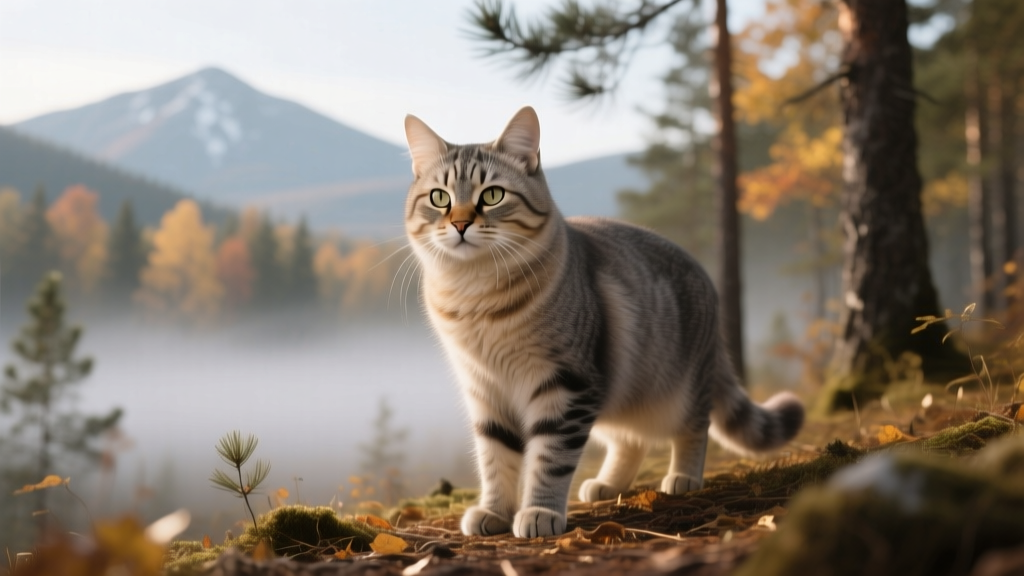
Ussuri: Russian Far East Domestic Breed
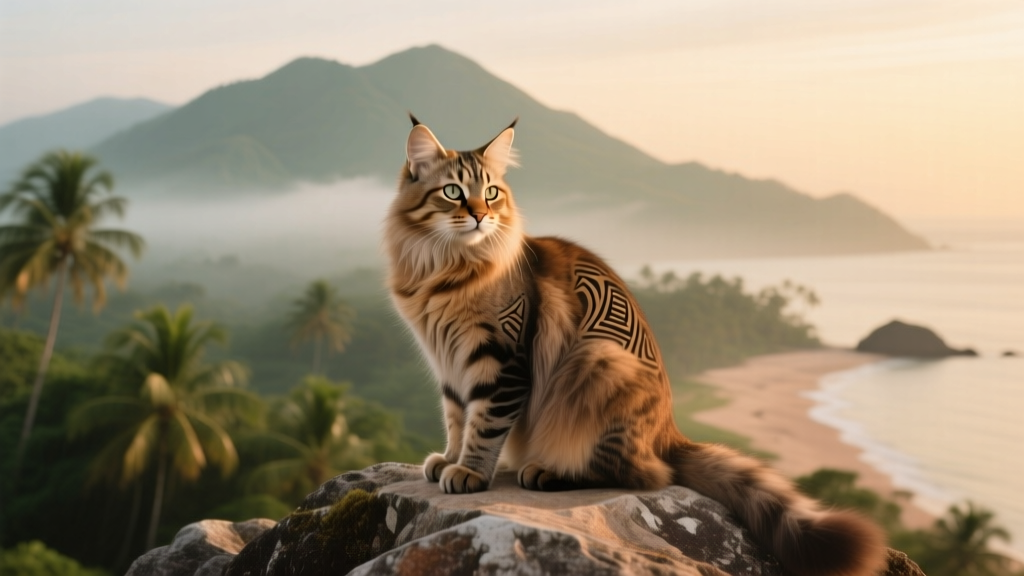
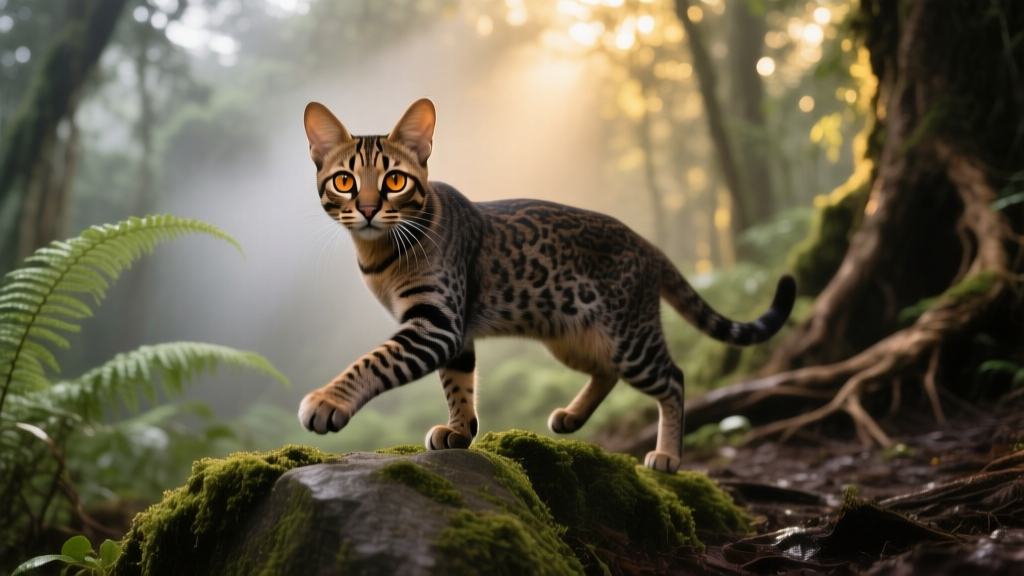
If you love the idea of a “wild-look” cat with a cozy, home-loving heart, the Ussuri is going to steal your attention. This rare Russian Far East domestic breed is often described as having a natural, forest-cat vibe—athletic lines, a dense coat built for harsh seasons, and a watchful expression that makes you feel like you’re sharing your home with a tiny, dignified guardian.
At the same time, the Ussuri isn’t a gimmicky designer breed. It’s tied to a specific region and a specific story: cats shaped by the climate and landscape of the Russian Far East, with a reputation for resilience and keen instincts. For cat enthusiasts and breed researchers, the Ussuri is fascinating. For potential owners, it’s a reminder that the most memorable cats aren’t always the easiest to find—but they can be deeply rewarding companions.
Because the Ussuri is uncommon outside its homeland and recognition can vary by registry, you’ll see some differences in how people describe it. What stays consistent is the breed’s “natural” identity: a robust domestic cat type associated with the Ussuri region and surrounding areas, prized for its hardy body, seasonal coat, and outdoorsy elegance.
Breed History and Origin
The Ussuri takes its name from the Ussuri River region in the Russian Far East, a landscape of taiga forests, cold winters, and dramatic seasonal shifts. Local domestic cats in this area historically had to be tough: able to cope with low temperatures, variable food availability, and a rugged environment.
Unlike many modern pedigreed cats that were created through deliberate crosses and show-focused selection, the Ussuri is most often described as a naturally formed domestic type. In Russian breed discussions, it’s sometimes framed as developing from regional cats that adapted over generations to the Far Eastern climate. Some accounts also mention the influence of wild forest cats in the broader region; however, clear, universally accepted documentation of specific wild outcrossing is limited, and claims can be hard to verify across sources.
What’s clear is this: the Ussuri’s identity is strongly tied to its geography. When people talk about the Ussuri, they’re usually talking about a cat that “looks like it belongs” in a northern forest—dense coat, substantial body, and a self-possessed demeanor.
| Quick Snapshot | Ussuri (Russian Far East Domestic Breed) |
|---|---|
| Origin | Russian Far East (Ussuri region) |
| Type | Natural regional domestic breed/type (rare) |
| Coat | Dense, often double-coated; seasonal changes common |
| Build | Athletic, sturdy, medium-to-large |
| Recognition | Varies by registry and region; uncommon internationally |
Physical Characteristics
The Ussuri is all about “working-cat” structure—built to move, climb, and endure. Think solid muscle, balanced proportions, and a coat designed to handle cold. While individuals can vary, these are the traits most commonly associated with the breed.
Size and Weight
- Overall size: Medium to large
- Weight range (typical):
- Males: roughly 10–16 lb (4.5–7.3 kg)
- Females: roughly 8–13 lb (3.6–5.9 kg)
- Build: Sturdy, athletic, with a strong chest and powerful hindquarters
Coat Type and Texture
Ussuris are commonly described as having a thick, protective coat. Many have a noticeable seasonal cycle: heavier, plush winter coat and a lighter summer coat.
- Texture: Dense and resilient; often a double coat
- Length: Short to semi-long depending on the line; the “northern” look is the theme
- Seasonal shedding: Typically significant during coat blow seasons (spring/fall)
Colors and Patterns
Because the Ussuri is rare and not standardized globally, coat colors and patterns may vary. Many enthusiasts associate the breed with natural, forest-friendly patterns that offer camouflage.
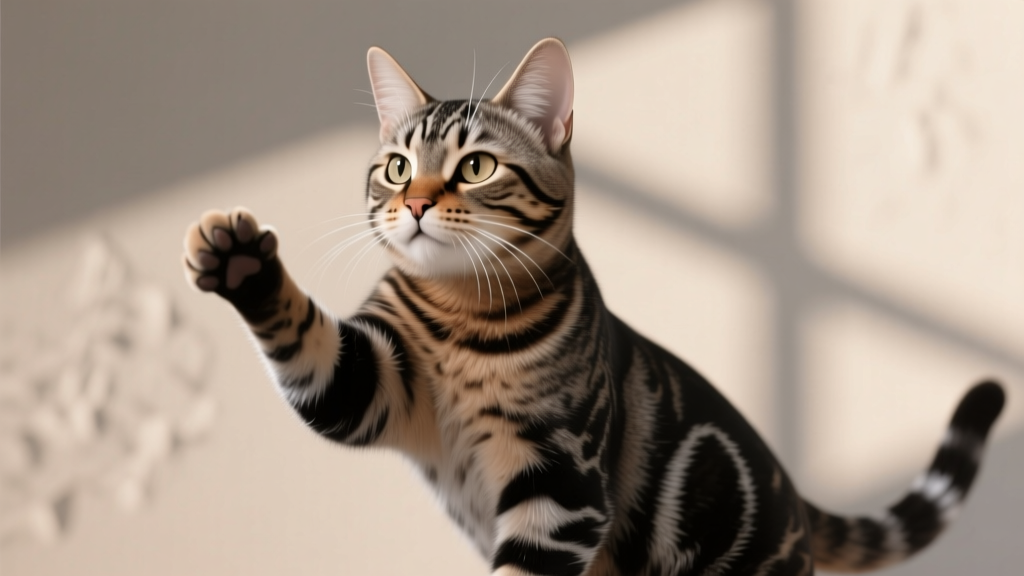
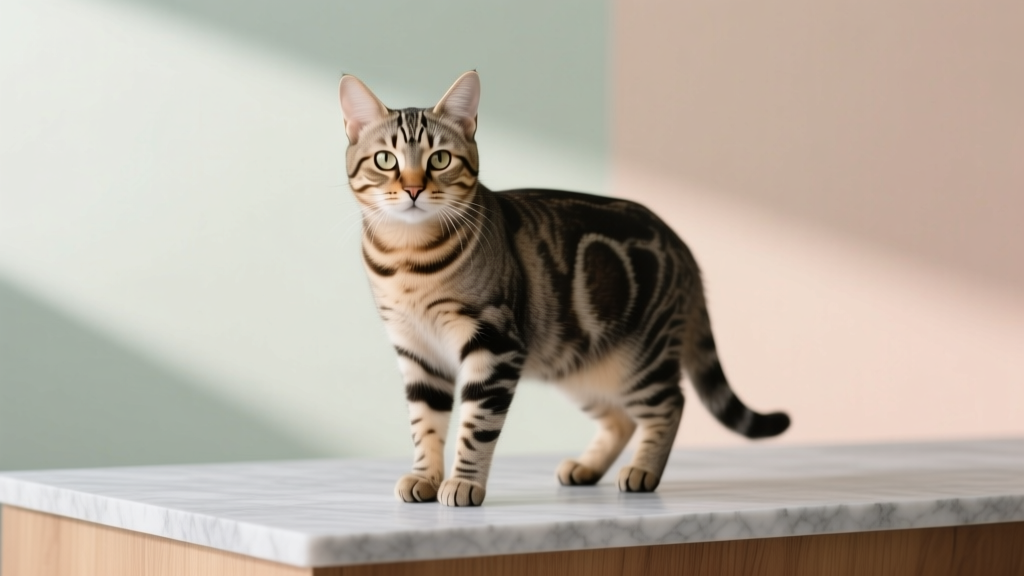
- Commonly seen: Tabby patterns (mackerel, classic, spotted), brown/black-based tones
- Possible: Other natural domestic colors depending on breeding background
Distinctive Features
- Head: Moderately broad with a confident, alert expression
- Eyes: Often described as expressive and attentive; color can vary
- Ears: Medium to large, upright; may have a slightly “lynx-ish” vibe in some cats (ear furnishings may appear in winter)
- Tail: Strong, well-furred; tends to look fuller in winter coat
Personality and Temperament Traits
Ussuri fans often talk about a cat that’s clever, observant, and intensely “present.” This is the kind of companion who likes to know what’s happening in the home—who came in, what you’re opening, and why you’re standing in the kitchen without providing snacks.
Many Ussuris (and Ussuri-type cats) are known for strong instincts. That can translate into impressive play skills, a desire to climb, and a deep fascination with windows, balconies, and anything that looks like “territory.”
- Intelligent and problem-solving: Puzzle toys and food games are usually a hit.
- Independent but loyal: Often affectionate on their own terms; may follow you from room to room like a quiet shadow.
- Watchful and confident: Can be cautious with strangers at first, warming up with respectful introductions.
- High prey drive: Expect enthusiastic chasing, pouncing, and stalking games.
- Play style: Athletic bursts; many enjoy climbing structures and vertical space.
If you love a cat with a “thinking face” and a slightly wild aesthetic, the Ussuri temperament tends to match the look: capable, curious, and very engaged with its environment.
Health Considerations and Common Issues
Because the Ussuri is rare and not as widely studied as major global breeds, there isn’t a long, universally agreed list of breed-specific genetic issues. Natural, regionally developed cats are often praised for overall hardiness, but any individual cat can face common feline health problems—especially if breeding practices are inconsistent or screening is limited.
Here are health considerations to keep on your radar with Ussuri cats and similar robust, athletic domestic breeds:
- Dental disease: Tartar buildup and gum inflammation are common in many cats. Regular dental care matters.
- Obesity (if under-stimulated): Even athletic cats can gain weight quickly indoors without enough play and portion control.
- Parasites (if outdoor access): Fleas, ticks, and intestinal parasites are risks for cats that spend time outside.
- Urinary issues: Encourage hydration with wet food, water fountains, and multiple water stations.
- Joint strain: Active climbers can be rough on themselves; keep nails trimmed and provide safe landing zones.
Smart owner move: Ask breeders or rescues about veterinary records, any known health patterns in the line, vaccination status, parasite prevention, and whether the cat has been screened for common infectious diseases (like FeLV/FIV), especially if it came from a multi-cat environment.
Care Requirements (Grooming, Exercise, Diet)
Grooming
That beautiful dense coat comes with a bit of maintenance—especially during seasonal shedding.
- Brushing: 1–2 times weekly most of the year; during spring/fall coat blows, 3–5 times weekly can help prevent mats and reduce fur tumbleweeds.
- Tools: A slicker brush plus a metal comb works well for many dense coats; be gentle around the belly and armpits.
- Nails: Trim every 2–4 weeks, especially for indoor cats.
- Ears and eyes: Check weekly; wipe only if needed with vet-approved products.
Exercise and Enrichment
An Ussuri’s athletic nature shines with the right environment. They often thrive when they can climb, survey, and “hunt” toys.
- Daily interactive play: 15–30 minutes (split into sessions) using wand toys, flirt poles, or fast-moving prey-mimic toys.
- Vertical space: Tall cat trees, wall shelves, or a secure window perch are cat happiness multipliers.
- Hunting games: Hide treats, use puzzle feeders, and rotate toys to keep things interesting.
- Outdoor time (optional): Consider leash training or a secure catio. Given their instincts, unsupervised roaming can be risky for wildlife and for the cat.
Diet
Ussuris do best with a high-quality, protein-forward diet that supports lean muscle and an active lifestyle.
- Protein focus: Look for meat-first recipes; cats are obligate carnivores.
- Wet food benefits: Helps with hydration and urinary tract support.
- Portion control: Measure meals and adjust for activity level, age, and body condition.
- Treat strategy: Keep treats under 10% of daily calories; use them for training and enrichment.
Compatibility with Families, Children, and Other Pets
The Ussuri can be a wonderful family companion when its needs are respected: space, play, routine, and gentle handling. Because many are confident but not overly clingy, they often do best with people who appreciate a cat’s boundaries and enjoy interactive play.
- With children: Often good with cat-savvy kids who can read signals and avoid rough handling. Teach kids to let the cat initiate contact.
- With dogs: Possible with slow introductions and a dog that respects cats. Provide vertical escape routes and separate feeding areas.
- With other cats: Many do well, especially if introduced properly. High-energy play styles can overwhelm timid cats, so match temperaments when possible.
- With small pets: Use caution. A strong prey drive can make cohabitation with birds, rodents, or reptiles risky without strict separation.
If you want a social butterfly that greets every stranger like a long-lost best friend, you may find the Ussuri a bit more reserved. If you love earning a cat’s trust and watching a relationship deepen over time, this breed’s steady loyalty can feel incredibly special.
Pros and Cons of Owning This Breed
| Pros | Cons |
|---|---|
| Striking “forest cat” look with a natural, rugged charm | Rare and hard to find; limited standardized information in some regions |
| Athletic, smart, and fun to play with | Needs daily enrichment; boredom can lead to mischief |
| Often hardy and resilient when well-bred and well-cared for | Dense coat can shed heavily during seasonal changes |
| Loyal companion with an observant, “involved” personality | May be cautious with strangers; not always instantly outgoing |
| Great fit for people who enjoy training, puzzle toys, and cat agility-style play | Strong prey drive may complicate homes with small pets |
FAQ: Ussuri Cat Breed
Is the Ussuri a wild cat hybrid?
The Ussuri is generally described as a natural domestic breed/type from the Russian Far East. Some sources mention possible historical influence from wild forest cats in the region, but consistent, verifiable documentation of deliberate hybridization isn’t universally available. If you’re considering a specific kitten, focus on the breeder’s paperwork, lineage claims, and the cat’s temperament rather than rumors.
How rare is the Ussuri cat?
Very rare outside of its region of origin. In many countries, you may not find established Ussuri breeding programs at all. You’re more likely to encounter Ussuri-type cats through specialized breeders or regional cat communities.
Do Ussuri cats shed a lot?
They can, especially during seasonal coat changes. Regular brushing makes a big difference, and many owners plan for heavier grooming in spring and fall.
Are Ussuri cats good indoor cats?
Yes—if you provide enough enrichment. A tall cat tree, interactive play, puzzle feeders, and window perches help satisfy their athletic and curious nature. Some also enjoy harness walks or a secure catio.
What kind of personality does an Ussuri have?
Often intelligent, alert, and confident, with a loyal streak. Many are affectionate with their chosen people but may be reserved with strangers until trust is earned.
How much does an Ussuri cat cost?
Prices vary widely due to rarity, location, and availability. If you find Ussuri kittens advertised, verify the source carefully, ask for veterinary records, and confirm what registry (if any) recognizes the breeder’s lines.
Warm Wrap-Up
The Ussuri is one of those breeds that feels like a secret shared among devoted cat people: a Russian Far East domestic cat with a rugged silhouette, a plush seasonal coat, and a bright, watchful mind. For the right home—one that enjoys interactive play, respects a cat’s independence, and can keep an intelligent hunter happily occupied—the Ussuri can be a deeply rewarding companion.
If you’re exploring rare breeds or simply love learning about cats from every corner of the world, keep that curiosity going. Visit catloversbase.com to explore more breed profiles and find the feline that fits your life and your heart.