Raas Cat: Indonesian Island Exclusive
There’s something irresistibly romantic about a cat breed that comes from a single, small island—especially when that island sits in the warm blue waters of Indonesia. The Raas cat (often written as Kucing Raas) is exactly that: a rare, locally treasured cat associated with Raas Island in the Madura archipelago of East Java. While many cat lovers chase well-known pedigrees from Europe or the U.S., the Raas cat quietly holds its own charm—rooted in place, tradition, and a look you don’t forget.
If you’re a breed researcher, an adventurous potential cat owner, or simply a cat enthusiast who loves discovering “hidden gem” breeds, the Raas cat is fascinating. This isn’t a mass-produced designer cat. It’s a natural island cat shaped by geography, local preferences, and generations of everyday life alongside people. That makes learning about the Raas cat feel like being let in on a secret—one with whiskers.
Because the Raas cat is uncommon outside Indonesia, information can be scattered. Below you’ll find a detailed, cat-lover-friendly guide to the breed’s history, appearance, temperament, care needs, and what it’s like to live with one.
Breed History and Origin
The Raas cat originates from Raas Island, a small island community linked culturally and geographically to Madura (near East Java, Indonesia). Island environments often shape animals in unique ways—limited land area, a smaller gene pool, and local human preferences can lead to distinct traits becoming common over time.
Unlike many internationally recognized pedigreed breeds, the Raas cat is best described as a regional landrace—a naturally occurring type of domestic cat that became consistent in appearance in a specific location. Local communities have long valued these cats, and the Raas cat has become known for its signature look and “island cat” hardiness.
- Origin: Raas Island, Madura Islands, East Java, Indonesia
- Breed type: Natural/landrace (regional domestic type)
- Rarity: Rare outside Indonesia; limited international breeding
- Recognition: Not widely recognized by major global cat registries; most knowledge comes from regional documentation and fanciers
If you’re researching the Raas cat as a formal breed, keep in mind that “breed standards” may vary depending on local and organizational descriptions. What remains consistent is its association with Raas Island and its distinctive, often striking coat patterning.
Physical Characteristics
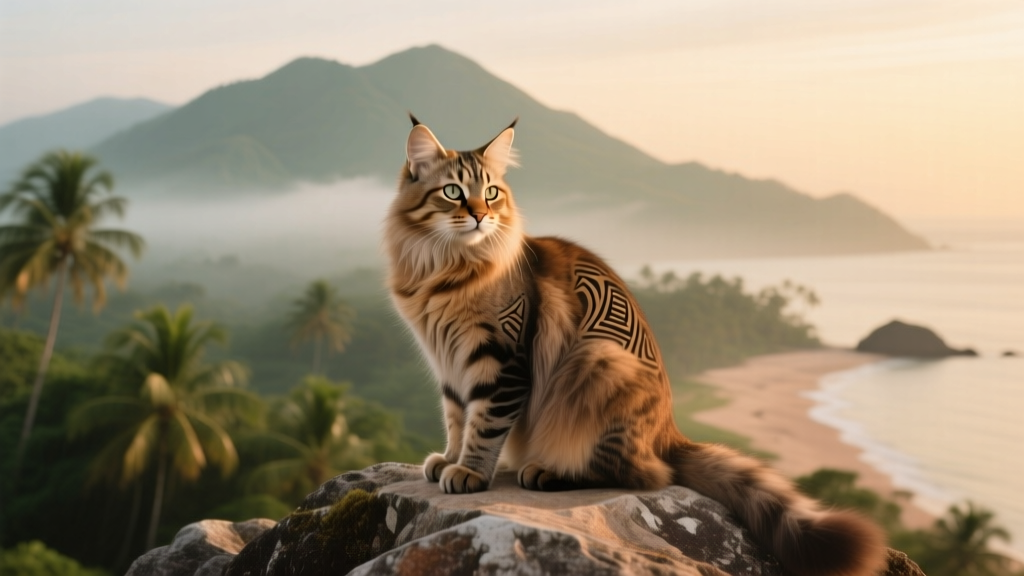
The Raas cat is typically a medium-sized domestic cat with a sturdy, practical build—built for everyday island life rather than exaggerated show features. Many fans recognize the Raas cat by its short coat and contrasting coloration, which can look bold and clean.
| Trait | Typical Raas Cat Description |
|---|---|
| Size | Medium |
| Weight | Approx. 3–5 kg (6.6–11 lbs), with males often heavier |
| Body | Athletic, balanced, practical build; not overly cobby or ultra-sleek |
| Coat | Short, close-lying, easy-care coat |
| Colors/Patterns | Commonly noted for contrasting bicolor looks; pattern descriptions can vary locally |
| Distinctive features | Clean coat contrast and an alert, expressive face; overall “neat” look |
Coat, Colors, and Markings
When people talk about “Raas cat markings,” they’re often referring to a high-contrast coat that can read as bold and graphic at a glance. Specific pattern terminology may differ depending on who is describing the cats (local owners vs. international fanciers), but the overall impression is a tidy short coat with clear color separation.
- Coat length: Short
- Coat texture: Smooth, low-maintenance
- Overall look: Crisp contrast; striking in photos
Because the Raas cat is a local landrace type rather than a globally standardized pedigree, you may see natural variation in color and pattern while still hearing “Raas cat” used as a regional identifier.
Personality and Temperament Traits
Island cats often develop a reputation for being smart, adaptable, and people-aware. The Raas cat is commonly described as an affectionate companion that still keeps a healthy dose of independence—very “cat,” in the best way.
While individual personality always depends on socialization and environment, many Raas cats are reported to be:
- Curious and alert: They like to know what’s happening in their home territory.
- People-oriented (with boundaries): Friendly with their family, but not always clingy.
- Playful hunters: Quick reflexes and a strong interest in toys that mimic prey.
- Adaptable: Often settle into routine well if provided consistent care and enrichment.
If you love a cat who will share your space, supervise your activities, and still maintain a confident independent streak, the Raas cat’s temperament is a great match to explore.
Health Considerations and Common Issues
Because the Raas cat is a naturally occurring island cat type rather than a heavily line-bred pedigree, many enthusiasts associate it with overall robustness. That said, any cat—landrace or pedigree—can face health challenges, and island populations can carry unique risks if genetic diversity becomes narrow.
Common health considerations for Raas cats are generally similar to other domestic shorthaired cats:
- Dental disease: Tartar buildup and gingivitis can affect any breed. Regular dental care helps.
- Parasites: Fleas, worms, and mites are concerns in warm climates; consistent prevention is key.
- Obesity: If indoor life is sedentary and meals are oversized, weight can creep up.
- Skin issues: Flea allergy dermatitis or minor skin irritations can occur, especially without prevention.
The best approach is classic cat wellness: annual veterinary exams (or twice yearly for seniors), parasite prevention, vaccinations per your vet’s advice, and a diet that supports lean muscle.
Care Requirements (Grooming, Exercise, Diet)
Grooming
Good news for busy cat parents: the Raas cat’s short coat is typically easy to maintain.
- Brushing: 1–2 times per week is usually enough to remove loose hair and keep the coat glossy.
- Nail trimming: Every 2–4 weeks, depending on growth and scratching habits.
- Ear checks: Weekly quick look; clean only if needed and as your vet recommends.
- Dental care: Ideally brushing several times a week (daily is gold-standard), plus dental-friendly treats approved by your vet.
Exercise and Enrichment
Raas cats tend to thrive with interactive play. Think “small athlete with strong opinions.” Keep it fun and varied:
- Daily play sessions: 10–20 minutes, 1–2 times a day (wand toys, chase games).
- Climbing space: Cat trees, shelves, or window perches.
- Puzzle feeders: Great for mental stimulation and slowing fast eaters.
- Safe outdoor time: If possible, use a secure catio or harness training—never unsupervised roaming.
Diet
A Raas cat does best on the same foundation that helps most cats flourish: high-quality, high-protein nutrition with appropriate portions.
- Protein-first: Look for animal protein as the first ingredient.
- Wet food support: Wet food can help hydration (many cats don’t drink enough).
- Measured portions: Especially for indoor cats; adjust based on body condition, not just label guidelines.
- Fresh water always: Consider a fountain if your cat loves running water.
If you’re adopting a Raas cat from a local context where diet differs, transition foods gradually over 7–10 days to avoid tummy upset.
Compatibility with Families, Children, and Other Pets
The Raas cat can be a wonderful companion in many home setups, especially when introductions are handled thoughtfully.
- Families: Often a great fit for families who enjoy interacting with their cat and providing playtime.
- Children: Can do well with respectful kids who understand gentle handling and boundaries.
- Dogs: Potentially compatible with calm, cat-savvy dogs after slow introductions.
- Other cats: Many cats adapt well with a proper gradual introduction and enough resources (litter boxes, food stations, resting areas).
Any rare or region-specific cat—like the Indonesian Raas cat—benefits hugely from early socialization. A well-socialized cat is more likely to handle visitors, noise, and new routines with confidence.
Pros and Cons of Owning a Raas Cat
| Pros | Cons |
|---|---|
| Rare and culturally unique Indonesian island cat with a distinctive look | Hard to find outside Indonesia; availability can be extremely limited |
| Short, easy-care coat | Because it’s not broadly standardized, appearance and temperament can vary |
| Often active, curious, and engaging | Needs daily play and enrichment to avoid boredom |
| Can be affectionate and people-oriented without being overly needy | May be cautious with new situations if not well socialized |
| Generally similar care needs to other domestic shorthaired cats | Reliable breed-specific health data is limited compared to well-studied pedigrees |
FAQ: Raas Cat
Is the Raas cat a recognized pedigree breed?
The Raas cat is most often described as a regional landrace from Raas Island rather than a globally standardized pedigree recognized by major international registries. Documentation and standards can vary depending on local cat organizations and fanciers.
How rare is the Raas cat outside Indonesia?
Very rare. The Raas cat is strongly associated with its home region, and you’re unlikely to find established breeding programs outside Indonesia. If you see a “Raas cat” listed internationally, ask for clear provenance and details.
What does a Raas cat look like?
Most descriptions highlight a medium build, short coat, and high-contrast coloration. Because it’s a natural local type, there can be variation while still fitting the general Raas look.
Are Raas cats good family pets?
They can be, especially for families who enjoy active play and provide a cat-friendly home setup (climbing spaces, toys, predictable routines). As with any cat, early socialization makes a big difference.
Does the Raas cat need special grooming?
No special grooming is typically required beyond standard shorthaired cat care: weekly brushing, nail trims, dental support, and basic ear/coat checks.
Where can I adopt or buy a Raas cat?
Most Raas cats are found in Indonesia, particularly in or connected to the Raas/Madura region. If you’re seriously researching acquisition, focus on ethical sourcing, welfare-first practices, and prioritize reputable local guidance. For many international cat lovers, supporting local rescues and learning about rare breeds through research may be the most practical path.
Warm Signoff
The Raas cat is a reminder that the world of cats is bigger than the usual breed lists. From its Indonesian island roots to its striking short coat and lively, companionable nature, this is the kind of cat that makes breed lovers lean in a little closer and ask, “Tell me more.” If you ever have the chance to meet a Raas cat—or learn from people who live alongside them—you’ll understand why this island-exclusive feline earns such affectionate admiration.
Curious about more rare and wonderful cats from around the world? Explore more breed profiles on catloversbase.com and keep discovering your next feline favorite.