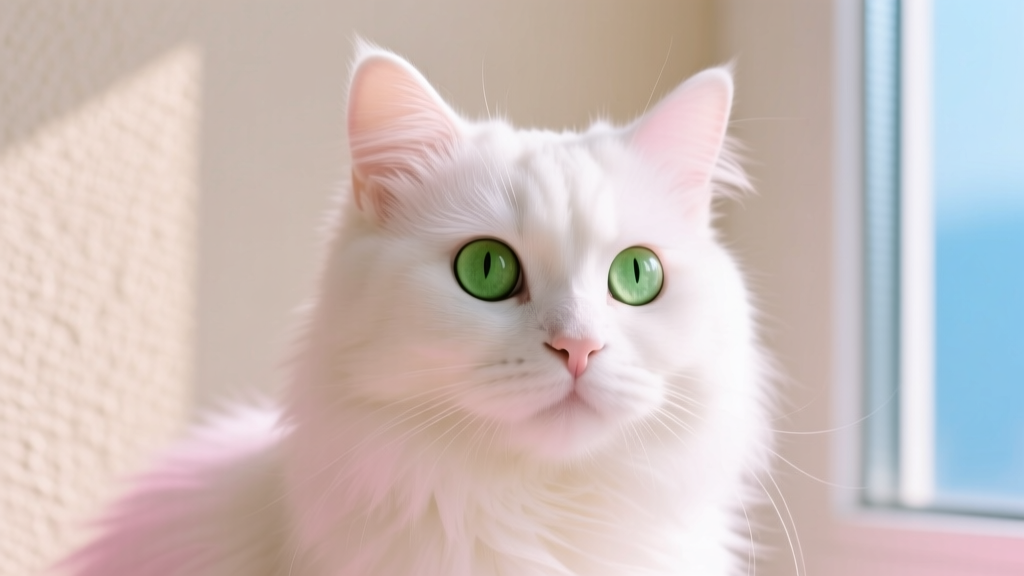
Scottish Fold Cats: Care, Health, and Personality
Origin and Distinctive Features
The Scottish Fold originated from a single barn cat named Susie, found in Perthshire, Scotland, in 1961. Her distinctive folded ears resulted from a spontaneous cartilage mutation that all modern Scottish Folds inherit.
The Fold Mutation Explained
The folded ear results from incomplete cartilage development. Kittens are born with straight ears; folding begins around 3-4 weeks of age. Not all kittens in a litter develop folds.
Personality and Temperament
Scottish Folds are known for their sweet, placid dispositions. They bond closely with their humans, often following them room to room. They adapt well to apartment living and tolerate children and other pets gracefully.
Health Considerations
Osteochondrodysplasia is the serious concern. The same cartilage mutation causing ear folds affects joint cartilage throughout the body. Breeding two folded-ear cats together produces kittens with severe skeletal deformities.
Grooming and Daily Care
Both shorthair and longhair varieties exist. Shorthairs need weekly brushing; longhairs require twice-weekly grooming.
Ear care is critical. Folded ears trap wax and debris. Clean weekly with vet-approved ear cleaner.
Nutrition
Scottish Folds tend toward weight gain, which exacerbates joint problems. Feed measured portions of high-protein food and maintain a lean body condition.